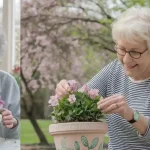
Staying active and happy as a solo senior is possible when you plan meaningful daily activities.
Things for bored seniors to do alone include brain-boosting puzzles, creative hobbies, gentle exercise, gardening, and safe tech-based connections, all proven to improve mood, sharpen memory, and support independence.
Quick Rundown: Things for Bored Seniors to Do Alone
- Boost Brainpower: Daily puzzles, audiobooks, journaling, or memoir writing sharpen memory and focus.
- Create With Purpose: Knitting, painting, baking, or scrapbooking reduce stress and add joy.
- Move Gently: Chair yoga, sit-to-stand practice, and simple balance drills build strength safely.
- Bring Nature Inside: Gardening, container plants, and birdwatching offer calm and meaning.
- Stay Connected With Tech: Virtual tours, online classes, or pen pal programs fight loneliness.
If you’ve ever felt the drag of long, empty days, you know how boredom can chip away at joy and energy.
The good news is, even one small, intentional activity can change the rhythm of your day. With my background in senior safety and caregiver support, I’ve gathered practical, low-cost ideas you can rely on to feel engaged and confident living alone.
Let’s begin by looking at why engagement matters for solo agers, and how small daily habits protect your mind, body, and spirit.

Why engagement matters for solo agers
Staying engaged isn’t just about passing time. Research shows that social isolation and long periods of inactivity can raise the risk of cognitive decline, depression, and even heart disease.
Having a mix of cognitive engagement activities, light exercise, and creative hobbies supports mental clarity, balance, and emotional well-being.
Think of it as giving your mind, body, and spirit a daily tune-up.
Brain-boosting activities to do on your own
Your brain is a muscle that benefits from daily exercise.
- Brain-boosting puzzles – Crossword puzzles, Jigsaw puzzles, Sudoku, and logic games improve problem-solving and memory.
- Reading or audiobooks – Large-print books or free audiobook apps like Libby make reading more accessible.
- Cognitive snack activities – Memorize a short grocery list or a series of words, then recall them later in the day.
- Journaling gratitude practice – Write three things you are thankful for and one memory you want to preserve.
Personal tip: My 95 father-in-law began writing one page of his memoir each day. It helped to keep his memory sharp and gave our family stories we hadn’t heard before.
❓ How can I stay motivated to keep doing activities when I’m alone?
💬 Start small and focus on one activity at a time. Set a daily intention, like “I’ll read for 10 minutes” or “I’ll water my plants.” Track your progress in a notebook or on a calendar so you can see your consistency. If you struggle with motivation, schedule a check-in call with a friend to share what you did each day, it adds gentle accountability.
Creative therapeutic projects
❓ Can creative hobbies really help fight boredom?
💬 Yes. Arts and crafts therapy is proven to lower stress, boost confidence, and create a sense of purpose.
Try:
- Knitting or crocheting – Keeps hands nimble and produces something useful.
- Painting or coloring – Focus on bold colors for a cheerful mood.
- Scrapbook memory projects – Print favorite photos, add captions, and arrange them into themed pages.
- Small-batch baking – Make half recipes to avoid waste and freeze extras for later.
❓ What are some budget-friendly ways to try new hobbies at home?
💬 Many public libraries offer free access to craft kits, puzzles, or online classes. You can also join local Buy Nothing groups to trade supplies or borrow equipment. Websites like YouTube, Skillshare free trials, and senior center virtual programs can give you guided tutorials at no cost.
Gentle movement for aging in place
❓What if I have mobility issues or joint pain?
💬 Movement is still possible and essential. Gentle activities can improve strength, flexibility, and balance while reducing fall risk.
Ideas:
- Gentle chair yoga – Ten minutes daily can improve posture and reduce stiffness.
- Sit-to-stand practice – From a sturdy chair, stand and sit 5–10 times.
- One-song dance – Put on music you love and move any way you can.
- Heel-to-toe balance – Walk heel to toe for 10 steps while holding a countertop for stability.
❓ Are there safe exercise options for seniors with balance problems?
💬 Yes. Focus on seated workouts like gentle chair yoga, resistance band exercises, or seated Tai Chi. These improve flexibility, strength, and circulation while reducing fall risk. Always use a sturdy chair without wheels, and keep water nearby to stay hydrated.
Gardening for any ability
Gardening is both calming and rewarding.
- Raised-bed gardening – Beds at 24–36 inches high reduce bending.
- Container gardening – Grow herbs or vegetables in pots you can place anywhere.
- Indoor planting projects – Low-maintenance plants like pothos, snake plants, or peace lilies improve air quality.
- Birdwatching from window – A feeder outside your window can bring daily joy and spark curiosity.
Using technology for connection and enrichment
❓ I’m not tech-savvy. Can I still benefit?
💬 Absolutely. Senior-friendly tech can make activities easier and more engaging.
- Virtual museum tours – Explore art, history, and nature from your living room.
- Immersive learning online – Join free or low-cost virtual classes on topics you enjoy.
- Voice assistant prompts – Use Alexa or Google to set reminders, play music, or get daily trivia.
- Digital photo frame slideshow – Rotate pictures of family and friends for a daily connection boost.
❓ How can I meet new people without leaving home?
💬 Join virtual book clubs, peer storytelling groups, or Village-style networks that offer online events. Many senior centers now host video chat socials, and some programs match you with a “call buddy” for weekly conversations. Even pen pal programs can spark meaningful new friendships.
Finding purpose without leaving home
Purpose adds structure and meaning to your day.
- Remote volunteering – Help with transcription, tutoring, or reading programs online.
- Plan future adventures – Research trips or day outings to look forward to.
- Letter writing – Send notes to friends, family, or community members.
Personal tip: During one winter, I wrote weekly letters to my nieces. They still keep those envelopes in a shoebox.
Join peer storytelling groups
Storytelling is a powerful way to connect and reflect.
- Join a Life Story Club or similar group to share memories and hear others’ stories.
- Many programs archive recordings so family can enjoy them for years to come.
- Even one session a month can lift your mood and reduce feelings of loneliness.
❓ What should I do if I feel lonely even after adding activities?
💬 Activities help, but deep connection often comes from sharing experiences with others. Consider volunteering remotely, joining an online support group, or reaching out to old friends by phone or video. If feelings of loneliness or sadness persist, talk with your doctor or a mental health counselor, they can connect you with resources to improve your emotional well-being.
Explore community networks for solo agers
Living alone doesn’t mean being isolated. Consider:
- Village-style networks – Local membership groups offering rides, home help, and social events while you live in your own home.
- Cohousing communities – Private living spaces with shared areas for meals, activities, and companionship.
These can provide safety, friendship, and practical support while letting you maintain independence.
Planning ahead for safe independence
Being prepared makes it easier to enjoy daily life.
- Have advance directives and a durable power of attorney in place.
- Keep a list of emergency contacts in a visible spot.
- Join programs that offer daily or weekly check-ins for members.
Keeping your activities safe
- Use medical alert services with fall detection.
- Choose pill organizers or automatic dispensers for medication.
- Arrange a check-in phone routine with a friend, neighbor, or family member.
7-day boredom-buster plan
- Day 1: Brain-boosting puzzle + 10 minutes of gentle chair yoga
- Day 2: Container gardening + journal a childhood memory
- Day 3: Virtual museum tour + one-song dance
- Day 4: Knit or crochet for 20 minutes + birdwatching from window
- Day 5: Read for 15 minutes + sit-to-stand practice
- Day 6: Bake small-batch muffins + heel-to-toe balance
- Day 7: Plan a future adventure + write a letter
Final encouragement
Boredom can feel heavy, but the cure is often one small action. Choose an activity from this list, try it for five minutes, and see how it changes your day.
As a solo ager, you have countless ways to keep your mind sharp, your body active, and your spirit lifted, all from the comfort of your own home.