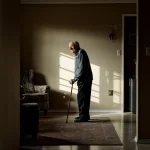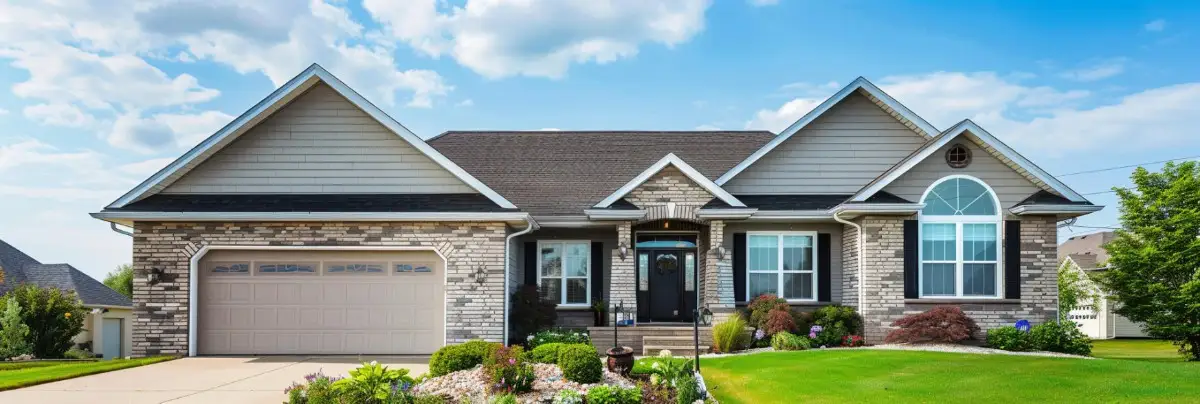
Aging in place is a goal for many older adults, but ensuring home safety is crucial.
This guide provides practical, room-by-room tips to make homes safer for seniors, helping them maintain independence and peace of mind.
General Home Safety Tips
Improve Lighting
Believe it or not, lighting is one of the most neglected aspects of aging in place.
I personally recommend can lighting in the ceiling which can cover the entire room and avoids loose wires that can be tripped over.
Ensure that all hallways, stairs, and paths are well-lit.
Use motion detection night lights throughout the house to guide seniors during nighttime trips.
Remove Trip Hazards
Clear walkways of clutter, such as books, shoes, and especially electrical cords.
Remove area rugs, or replace them with vinyl mats. (I personally love the ones at Vmatathome.com because they have beautiful designs, can custom create one to your size and they are non-slip.)
If you must have rugs, then at least secure them with double-sided tape.
Install Handrails
Handrails provide support and stability.
Install them on both sides of stairs and in hallways. Ensure they are securely fastened to the wall.
Use Non-Slip Mats
Place non-slip mats in areas prone to moisture, such as bathrooms and kitchens.
These mats can prevent slips and falls on wet surfaces.
Room-By-Room Safety Tips
Kitchen Safety Tips
The kitchen can be a hazardous place for seniors.
Here are some modifications to make it safer:
Accessible Storage
Move frequently used items to lower shelves to avoid the need for step stools.
Use pull-out shelves and lazy Susans to make items more accessible.
Safe Appliances
Replace old appliances with models that have automatic shut-off features.
Ensure oven controls are at the front to prevent reaching over hot surfaces.
Clear Countertops
Keep countertops clutter-free to provide ample workspace and reduce the risk of accidents.
| Kitchen Safety Tips | Description |
|---|---|
| Accessible Storage | Move items to lower shelves |
| Safe Appliances | Use appliances with auto shut-off |
| Clear Countertops | Keep surfaces clutter-free |
Bathroom Safety Tips
Bathrooms are common sites for falls. Implement these safety measures:
Install Grab Bars
Place grab bars near the toilet and in the shower or bathtub. These provide support and help prevent falls.
I recommend grab bars that have some texture, this makes it less likely for the hand to slip on the bar.
Use Non-Slip Mats
Place non-slip mats in the shower and on the bathroom floor to reduce the risk of slipping.
Raised Toilet Seats or Taller Toilet
Install raised toilet seats to make it easier for seniors to sit and stand.
Or, if your budget allows, replace the toilet with a taller toilet (these are 21 inches tall).
| Bathroom Safety Tips | Description |
|---|---|
| Install Grab Bars | Place near toilet and shower |
| Use Non-Slip Mats | Reduce slipping risk |
| Raised Toilet Seats | Easier sitting and standing |
| Tall Toilet | Tall toilets at 21 inches |
Bedroom Safety Tips
A safe and comfortable bedroom is essential for seniors. Consider these tips:
Adjust Bed Height
Ensure the bed is at a height that allows seniors to sit with their feet flat on the floor. Use bed risers or a lower bed frame if necessary.
Keep Essentials Nearby
Place a nightstand with a lamp, phone, and emergency numbers within easy reach of the bed.
Use Night Lights
Install night lights to illuminate the path to the bathroom, reducing the risk of falls during nighttime trips.
I personally like to have an Alexa device in the bedroom. I use it as an alarm, as a sound machine and I can use it to call anyone in my contact list.
| Bedroom Safety Tips | Description |
|---|---|
| Adjust Bed Height | Ensure feet touch the floor |
| Keep Essentials Nearby | Place lamp and phone within reach |
| Use Night Lights | Illuminate path to bathroom |
| Alexa Device | Amazon’s Alexa device for comfort and safety |
Living Room Safety Tips
The living room should be a safe and relaxing space. Here are some suggestions:
Stable Furniture
Ensure all furniture is stable and does not wobble. Use furniture with high arms to assist in standing up.
Bookshelves and china hutches should be fastened to the wall.
Clear Pathways
Arrange furniture to create open and clear walking paths. Remove any unnecessary items that could cause tripping.
Bright Lighting
Use bright, non-glare lighting to improve visibility. Consider using ceiling can lamps and table lamps to brighten dark areas.
| Living Room Safety Tips | Description |
|---|---|
| Stable Furniture | Ensure no wobbling |
| Clear Pathways | Create clear walking paths |
| Bright Lighting | Use non-glare lighting |
Entryway Safety Tips
The entryway is the first point of contact with the home. Make it safe with these tips:
Install Ramps
For homes with steps, install ramps to provide easier access for those using wheelchairs or walkers.
Bright Lighting
Ensure the entryway is well-lit with motion-sensor lights to improve visibility at night.
Secure Handrails
Install handrails on both sides of any steps leading to the entryway.
| Entryway Safety Tips | Description |
|---|---|
| Install Ramps | Easier access for wheelchairs |
| Bright Lighting | Use motion-sensor lights |
| Secure Handrails | Install on both sides of steps |
Technology For Home Safety
Smart Home Devices
Smart home technology can enhance safety and convenience. Consider these devices:
Smart Lighting
Use smart bulbs that can be controlled via voice or smartphone. This allows seniors to adjust lighting without getting up.
Medical Alert Systems
Medical alert systems provide a quick way to call for help in an emergency. Wearable devices with a help button can be lifesavers.
Home Security Systems
Install security systems with cameras and motion sensors to monitor the home and alert family members of any unusual activity.
| Smart Home Devices | Description |
|---|---|
| Smart Lighting | Control via voice or smartphone |
| Medical Alert Systems | Quick emergency assistance |
| Home Security Systems | Monitor and alert for unusual activity |
Financial Assistance For Home Modifications
Making home modifications can be costly, but there are financial assistance options available:
Low-Interest Loans
Some government programs offer low-interest loans for home modifications. These loans need to be repaid but can make modifications more affordable.
Home Improvement Grants
Grants are available for specific home modification purposes and do not need to be repaid. Check with local and state agencies for eligibility.
Free Labor Programs
Non-profit organizations often provide free labor for home modifications. Materials may not be covered, but the labor cost savings can be significant.
| Financial Assistance | Description |
|---|---|
| Low-Interest Loans | Government programs |
| Home Improvement Grants | Specific purposes, no repayment |
| Free Labor Programs | Provided by non-profits |
By following these tips and making necessary modifications, seniors can enjoy a safer, more comfortable home environment, allowing them to age in place with confidence.