Most older adults want to age in place because it preserves independence, emotional comfort, and familiar routines.
Aging in place supports mental and physical well-being by allowing seniors to stay connected to their homes, communities, and sense of identity while maintaining control over daily life.
Why do so many seniors choose to age in place?
Aging in place isn’t just a housing decision, it’s a lifestyle choice rooted in comfort, confidence, and continuity. For many families, it’s about protecting cherished memories while adapting the home to meet changing needs.
For a complete comprehensive article on Aging in Place – read this!
This guide explores the powerful emotional and psychological reasons that make staying home such an essential part of aging well.
Quick Rundown: Key Benefits and Motivations of Aging in Place
- Boosts Mental Health: Familiar surroundings reduce anxiety, depression, and confusion, especially for seniors with memory changes.
- Strengthens Emotional Well-Being: Living in a comforting space enhances joy, self-worth, and stability.
- Promotes Independence: Remaining at home lets seniors make choices that match their personal routines and preferences.
- Saves Money Over Time: Aging in place often costs less than assisted living or long-term care facilities.
- Preserves Community Ties: Staying close to friends, neighbors, and local resources supports social connection and safety.
- Encourages Family Involvement: Families can visit easily and participate in daily care without disrupting established comfort zones.
Each section below summarizes a key article exploring one specific benefit or motivation, helping you understand why so many seniors find comfort, safety, and happiness right where they are.
What Are the Mental Health Benefits of Aging in Place?
Aging in place helps protect mental health by reducing stress and confusion through consistency and familiarity.
In Mental Health Benefits of Aging in Place, I explain how living in a known environment supports cognitive stability, especially for those with mild memory loss or dementia.
Familiar surroundings reduce anxiety, improve mood, and enhance self-confidence. The article includes examples of how predictable daily routines and meaningful spaces help seniors feel calm, capable, and connected to life around them.
There’s no doubt that the psychological benefits of growing older in your own home can be life-changing.
When you remain in a familiar space surrounded by your memories, routines, and personal belongings, you maintain a powerful sense of identity and control. That continuity helps reduce stress, boost confidence, and support emotional stability, especially during times of transition or health challenges.
Living in your own home allows you to stay connected to your neighborhood, friends, and favorite places. It creates a daily rhythm that feels comforting and predictable. That sense of “this is my place, my life” fosters security, belonging, and dignity, all essential ingredients for well-being as we age.
Action Tip: Maintain consistent furniture placement, lighting, and color contrast to lower stress and confusion at home.
How Does Aging in Place Improve Emotional Well-Being?
The mental health benefits of aging in place include creating stability, connection, and meaning in everyday life.
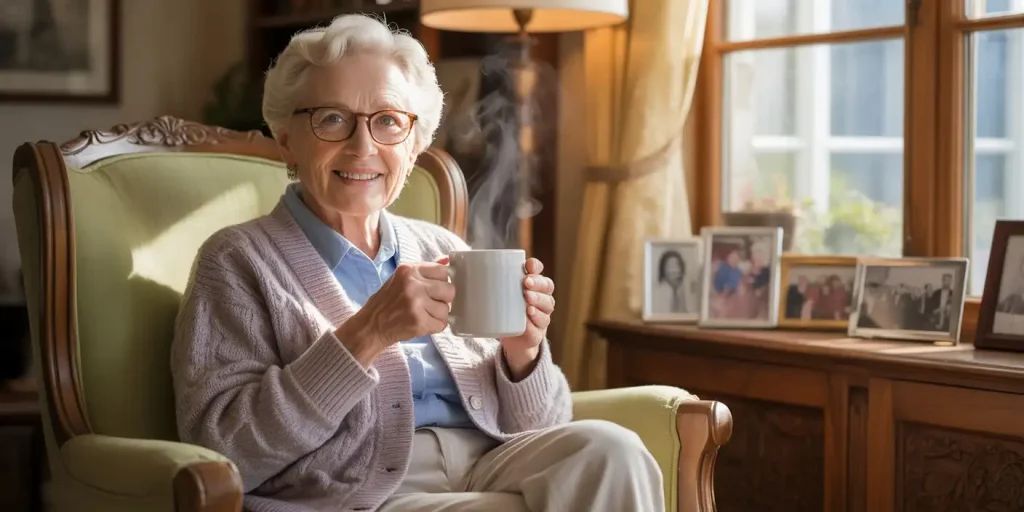
In Emotional Benefits of Aging in Place, I explore how staying in one’s home supports dignity, joy, and belonging. The article shows how small rituals, morning coffee at the same table, tending a favorite garden, or greeting neighbors, build resilience and happiness.
It also explains how emotional comfort reduces loneliness and encourages engagement with family and community.
Action Tip: Encourage seniors to personalize spaces with photos, plants, or familiar scents that bring comfort and spark joy.
What Are the Overall Benefits of Aging in Place?
The benefits of aging in place include improved independence, safety, financial savings, and quality of life.
In Benefits of Aging in Place, I cover the full range of advantages, from emotional comfort to practical benefits like home safety and lower costs compared to assisted living. You’ll find insights on how simple home modifications (like grab bars or better lighting) can extend independence for years.
Action Tip: Start with one safety upgrade per room, such as non-slip flooring in bathrooms or motion-sensor lighting in hallways.
Why Do Seniors Want to Stay in Their Homes?
Most seniors want to stay home because it represents security, identity, and community.
In Why Seniors Want to Stay in Their Homes, I discuss how emotional attachment and control over one’s environment create a sense of safety and pride.
For many older adults, moving means losing familiarity, while staying home offers belonging and purpose. This piece helps families understand the “why” behind the strong desire to remain independent.
Action Tip: Talk openly about what “home” means to your loved one before suggesting any housing changes or care decisions.
Why Is Aging in Place Important for Seniors and Families?
Aging in place is important because it supports autonomy, saves resources, and strengthens family and community bonds.
In Why Is Aging in Place Important?, I highlight how staying home benefits not just seniors but also caregivers and society. Aging in place allows older adults to continue contributing to their communities and eases emotional and financial pressure on families.
It’s a key part of making a place feel like home for seniors and caregivers, it’s more compassionate and sustainable model of care.
Action Tip: Create an aging-in-place plan early, include safety upgrades, transportation options, and support networks for future needs.
Final Thoughts: The Deeper Meaning Behind Aging in Place
Aging in place is more than staying put, it’s about living with purpose, safety, and peace of mind. When home environments evolve to meet physical and emotional needs, seniors thrive in ways that no institution can replicate.
If you’d like to explore the practical side of aging in place next, visit my related pillar pages on:
- Planning and Practical Considerations
- Challenges and Feasibility of Aging in Place
- Pros and Cons of Aging in Place
Together, these resources form a complete roadmap for aging safely, confidently, and joyfully at home.