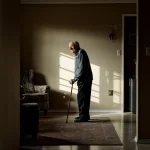
Staying steady and secure doesn’t have to feel overwhelming. Fall prevention tips for seniors provide simple, practical ways to lower risks, protect independence, and bring peace of mind to both older adults and their families. With a few daily habits and home adjustments, you can greatly reduce the chances of a serious fall.
The challenge is that falls often happen when least expected, from a loose rug, dim lighting, or even rushing to answer the phone. The reassuring news is that with the right tips and consistent safety steps, you can stay active and confident without living in fear of falling.
Quick Rundown: Fall Prevention Tips for Seniors
- Improve Lighting: Brighten hallways, bathrooms, and stairs to reduce shadows and trip hazards.
- Clear Pathways: Remove clutter, secure loose rugs, and keep cords out of walking areas.
- Use Assistive Devices: Install grab bars, railings, and non-slip mats for added stability.
- Strengthen Balance: Encourage daily exercise like tai chi, walking, or chair yoga to build strength and coordination.
- Choose Safe Footwear: Wear non-slip, supportive shoes instead of slippers or socks.
- Plan Ahead: Schedule regular vision checks, review medications, and keep emergency contacts visible.

As an occupational therapist, I’ve seen too many times how falls can impact the lives of older adults. I remember working with an elderly couple during my time in home health who were particularly anxious about falling.
They were scared not just of falling themselves, but also of not being able to help each other up if one of them did fall. This fear was limiting their daily activities and quality of life.
To address their concerns, I taught them both how to safely get up from the floor using the abilities that they had.
We practiced together, starting from a lying position and working our way up to standing. I also showed them how to use nearby furniture for support during the process.
Additionally, we went through their home together, identifying potential fall hazards, recommending some fall prevention products and making simple modifications.
We removed loose rugs, improved lighting in dimly lit areas, and rearranged furniture to create clear pathways. I also recommended they keep a phone within reach at all times, just in case they needed to call for help.
The couple found these practical strategies empowering. Over time, their confidence grew, and they became more active in their daily lives.
It was rewarding to see how these simple interventions could make such a significant difference in their independence and peace of mind.
Now, let’s take a look at some essential fall prevention tips that can help seniors stay safe and independent.
Understanding the Risk
Falls are the leading cause of injury for adults ages 65 years and older. In fact, over 14 million, or 1 in 4 older adults report falling every year. (source: CDC)
These statistics highlight the importance of fall prevention strategies for seniors.
| Fall Statistics for Older Adults | |
|---|---|
| Annual falls reported | 14 million (1 in 4 seniors) |
| Deaths from preventable falls | 40,919 (in 2022) |
| Emergency department treatments | Over 3.5 million |
| Hip fractures caused by falls | More than 95% |
It’s important to note that most falls are caused by a combination of risk factors.
The more risk factors a person has, the greater their chances of falling. For more details on these common causes, visit our detailed guide.
Home Safety Modifications
One of the most effective ways to prevent falls is to make the home environment safer.
Here are some key modifications to consider:
- Remove tripping hazards like loose rugs and clutter
- Improve lighting throughout the house, especially in stairways and hallways
- Install grab bars in the bathroom, particularly near the toilet and in the shower
- Use non-slip mats in the bathtub and shower
- Ensure handrails are secure on both sides of staircases
- Consider fall resistant flooring wherever possible
These changes can significantly reduce the risk of falls at home, where many accidents occur. For a comprehensive home fall prevention guide, check out our resources.
Lifestyle Changes for Better Balance
Incorporating certain lifestyle changes can greatly improve a senior’s balance and strength, reducing fall risk.
Some beneficial activities include:
- Regular exercise, focusing on balance improvement and strength exercises
- Tai Chi or yoga classes designed for seniors
- Walking with proper footwear on even surfaces
- Staying hydrated and maintaining a healthy diet rich in calcium and vitamin D
It’s important to consult with a healthcare provider before starting any new exercise regimen to ensure it’s safe and appropriate.
Explore simple exercises that can be done at home.
The Importance of Regular Health Check-ups
Regular medical check-ups play a crucial role in fall prevention. Seniors should:
- Have their vision checked annually
- Review medications with their doctor to identify any that might increase fall risk
- Discuss any balance issues or dizziness with their healthcare provider
- Get bone density screenings to check for osteoporosis
These health assessments can help identify and address potential problems before they lead to falls. Managing chronic conditions is also essential in preventing falls.
Proper Footwear and Assistive Devices
Choosing the right footwear is crucial for fall prevention:
- Wear shoes with non-slip soles and low heels
- Avoid loose-fitting slippers or shoes without backs
- Consider orthopedic shoes for better support
- Use mobility aids like canes or walkers if recommended by a healthcare professional
Proper use of these tools can provide additional stability and confidence when moving around. Learn more about fall prevention devices that can aid mobility.
Managing Dizziness
Dizziness can significantly increase fall risk. Here are some tips to manage it:
- Stand up slowly to avoid sudden drops in blood pressure
- Stay hydrated to prevent dehydration-related dizziness
- Discuss any persistent dizziness with your doctor, as it may be a side effect of medication
The Role of Sleep in Fall Prevention
Good sleep habits can contribute to fall prevention:
- Aim for 7-9 hours of sleep per night
- Create a relaxing bedtime routine
- Avoid caffeine and alcohol close to bedtime
- Ensure the bedroom is dark, quiet, and cool
Adequate sleep helps maintain balance, coordination, and alertness during the day.
Exercise Programs for Fall Prevention
Specific exercises can significantly improve balance and strength:
- Tandem Balance: Stand heel-to-toe as if on a tightrope for 10-30 seconds
- Single Leg Balance: Stand on one foot, holding for 10-30 seconds, then switch
- Heel-to-toe walk: Walk in a straight line, placing the heel of one foot directly in front of the toes of the other foot
- Kick Stand Romanian Dead Lift (RDL): Stand on one leg, hinge at the hips while extending the other leg behind you
Aim to do these exercises at least three times a week for a minimum of 12 weeks to see improvements in balance and strength.
These exercises can help combat muscle weakness, a common issue in older adults.
Gait Training and Mobility
Improving your walking pattern can significantly reduce fall risk. Consider working with a physical therapist on gait training exercises.
They can help you:
- Improve your stride length and speed
- Enhance your ability to navigate uneven surfaces
- Learn how to use assistive devices properly
Cognitive Function and Fall Prevention
There’s a strong link between cognitive function and fall risk. Engaging in mentally stimulating activities can help:
- Improve reaction time
- Enhance decision-making skills
- Boost overall awareness of your surroundings
Consider puzzles, reading, or learning a new skill to keep your mind sharp.
Involving Family and Caregivers
Family members and caregivers play a crucial role in fall prevention:
- Help conduct regular home safety assessments
- Encourage and support regular exercise
- Assist with medication management
- Be aware of fall risks and help implement prevention strategies
Caregiver support is invaluable in maintaining a safe environment and promoting healthy habits.
Remember, fall prevention is an ongoing process. It’s important for seniors and their caregivers to regularly assess fall risks and make necessary adjustments to ensure continued safety and independence.
Take Action Today
Don’t wait for a fall to happen before taking preventive measures. We encourage you to take three important steps today:
- Download our free “Elderly Fall Prevention Checklist” to assess and improve safety in your or your loved one’s home. This comprehensive checklist will guide you through potential hazards and offer practical solutions for risk reduction.
- Be aware pf the warning signs of mobility issues.
- Consult with your doctor about personalized fall prevention strategies. They can provide tailored advice based on your specific health conditions and medications.
If you’re looking to really take care of yourself, then take a look at this book, Balance Exercixes for Fall Prevention by Amanda Sterczyk, MA, CPT.
These exercises, designed by healthcare professionals, can significantly improve balance and strength.
By implementing these fall prevention tips and utilizing our resources, seniors can significantly reduce their risk of falling and maintain their independence for longer.
It’s never too late to start taking steps towards a safer, more secure living environment. Your safety and independence are worth the effort!
Remember, elderly safety is not just about preventing falls—it’s about maintaining quality of life, independence, and peace of mind.
With the right strategies and support, seniors can continue to live active, fulfilling lives while minimizing their risk of falls and injuries.