Falls aren’t a normal part of aging, yet they’re one of the most common reasons older adults lose independence.
The most common causes of falls in the elderly include poor balance, vision problems, unsafe home environments, and chronic health conditions. Knowing these risks makes it easier to prevent accidents before they happen.
The difficulty is that many families overlook small hazards or changes in health until a fall occurs. The encouraging part is that by learning the leading causes now, you can take simple, practical steps to make life safer and more stable for your loved one.
Quick Rundown
- Poor balance, weak muscles, and limited mobility raise fall risk.
- Vision changes, hearing loss, and medication side effects contribute to accidents.
- Home hazards like clutter, loose rugs, and poor lighting are common triggers.
- Chronic illnesses such as arthritis, diabetes, and Parkinson’s add challenges.
- Fall prevention strategies can reduce risks and protect independence.
With these causes in mind, let’s take a closer look at why seniors fall and the most effective ways to prevent it.
Fall Prevalence and Statistics
The prevalence and impact of falls among the elderly have significantly increased over the past decade.
Let’s examine the data:
Falls Statistics in the Elderly (2011 vs 2021)
Fall-related deaths increased from 22,900 in 2011 to 38,742 in 2021, a 69% increase.
Emergency Department Visits Due to Falls (source: National Library of Medicine)
- Annual Visits: Older adults incurred an estimated 2.3 million emergency department (ED) visits annually due to falls, according to a study using data from the 2016-2018 National Emergency Department Sample.
- Trends: The number of ED visits for fall-related injuries among older adults has been increasing, with more than 3 million older adults seeking hospital care for fall injuries annually.
- Costs: The combined annual costs for fall-related injuries in older adults reached $19.8 billion, with ED costs driven by superficial injuries.
Projected Medical Costs for Falls in Elderly (2015 vs 2030)
The projected medical costs for falls in the elderly are expected to double from $50 billion in 2015 to over $100 billion by 2030. (source: National Library of Medicine)
Common Causes of Falls in the Elderly
Understanding the most common causes of falls is crucial for prevention.
Here are the primary factors:
1. Age-Related Changes
As we age, our bodies undergo several changes that can increase the likelihood of falling:
- Decreased muscle strength
- Balance and coordination issues
- Vision and hearing impairments
- Cognitive decline
2. Medical Conditions
Certain health conditions common in older adults can significantly increase fall risk:
- Chronic health conditions (e.g., arthritis, Parkinson’s disease, diabetes)
- Cardiovascular issues
- Osteoporosis
3. Medication-Related Causes
Many medications taken by older adults can increase fall risk:
- Sedatives and sleep aids
- Antidepressants and antipsychotics
- Blood pressure medications
- Antihistamines
4. Environmental Hazards
The home environment can present numerous fall risks for seniors:
- Poor lighting
- Loose rugs and clutter
- Lack of handrails
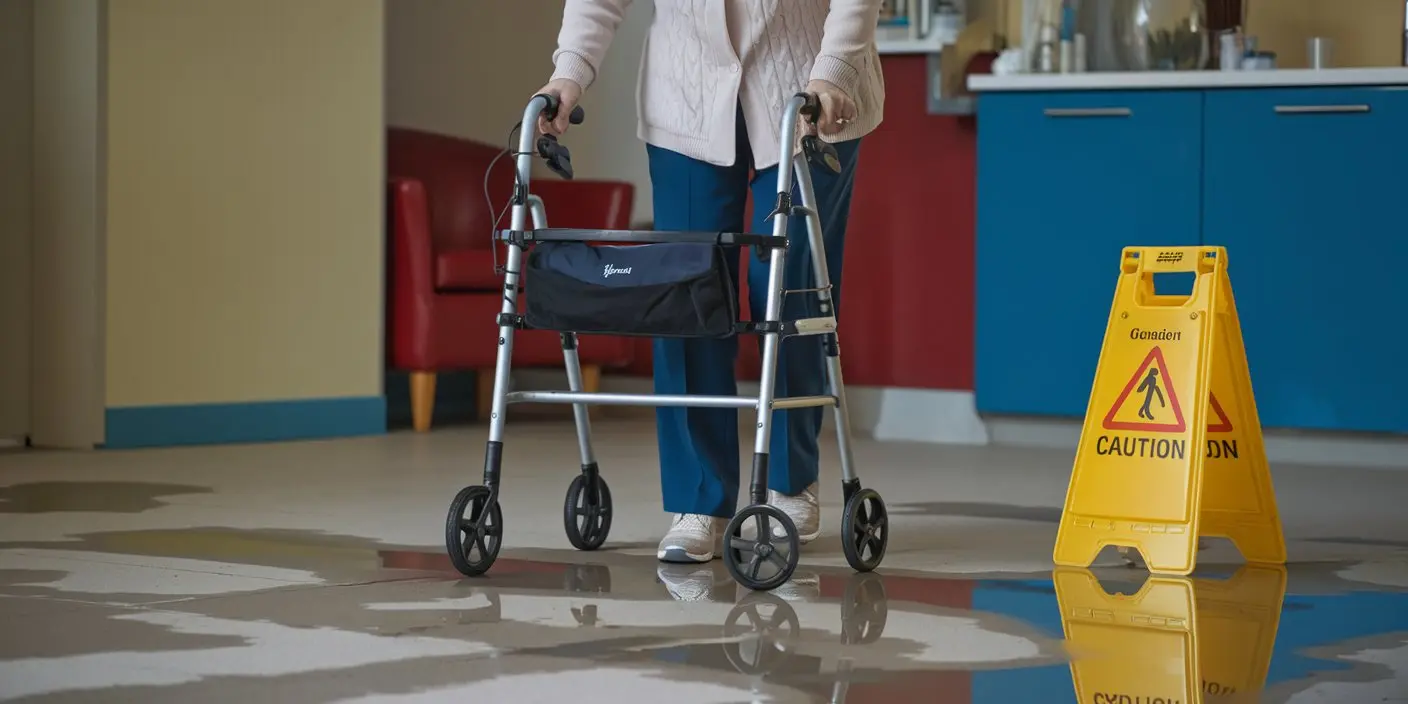
- Slippery surfaces
5. Lifestyle Factors
Certain lifestyle choices and habits can contribute to fall risk:
- Lack of physical activity
- Improper footwear
- Rushing or multitasking
Addressing Gaps and Enhancements
Psychological Impact and Fear of Falling
Fear of falling can lead to reduced activity, which increases fall risk. It’s important to maintain confidence and stay active through:
- Participating in balance and strength exercises
- Engaging in community activities
Footwear and Fall Prevention
Choosing the right footwear is crucial:
- Wear shoes with non-slip soles
- Avoid high heels and slippers
Vision and Eye Health
Regular eye exams are essential:
- Update prescriptions as needed
- Consider corrective measures like cataract surgery
Nutrition and Vitamin D
Proper nutrition plays a key role in fall prevention:
- Ensure adequate intake of vitamin D and calcium
- Maintain a balanced diet
Use of Assistive Devices
Assistive devices can provide support:
- Use canes or walkers as recommended by healthcare providers
- Ensure devices are properly fitted
Assessing Fall Risk
To determine an individual’s fall risk, healthcare providers may use various assessment tools:
- Home safety assessments
- Balance and gait tests
- Medication reviews
Preventing Falls in the Elderly
While it’s not possible to completely eliminate fall risk, there are several strategies that can help reduce the likelihood of falls:
- Regular exercise to improve strength, balance, and flexibility
- Home modifications (e.g., installing grab bars, improving lighting)
- Medication management
- Vision and hearing care
- Proper nutrition (adequate intake of vitamin D and calcium)
- Using assistive devices when needed
By understanding the most common causes of falls in the elderly and taking proactive steps to address these risk factors, seniors and their caregivers can significantly reduce the likelihood of falls and maintain independence and quality of life.