Many older adults want to stay in their own homes, but safety, loneliness, and daily challenges can make that difficult. The good news is there are smart, affordable solutions that help seniors live safely, stay connected, and maintain independence, without giving up the comfort of home.
Quick Rundown: How to Help Seniors Live Safely and Confidently Alone
- Prioritize fall prevention: Install grab bars, non-slip mats, and better lighting throughout the home.
- Use smart technology: Set up voice assistants, medication reminders, and home monitoring systems.
- Plan for emergencies: Keep a medical alert system and updated contact list readily accessible.
- Stay socially connected: Encourage phone calls, video chats, or local senior center visits to avoid isolation.
- Arrange community support: Use programs like Meals on Wheels and volunteer transportation services for extra help.
From small home modifications to emotional support systems, each step strengthens independence while keeping safety first. Let’s explore these solutions in more detail.
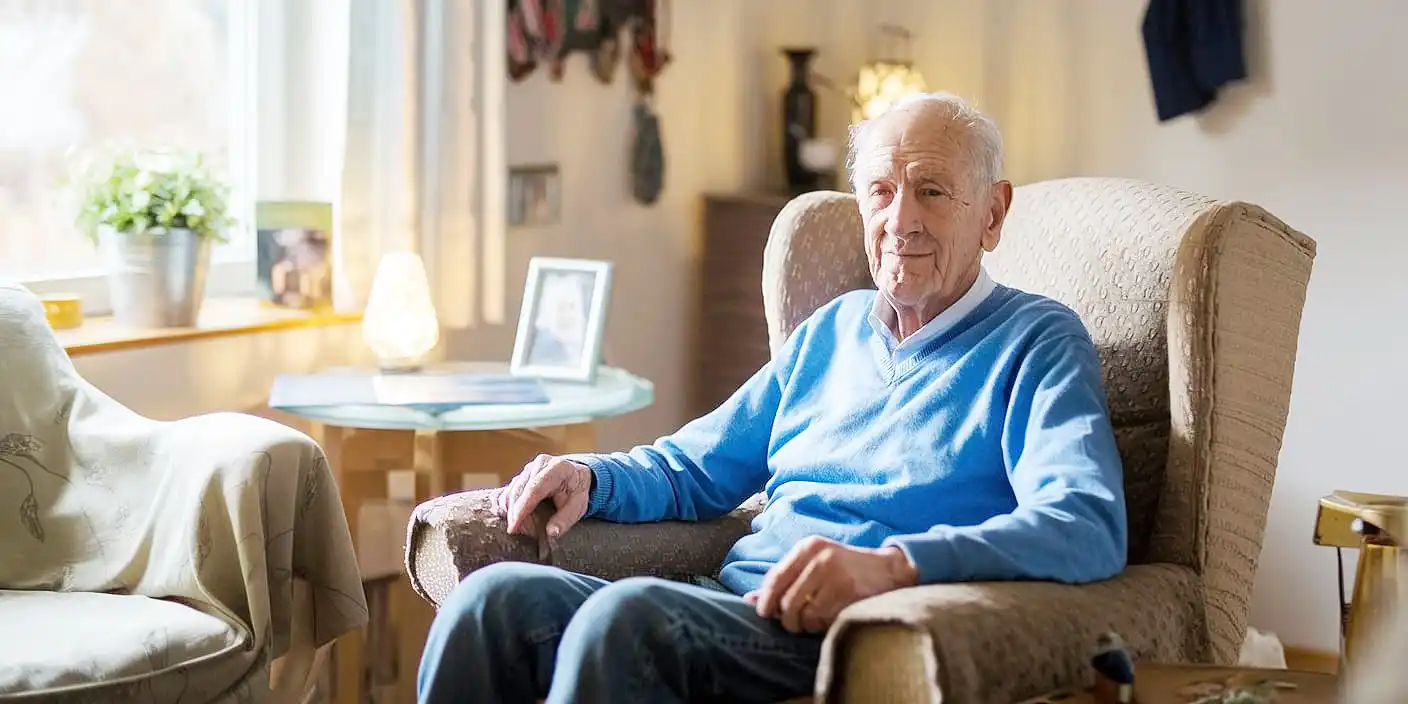
So, in this article I’m going to address the unique issues that older adults may face when living independently, including safety, avoiding scams, daily living aids, social connections, and transportation needs.
3 Home Safety for Seniors Living Alone
One of the primary concerns for elderly individuals living alone is home safety.
Taking simple steps to improve home safety can significantly reduce the risk of accidents and provide peace of mind for both the senior and their family.
Safety Devices for Seniors Living Alone
To help make the home environment safer for seniors, consider incorporating a variety of safety devices. These devices can help prevent accidents, provide quick assistance when needed, and ensure a more secure home environment.
Here are some recommended safety devices:
- Grab Bars: Install grab bars in the bathroom, near the toilet, and in the shower to provide stability. Learn more about Grab Bars for Seniors.
- Non-Slip Mats: Place non-slip mats in the bathroom and kitchen to reduce the risk of falls on slippery surfaces.
- Medical Alert Systems: A medical alert system allows seniors to call for help at the push of a button. These systems can be crucial for getting immediate assistance after a fall.
- Motion-Sensor Lights: Installing motion-sensor lights in hallways and entryways helps prevent tripping in the dark. They automatically illuminate areas when motion is detected.
- Smoke and Carbon Monoxide Detectors: Make sure there are smoke and carbon monoxide detectors in key areas of the home. Regularly check that these devices are functioning properly.
- Fire Extinguisher: Keep a fire extinguisher in the kitchen and ensure seniors know how to use it. This can be helpful in case of a minor fire emergency.
- Door and Window Locks: Ensure all doors and windows have sturdy locks. Consider adding a Video Doorbell for added security, allowing seniors to see who is at the door before answering.
- Fall Detection Sensors: Wearable fall detection sensors can automatically detect a fall and alert emergency contacts, providing an extra layer of safety for seniors who live alone.
- Bed Alarms: A bed alarm can notify caregivers if a senior leaves the bed at night, which can be useful for those prone to nighttime wandering.
- Stove Shut-Off Devices: Installing an automatic stove shut-off device can prevent kitchen fires caused by forgetting to turn off the stove.
For more in-depth guidance on keeping the home safe using these suggestions and more, check out our detailed Home Safety Checklist for Seniors.
Fire Safety for Seniors Living Alone
Fire safety is a crucial aspect of keeping seniors safe, especially when they are living independently. Here are some important devices and recommendations to ensure fire safety:
- Smoke Detectors: Install smoke detectors in every room, especially in the kitchen, hallways, and bedrooms. Regularly check and replace batteries as needed to ensure they are working correctly. For more details, visit Smoke Detector Safety Tips for Seniors.
- Carbon Monoxide Detectors: Carbon monoxide can be deadly, so it’s essential to have detectors near sleeping areas and common rooms. Make sure they are functioning properly and are checked regularly.
- Fire Extinguishers: Keep a fire extinguisher in the kitchen, garage, and other key areas. Make sure the senior knows how to use it properly.
- Stove Shut-Off Devices: Seniors living alone can sometimes forget to turn off the stove, leading to fire hazards. An automatic stove shut-off device can prevent such incidents and is a great addition to kitchen safety.
- Fire Escape Plan: Develop a clear fire escape plan that is easy for seniors to follow. Make sure they know the exits and practice the plan periodically.
- Emergency Lighting: In case of power outages, emergency lighting can guide seniors safely out of their home. Battery-powered lights placed along pathways can help make exits clearer.
- Avoid Clutter: Clutter can increase the risk of fire spreading and create obstacles during an emergency. Keep hallways and exits clear for a quick escape if needed.
- Fire-Resistant Materials: Consider using fire-resistant materials for curtains, furniture, and bedding to reduce the risk of fire spreading rapidly.
By following these fire safety recommendations and incorporating fire safety devices, seniors living alone can greatly reduce their risk of fire-related incidents and feel more secure in their homes.
For more in-depth guidance on fire safety and additional recommendations, check out our Fire Safety Tips for Seniors.
Home Security for Seniors Living Alone
Home security is another essential aspect of keeping seniors safe while they live alone. Here are some key devices and strategies that can enhance home security for older adults:
- Video Doorbells: Video doorbells allow seniors to see who is at their door before answering, adding an extra layer of security. For more details, visit our page on Video Doorbells for Seniors.
- Door and Window Locks: Make sure that all doors and windows have secure, sturdy locks. Deadbolt locks can be especially effective in increasing security.
- Security Cameras: Install security cameras around entry points, such as doors and windows, to monitor any suspicious activity. Many security systems now allow for live streaming via a smartphone, providing extra peace of mind.
- Motion-Sensor Lights: Place motion-sensor lights outside entryways and along pathways to deter intruders. These lights will activate when movement is detected, making it less likely that someone will try to approach unnoticed.
- Alarm Systems: A home alarm system can alert both the senior and emergency services in case of a break-in. Choose an alarm system that is easy to use and that offers a panic button for immediate assistance.
- Door Reinforcement: Consider installing door reinforcement products, such as door braces or security bars, to make it more difficult for intruders to force entry.
- Smart Locks: Smart locks allow seniors or caregivers to lock and unlock doors remotely, providing both convenience and enhanced security.
- Window Sensors: These sensors can detect if a window is opened unexpectedly and trigger an alarm, adding another layer of protection.
- Neighborhood Watch: Encourage seniors to become part of a neighborhood watch program. This sense of community can help improve security by keeping an eye out for suspicious activities in the area.
Other Safety Concerns For Older Adults Living Alone
Avoiding Scams and Fraud
Unfortunately, elderly individuals living alone are often targeted by scammers. Education and preventive measures can help seniors protect themselves from falling victim to these scams.
Phone and Email Scams for Seniors Living Alone
Phone and email scams are among the most common threats faced by seniors living alone. Here are some devices and suggestions to help protect older adults from these scams:
- Call-Blocking Devices: These devices can help block unwanted calls from scammers. Consider investing in a call-blocking phone or adding a call-blocking service to reduce the number of scam calls.
- Caller ID and Voicemail: Encourage seniors to use caller ID and let unknown numbers go to voicemail. Scammers often avoid leaving messages, which can help screen out fraudulent calls.
- Email Spam Filters: Make sure email accounts have spam filters enabled. These filters help keep scam emails out of the inbox and reduce the chances of falling for phishing scams.
- Do Not Call Registry: Register the senior’s phone number with the National Do Not Call Registry to reduce telemarketing calls, which can often be scams.
- Education on Common Scams: Teach seniors about common scam tactics, such as claiming to be from the IRS, fake tech support calls, or “you’ve won” sweepstakes. Knowledge is the first line of defense.
- Password Managers: Using a password manager can help seniors create and store strong, unique passwords, reducing the risk of online accounts being compromised.
- Two-Factor Authentication (2FA): Enable two-factor authentication on important accounts to provide an additional layer of security against hackers.
- Report Scams: Encourage seniors to report scam attempts to the Federal Trade Commission (FTC) or local authorities. Reporting helps raise awareness and prevent others from falling victim.
In addition to phone and email scams, here are other types of scams that older adults should be aware of:
- Online Shopping Scams: Scammers may set up fake online stores or advertise false deals. Encourage seniors to shop only on reputable websites and avoid deals that seem too good to be true.
- Tech Support Scams: Scammers may call claiming to be from tech companies, stating that there is a problem with the senior’s computer. They often ask for remote access or payment. Emphasize that tech companies do not call customers out of the blue.
- Lottery or Sweepstakes Scams: Scammers inform victims that they’ve won a prize but must pay a fee or provide personal information to collect it. Remind seniors that legitimate prizes never require payment to receive.
- Romance Scams: Seniors who are lonely might be targeted by scammers posing as romantic interests. Encourage them to be cautious of relationships that develop quickly online and to never send money to someone they haven’t met in person.
- Charity Scams: Scammers might pose as representatives of fake charities, especially after natural disasters or major events. Suggest that seniors verify charities through trusted sources like Charity Navigator.
- Grandparent Scams: Scammers pretend to be a grandchild in distress, needing money for an emergency. Advise seniors to verify such stories by contacting family members directly before sending money.
- Health Insurance and Medicare Scams: Scammers might call pretending to be from Medicare or an insurance company, trying to collect personal information. Seniors should be aware that Medicare will not call asking for sensitive information.
Visit our page on Scams and Fraud Prevention for more information on how to stay safe.
Products for Daily Living
There are so many amazing products available today that can make daily living easier and safer for seniors living alone.
Assistive Devices for Seniors Living Alone
Assistive devices can play an important role in helping seniors maintain independence and perform daily living tasks with greater ease. Here is a comprehensive list of assistive devices that can benefit older adults:
- Reacher Grabbers: Reacher grabbers help seniors pick up items from the floor or hard-to-reach places without bending over, reducing the risk of falls.
- Jar Openers and Electric Can Openers: These devices assist with opening jars and cans, making it easier for seniors who may have reduced hand strength. Learn more about Kitchen Safety Tips for Seniors.
- Walkers and Canes: Mobility aids like walkers and canes provide stability for seniors who need extra support while walking. Consider different types based on individual needs.
- Shower Chairs and Transfer Benches: Shower chairs provide a safe place to sit while showering, and transfer benches make getting in and out of the tub easier and safer.
- Raised Toilet Seats: Raised toilet seats make it easier for seniors to sit down and stand up, reducing strain on the knees and hips.
- Sock Aids and Dressing Sticks: These tools make dressing easier, allowing seniors to put on socks or clothes without bending or straining.
- Grab Bars: Install grab bars in key locations such as bathrooms to provide extra support and prevent slips. Read more about Grab Bars for Seniors.
- Long-Handled Bath Sponges: These help seniors reach all parts of their body while bathing without overextending.
- Handheld Shower Heads: A handheld shower head provides more control while bathing, making it easier for seniors to maintain hygiene independently.
- Medication Management Tools: Automatic pill dispensers, pill organizers, and reminder alarms can help seniors manage their medications effectively.
- Lift Chairs: Lift chairs assist seniors in getting up from a seated position, reducing the risk of falls.
- Vinyl Rugs: A clever way to add a “rug” to your floor without an actual rug is to use non-skid vinyl rugs. Easy to clean, easy to use with walkers and wheelchairs.
- Voice-Activated Assistants: Devices like Alexa or Google Home can set reminders, turn on lights, or call for help, providing convenience and enhancing safety.
- Emergency Medical Alert Systems: Medical alert systems allow seniors to call for help in case of emergencies, providing peace of mind for both them and their families.
- Kitchen Safety Devices: Items like stove shut-off devices and non-slip mats can help prevent kitchen accidents.
- Bed Rails: Bed rails provide support when getting in and out of bed and can help prevent falls during the night.
- Transfer Aids: Transfer belts and boards can assist caregivers in helping seniors move from one position to another, such as from bed to wheelchair.
- Portable Ramps: Portable ramps help seniors navigate entryways or steps with greater ease, especially if they use a wheelchair or walker.
- Fall Detection Sensors: Wearable fall detection sensors automatically detect a fall and can alert emergency contacts. This can be particularly helpful for seniors living alone.
Technology Solutions for Seniors Living Alone
Technology can significantly improve the quality of life for seniors living alone by making everyday tasks easier and enhancing safety. Here is a comprehensive list of technology solutions that can benefit older adults:
- Voice-Activated Assistants: Devices like Amazon Alexa or Google Home can help seniors control smart home devices, set reminders, play music, and even contact family members using voice commands.
- Smart Home Systems: A smart home system can control lighting, thermostats, and security features remotely, making it easier for seniors to manage their environment.
- Medication Reminders: Smart pill dispensers and medication reminder apps help seniors take their medication on schedule.
- Video Doorbells: Video doorbells allow seniors to see and speak to visitors without having to open the door, enhancing security.
- Fall Detection Devices: Wearable fall detection devices automatically alert emergency contacts when a fall is detected, providing reassurance for seniors living alone.
- GPS Trackers: GPS trackers can help families keep track of elderly loved ones, particularly useful for those with dementia who may wander.
- Automatic Stove Shut-Off Devices: These devices can turn off the stove if it has been left on for too long, reducing fire hazards.
- Smart Lights: Smart lighting systems that respond to voice commands or motion sensors can reduce the risk of falls by ensuring seniors always have adequate lighting.
- Video Calling Devices: Devices like tablets or the Facebook Portal can help seniors stay connected with family through video calls, reducing isolation.
- Medical Alert Systems: Systems with GPS tracking and two-way communication allow seniors to get help immediately in case of emergencies, both inside and outside the home.
- Smart Door Locks: Smart locks provide keyless entry, allowing seniors or caregivers to unlock doors remotely, enhancing both convenience and security.
- Security Cameras: Indoor security cameras can provide peace of mind by allowing family members to check in on seniors living alone.
- Wearable Health Trackers: Devices like smartwatches can monitor vital signs such as heart rate and alert emergency contacts if something seems wrong.
- Virtual Companions: Devices like ElliQ offer social interaction and reminders, providing a sense of companionship and helping with daily routines.
- Robotic Vacuum Cleaners: Robotic vacuums can help keep floors clean without the senior needing to do physical work, reducing tripping hazards.
For more insights into how technology can support independent living, check out our Technology Solutions for Seniors page.
Health and Wellness for Seniors Living Alone
Maintaining physical and mental health is crucial for seniors living alone. Here are some key solutions to help seniors stay healthy and active:
Physical Health Solutions
Regular Exercise
Engaging in regular physical activity is essential for seniors living alone. Some effective options include:
- Daily walks in the neighborhood or local park.
- Chair exercises for those with limited mobility.
- Swimming or water aerobics classes at a local pool.
- Yoga or tai chi for improved balance and flexibility.
- Resistance band workouts to maintain muscle strength.
Nutrition
Proper nutrition is vital for seniors’ overall health. Strategies include:
- Meal planning and preparation of nutritious, balanced meals.
- Utilizing meal delivery services like Meals on Wheels if cooking is challenging.
- Staying hydrated by drinking plenty of water throughout the day.
- Taking recommended vitamins and supplements as advised by a doctor.
Preventive Care
Regular medical check-ups and screenings are important[6]. Seniors should:
- Schedule annual physicals and recommended health screenings.
- Keep up with vaccinations, including flu shots and other age-appropriate immunizations.
- Manage chronic conditions through medication adherence and lifestyle modifications.
Mental Health Solutions
Social Engagement
Maintaining social connections is crucial for mental well-being. Seniors can:
- Join local senior centers or community groups.
- Participate in virtual book clubs or online discussion groups.
- Volunteer for causes they care about.
- Use technology like video calls to stay in touch with family and friends.
Cognitive Stimulation
Keeping the mind active is important for cognitive health. Activities include:
- Reading books or newspapers daily.
- Doing crossword puzzles, Sudoku, or other brain teasers.
- Learning a new skill or hobby, such as painting or playing an instrument.
- Taking online courses or attending local educational workshops.
Mindfulness and Relaxation
Practicing mindfulness can help reduce stress and improve mental health. Seniors can try:
- Daily meditation or deep breathing exercises.
- Gentle yoga or stretching routines.
- Listening to calming music or nature sounds.
- Keeping a gratitude journal.
Professional Support
Seeking professional help when needed is important. Options include:
- Regular check-ins with a therapist or counselor.
- Joining support groups for seniors or specific health conditions.
- Utilizing telehealth services for mental health consultations.
By incorporating these physical and mental health solutions into their daily routines, seniors living alone can maintain their overall well-being and enjoy a higher quality of life.
It’s important to tailor these strategies to individual needs and abilities, and to consult with healthcare professionals for personalized advice.
Nutrition Tips for Seniors Living Alone
Here are some key nutrition tips and strategies for seniors living alone:
Meal Planning and Preparation
Keep it simple: Focus on easy, nutritious meals that don’t require extensive prep or cooking time. Some ideas include:
- Overnight oats with fruit and nuts for breakfast.
- Sandwiches or wraps with lean protein and veggies for lunch.
- Sheet pan dinners with fish/chicken and roasted vegetables.
- Grain bowls topped with beans, greens, and a healthy dressing.
Batch cook and freeze: Prepare larger portions of soups, stews, casseroles etc. and freeze individual servings for easy reheating later.
Use convenient ingredients: Pre-cut fruits and vegetables, rotisserie chicken, canned beans, and frozen produce can simplify meal prep.
Consider meal delivery services: Many areas offer meal delivery programs specifically for seniors, which can provide balanced, ready-to-eat meals.
Smart Grocery Shopping
- Make a list: Plan meals for the week and create a detailed shopping list to avoid impulse purchases. Here are some wonderful journals to help you.
- Shop during off-peak hours: This allows for a less crowded, more relaxed shopping experience.
- Look for senior discounts: Many grocery stores offer special discounts for seniors on certain days.
- Choose nutrient-dense foods: Focus on whole grains, lean proteins, fruits, vegetables, and low-fat dairy products.
- Read nutrition labels: Pay attention to sodium, added sugars, and saturated fat content.
Meeting Nutritional Needs
- Prioritize protein: Aim for lean protein sources like fish, poultry, beans, and eggs to maintain muscle mass.
- Boost calcium and vitamin D: Include low-fat dairy products and fortified foods to support bone health.
- Increase fiber intake: Choose whole grains, fruits, vegetables, and legumes to promote digestive health.
- Stay hydrated: Drink plenty of water throughout the day, as thirst sensation can decrease with age.
- Consider supplements: Consult with a healthcare provider about potential needs for vitamin B12, vitamin D, or other supplements.
Additional Tips
- Use smaller plates to help with portion control.
- Experiment with herbs and spices to enhance flavor without adding salt.
- Keep healthy snacks like nuts, fruit, or yogurt easily accessible.
- Stay social by sharing meals with friends or joining community dining programs when possible.
Social Connections and Community Engagement
Maintaining social connections and staying engaged in the community is crucial for seniors’ overall well-being and quality of life.
Here are several ways seniors can remain socially active and avoid isolation:
Community Activities for Seniors
Participating in community-based activities is an excellent way for seniors to stay connected and engaged. Many local organizations offer programs specifically designed for older adults:
- Senior Centers: These facilities provide a variety of activities, classes, and social events tailored to seniors’ interests and needs. They often offer exercise classes, educational workshops, game nights, and group outings.
- Book Clubs: Joining a book club allows seniors to engage in intellectual discussions and meet like-minded individuals. Many local libraries or community centers host book clubs specifically for older adults.
- Art Classes: Participating in art classes, such as painting, pottery, or crafts, can be both creatively fulfilling and socially engaging. These classes are often available at community centers, art studios, or senior centers.
- Group Exercise Programs: Many gyms and community centers offer exercise classes designed for seniors, such as chair yoga, water aerobics, or tai chi. These classes provide both physical and social benefits.
Digital Solutions for Social Connection
Technology can play a significant role in helping seniors maintain relationships with family and friends, especially those who live far away:
- Video Calling: Platforms like Skype, FaceTime, or Zoom allow seniors to have face-to-face conversations with loved ones. To make video calling easier, seniors can use devices with larger screens and simplified interfaces.
- Social Media: Platforms like Facebook can help seniors stay connected with family and friends by sharing photos, updates, and messages. It’s important to educate seniors about privacy settings and online safety.
- Online Communities: There are many online forums and communities specifically for seniors, where they can discuss shared interests, seek advice, or simply chat with peers.
Tips for using technology:
- Ask family members or friends for assistance in setting up and learning to use new technologies.
- Start with user-friendly devices designed for seniors.
- Attend local technology workshops or classes specifically for older adults.
Volunteer Opportunities for Seniors
Volunteering is an excellent way for seniors to stay socially engaged while making a positive impact in their communities:
- Senior Corps: This government agency offers programs like Foster Grandparents and Senior Companions, which connect older adults with opportunities to mentor children or assist other seniors.
- Local Non-Profit Organizations: Many non-profits welcome senior volunteers for various roles, such as helping with fundraising events or participating in community outreach programs.
- Meals on Wheels: This program not only provides meals to homebound seniors but also offers volunteer opportunities for active seniors to deliver meals and provide companionship.
- Community Gardens: Participating in or helping to maintain community gardens can be a great way for seniors to stay active and socialize with others who share their interest in gardening.
- Contact local senior centers or the Area Agency on Aging for information on volunteer programs.
- Visit websites like VolunteerMatch.org or Serve.gov to search for opportunities based on location and interests.
- Reach out to local non-profit organizations, schools, or religious institutions to inquire about volunteer needs.
By engaging in these various activities and opportunities, seniors can maintain active social lives, contribute to their communities, and enjoy a higher quality of life in their later years.
Financial Management and Assistance
Managing finances effectively while living alone can be challenging for seniors, but with the right strategies and resources, it’s possible to maintain financial stability.
Here’s a comprehensive guide to help seniors manage their finances and access available assistance:
Budgeting Tips for Seniors
- Track Expenses: Keep a detailed record of all income and expenses for at least a month to get a clear picture of your financial situation.
- Prioritize Necessities: Allocate funds first to essential expenses such as housing, food, healthcare, and utilities.
- Cut Unnecessary Costs: Review your expenses and identify areas where you can reduce spending, such as canceling unused subscriptions or finding more affordable alternatives for services.
- Plan for Healthcare Costs: Set aside funds for medical expenses, including prescription medications and potential emergencies.
- Use Senior Discounts: Take advantage of senior discounts offered by many businesses and organizations to reduce overall expenses.
- Consider Downsizing: If housing costs are a significant burden, consider moving to a smaller, more affordable home or apartment.
- Automate Bill Payments: Set up automatic payments for regular bills to avoid late fees and maintain a good credit score.
- Create an Emergency Fund: Set aside money for unexpected expenses to avoid relying on credit cards or loans in emergencies.
Financial Assistance Programs
Several government programs and community resources are available to provide financial assistance to seniors living alone:
- Social Security: This federal program provides retirement benefits based on your work history. Apply for benefits as soon as you’re eligible to maximize your income.
- Medicare: This health insurance program for seniors covers many medical expenses. Consider enrolling in Medicare Savings Programs to help with premiums, deductibles, and copayments.
- Medicaid: For low-income seniors, Medicaid can provide comprehensive health coverage, including long-term care services.
- Supplemental Nutrition Assistance Program (SNAP): This program helps low-income individuals purchase nutritious food.
- Low Income Home Energy Assistance Program (LIHEAP): LIHEAP assists with home energy bills, particularly for low-income households.
- Housing Assistance: The U.S. Department of Housing and Urban Development offers programs for low-income seniors, including subsidized housing and reverse mortgages for homeowners aged 62 and up.
- Veterans Benefits: If you’re a veteran, explore benefits offered by the Department of Veterans Affairs, which may include pension programs and healthcare services.
- Area Agencies on Aging: These local organizations can provide information on various assistance programs available in your community.
- BenefitsCheckUp: This online tool from the National Council on Aging can help you find benefits programs you may be eligible for based on your location and circumstances.
- Commodity Supplemental Food Program: This program provides food packages to low-income seniors aged 60 and up.
- Senior Farmers’ Market Nutrition Program: This program offers access to locally grown produce for low-income seniors.
Transportation and Mobility Solutions
Ensuring seniors have access to reliable transportation is crucial for maintaining their independence and quality of life.
Here’s a comprehensive overview of transportation and mobility solutions available to seniors:
Public Transportation Options
Many cities and towns offer public transportation options that are accessible and affordable for seniors:
- Reduced-Rate Transit Passes: Most public transit systems provide discounted fares or passes for seniors. These can typically be used on buses, subways, and light rail systems.
- Accessible Buses and Trains: Public transportation vehicles are often equipped with features like low floors, wheelchair ramps, and priority seating to accommodate seniors with mobility issues.
- Community Shuttles: Some communities offer specialized shuttle services for seniors, often providing door-to-door transportation for medical appointments, grocery shopping, and other essential errands.
- Para-transit Services: These are specialized transportation services for individuals with disabilities or mobility issues who cannot use regular public transit. They typically offer door-to-door service and can accommodate wheelchairs and other mobility aids.
Ride-Share and Specialized Services
For seniors who prefer more personalized transportation options, there are several ride-share and specialized services available:
- Uber and Lyft: These popular ride-sharing services can be accessed without a smartphone. Seniors can call 1-833-873-8237 to request a ride on demand or schedule one in advance. The service offers cashless payments and flexible ride options.
- GoGoGrandparent: This subscription-based service allows seniors to reserve rides through Uber and Lyft without needing a smartphone or app. Seniors can call a member number and follow prompts to order a ride, groceries, or meal delivery.
- Arrive: Similar to GoGoGrandparent, Arrive is a subscription service that connects seniors to Uber and Lyft drivers through a phone call. It offers personalized accounts with favorite destinations and ride preferences.
- SilverRide: This service combines ride-sharing convenience with drivers specially trained to address seniors’ needs. They offer door-to-door service, physical support, and assistance with tasks.
- Lyft for Seniors: Some organizations, like Seniors At Home, partner with Lyft to provide safe rides for seniors who don’t have smartphones or prefer ordering by phone. This service can often be scheduled in advance or arranged as needed.
Additional Transportation Resources
- Senior Centers: Many local senior centers offer free transportation services for their members, including scheduled trips to shopping centers and medical appointments.
- Volunteer Programs: Some organizations provide volunteer transportation services where volunteers offer door-to-door assistance to seniors.
- Government Social Services: Local government agencies often provide transportation assistance for seniors, including services for medical appointments and essential errands.
- Non-Emergency Medical Transportation: These services specialize in transporting seniors to and from medical appointments, ensuring they receive necessary care.
When choosing a transportation option, consider factors such as cost, accessibility, scheduling flexibility, and the level of assistance provided.
Many services offer trained drivers and vehicles equipped to accommodate mobility aids, ensuring safe and comfortable transportation for seniors with various needs.
Remember to check with local senior centers, Area Agencies on Aging, or social services departments for information on transportation programs specific to your community.
These resources can often provide detailed information on available services and help seniors navigate the options to find the best fit for their needs.
Emergency Preparedness for Seniors Living Alone
Emergency preparedness is crucial for seniors living alone, as they may be more vulnerable during natural disasters or health-related emergencies.
Here’s a comprehensive guide to help seniors prepare for various emergency situations:
Creating an Emergency Kit
An emergency kit is essential for seniors to have on hand in case of unexpected events. Here’s what should be included:
Water and Food:
- One gallon of water per person per day for at least three days.
- Non-perishable, easy-to-prepare food items for a 3-day supply (for evacuation) or 2-week supply (for home).
- Manual can opener.
Medical Supplies:
- A 7-day supply of all medications.
- Copies of prescriptions and medical information.
- First aid kit with bandages, antiseptic wipes, adhesive tape, scissors, and tweezers.
- Extra medical supplies like glucose monitors, hearing aids with extra batteries, and spare glasses.
- Personal hygiene items, including incontinence supplies if needed.
Communication and Information:
- Battery-powered or hand-crank radio (preferably NOAA Weather Radio).
- Cell phone with chargers and backup battery.
- Flashlight and extra batteries.
- Whistle to signal for help.
- Important documents in a waterproof container (ID, insurance policies, bank records).
- Emergency contact information.
Personal Care and Comfort:
- Change of clothes and sturdy shoes.
- Blankets or sleeping bags.
- Personal hygiene items (soap, toothbrush, sanitizer).
- Emergency blanket.
Special Considerations:
- Mobility aids (manual wheelchair as backup for motorized wheelchair users).
- Durable medical equipment (DME) like oxygen equipment or CPAP devices.
- Pet supplies if applicable (food, leash, carrier).
Emergency Contacts and Safety Plans
Creating a robust network of contacts and a clear safety plan is crucial for seniors living alone:
Emergency Contacts:
- Identify family members or friends who live closest and can respond quickly in an emergency.
- Create a prioritized list of contacts and share it with all family members.
- Include contact information for healthcare providers and local emergency services.
Safety Plan:
- Assess potential risks in your area (e.g., hurricanes, floods, earthquakes).
- Create an evacuation plan with multiple routes.
- Designate meeting points outside your immediate neighborhood.
- Practice your emergency plan regularly.
- Keep a written copy of the plan in an easily accessible location.
Communication Strategy:
- Establish a communication protocol with family and friends.
- Consider using a medical alert system for quick access to help.
- Keep a charged cell phone nearby at all times.
Home Preparation:
- Install smoke detectors and carbon monoxide alarms.
- Secure furniture and remove tripping hazards.
- Know how to shut off utilities (gas, electricity, water).
Medical Preparedness:
- Keep an updated list of medications and allergies.
- Wear medical alert jewelry if applicable.
- Prepare a summary of your medical conditions for emergency responders.
Remember to review and update your emergency kit and plans regularly. By being prepared, seniors can significantly reduce the stress and potential dangers associated with unexpected emergencies.
Home Maintenance and Household Tasks
Address challenges of maintaining a home independently.
Hiring Help for Home Maintenance
For tasks that are too difficult or dangerous to handle alone, hiring professional help is a wise choice. Here are some options:
- Cleaning Services: Professional cleaning services can help maintain a clean and hygienic living environment. Many companies offer specialized services for seniors, with trained staff who understand the unique needs of older adults.
- Lawn Care: Regular lawn maintenance can be physically demanding. Consider hiring a lawn care service to handle mowing, trimming, and landscaping tasks.
- Handyman Services: For minor repairs and home modifications, a handyman service can be invaluable. Look for services that specialize in senior home maintenance.
These professionals can help with tasks such as:
- Widening doorways.
- Installing grab bars and handrails.
- Repairing or replacing exterior doors.
- Renovating bathrooms for accessibility.
- Lowering countertops.
- Upgrading cabinets and door handles.
- Moving light switches and electrical outlets.
- Installing smart home devices.
H.O.M.E. Programs: Some areas offer Household and Outside Maintenance for Elderly (H.O.M.E.) programs.
These services are designed specifically for seniors and can include tasks like snow removal, deck and fence maintenance, yard work, and window cleaning.
When hiring help, always ensure the service providers are licensed, bonded, and insured. Ask for references and check reviews before engaging their services.
Safe Home Cleaning Tips
For seniors who prefer to handle some cleaning tasks themselves, here are some tips to make the process safer and more manageable:
Use Ergonomic Tools: Invest in cleaning tools designed for ease of use. Some options include:
- Lightweight vacuum cleaners.
- Mops with extendable handles.
- Long-handled dustpans and brooms.
- Microfiber dusters with extendable handles.
- Electric floor mops.
- Grabber tools for reaching items without bending.
Adapt Cleaning Methods:
- Implement sit-down techniques for tasks like folding laundry or peeling vegetables.
- Use a mop with an extendable handle instead of scrubbing floors on hands and knees.
- Consider using mop slippers to clean floors while walking around the house.
Safety Precautions:
- Wear non-slip shoes when cleaning, especially on wet surfaces.
- Avoid climbing on step stools or ladders. Use tools with extendable handles instead.
- Keep pathways clear of clutter to prevent tripping.
- Ensure adequate lighting in all areas being cleaned.
- Take regular breaks to avoid overexertion.
Organize and Simplify:
- Store frequently used items at waist level to avoid excessive reaching or bending.
- Use automatic cleaning devices like robot vacuum cleaners for routine floor maintenance.
- Consider using a dishwasher to reduce the physical effort of washing dishes by hand.
Remember, maintaining a clean and safe home doesn’t mean you have to do everything yourself. It’s important to recognize your limitations and seek help when needed.
By combining professional services with safe, manageable cleaning techniques, seniors can maintain their independence while ensuring their home remains a comfortable and hygienic environment.