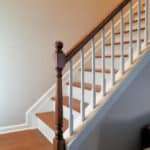
Stairs are one of the most common places where seniors experience falls, and even a short staircase can feel like a mountain when balance, strength, or vision aren’t what they used to be.
If you’ve ever worried about a loved one, or yourself, losing footing on the steps, that concern is very real.
The good news is that there are many effective stair safety options that can make life easier and safer without necessarily requiring a full renovation.
From simple add-ons to more advanced solutions, you can find an approach that matches both your needs and your budget.
Quick Rundown: Choosing Stair Safety Options That Fit Your Needs
- Reduces fall risk: Handrails, lighting, non-slip treads, and lifts all increase stair safety.
- Different budgets: Solutions range from $20 treads to $60,000 home elevators.
- Match to mobility: Handrails help mild balance issues, while stairlifts or elevators suit major mobility loss.
- Small upgrades first: Adding lighting or grab bars can make an immediate difference.
- Plan long-term: Consider one-level living or elevators if aging in place is the goal.
Now, let’s look at the different stair safety options available and how to choose the ones that best support independence and peace of mind.

Let’s walk through the options so you can figure out what works best for your situation, your home, and your budget.
🔍 Start Here: A Quick Look at Your Choices
| Solution | Best For | Cost | Pros | Cons |
|---|---|---|---|---|
| Handrails (1 or 2) | Most older adults with some balance | $30–$150+ | Inexpensive, easy to install | Not enough alone for major mobility issues |
| Non-slip stair treads | Anyone concerned about slipping | $20–$100 | Affordable, fast fix | Needs periodic replacement |
| Lighting upgrades | Poor vision or dim stairwells | $50–$300 | Boosts visibility and confidence | May require an electrician |
| Grab bars (landings) | Anyone with stability issues on top/bottom steps | $30–$80 each | Adds confidence and support | Limited use—only at top/bottom |
| Stairlifts | Severe joint pain, fatigue, or risk of falls | $2,500–$10,000+ | Allows full access to multi-story homes | Expensive, requires professional installation |
| Home elevators | Wheelchair users or total stair avoidance needed | $25,000–$60,000+ | Ultimate independence and safety | High cost, significant remodel |
| One-level living | Long-term planning or severe mobility issues | Varies | Prevents need for stairs entirely | May involve rearranging home or moving |
| Portable stair climbers | Occasional transport with caregiver help | $1,500–$5,000 | Good for emergencies or appointments | Requires training and a helper |
Download this chart to keep it handy!
🧭 Need Help Deciding?
Let’s make this easier. Use the checklist below to get clarity on what might work for your home.
If stairs are still in use, but feel risky…
✅ Add a second handrail
✅ Apply non-slip treads
✅ Improve lighting
✅ Install grab bars at the top and bottom
If stairs are a growing challenge or source of anxiety…
👉 A stairlift might be the safest next step
👉 Reorganize the home so essentials are on the main floor
👉 Explore stair climbers or ramps if moving is not yet an option
If a walker or wheelchair is now part of daily life…
🚪 A home elevator or one-level living setup will offer more dignity and ease
💡 Talk to a home safety specialist about what makes sense long-term
🛠️ Real-Life Examples
- I had a client, Mr. B, who stopped going to his workshop in the basement because the steps felt too risky. We added non-slip treads and a second handrail, and it made all the difference. He said, “I finally feel safe again.”
- Another family I worked with installed a stairlift for their mother recovering from surgery. She was able to get back upstairs safely during recovery, and later chose to use it only when needed.
- These aren’t just home improvements, they’re ways of saying, “I want you to be safe and stay in your home with confidence.”
💬 Final Thoughts
Choosing the right stair safety option isn’t just about preventing falls, it’s about preserving independence, reducing fear, and giving peace of mind.
You don’t have to do it all at once. And you don’t have to figure it out alone.
If you’re not sure where to start:
🛠️ Find a Certified Aging in Place Specialist or OT near you
You’re doing a good job. And every small step you take today is a big step toward safer, more confident living at home.