Yes, you can often afford to age in place, but only if you understand the real costs, plan for rising care needs, and make safety changes early. Affordability depends on your health, your support system, and the condition of your home.
Quick Rundown: Aging in Place Costs
- Costs: unexpected repairs and care hours add up fast
- Support system: family help lowers long term expenses
- Safety needs: falls raise costs more than any other event
- Home condition: older homes need upgrades for safe aging
- Planning ahead: early action prevents crisis spending
Let’s start with what “affording to age in place” really means.
What Does “Affording to Age in Place” Actually Mean?
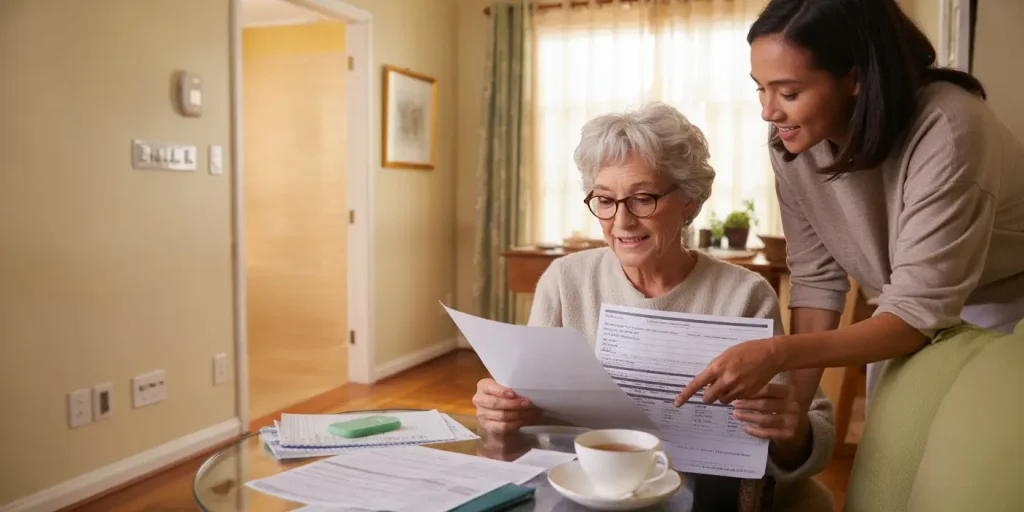
You can afford to age in place when your income, savings, and support match the real cost of living safely at home. This includes care needs, home repairs, medical expenses, and emergency situations.
Most people think aging in place is free because the mortgage is low or there’s no mortgage at all, but that’s not the whole picture.
You still have property taxes, insurance, utilities, and ongoing home maintenance, and those costs never go away. The real expenses happen in the background too, such as home repairs, personal care, and rising health needs.
These surprise expenses are well described in the hidden costs of aging in place article, and they can make or break a long term plan.
How Much Does It Really Cost to Age in Place Each Month?
Aging in place may cost a few hundred dollars or several thousand each month depending on your health and home. Please expect that expenses can grow as care needs increase.
My sweet mom-in-law lived to 102. In the last two years of her life, she needed 24 hour care. Her family decided to keep her aging in place in her assisted living apartment, so they hired round-the-clock nursing support on top of her monthly housing cost. When everything was added together, her care came to almost $26,000 per month.
I know not every family will face a situation like this, but planning for different possibilities early can help you avoid stress, surprises, and difficult decisions later on.
Monthly Cost Snapshot
| Category | Typical Cost |
|---|---|
| Groceries | $400 to $650 |
| Utilities | $200 to $350 |
| Transportation | $150 to $300 |
| Technology & monitoring | $30 to $200 |
| Home maintenance fund | $150 to $350 |
| In home care (per hour) | $30 to $38 |
| Medical supplies | $40 to $120 |
These numbers shift with caregiving hours, home condition, and health changes.
Hidden or Surprise Costs
These often surprise people:
- HVAC or roof failure
- Plumbing repairs
- ER visits
- Medical equipment
- Extra caregiver hours after a fall
- Increased utility bills when someone is home all day
- Deep cleaning or pest control when home hygiene gets harder
- Higher grocery costs due to special diets or delivery fees
- Wheelchair or walker accessibility fixes (widening doors, ramps, flooring repairs)
- Medication changes that add monthly expense quickly
- Transportation costs when driving becomes unsafe
- General inflation, which raises the cost of food, utilities, home repairs, taxes and caregiver wages over time
❓ What is the biggest hidden cost of aging in place?
💬 The biggest hidden cost is recovering from a fall. A single fall can lead to surgery, rehab, and months of extra caregiver hours. This is why home modifications, grab bars, and safe bathrooms save more money than almost any other aging in place expense.
Occupational Therapist Insight: Many families underestimate how quickly the “little things” add up. A small safety change today can prevent thousands in emergency costs later.
Is Aging in Place Cheaper Than Assisted Living?
Aging in place is usually cheaper in the early stages, but the costs rise quickly if you start needing several hours of in home caregiving each day. At a certain point, the total cost of daily caregiver hours can make assisted living the cheaper option.
Cost Comparison Table
| Care Option | Cost |
|---|---|
| Assisted Living | ~$5,350/month |
| Memory Care | $7,500–$10,000/month |
| 4 hrs/day home care | $3,600–$4,500/month |
| 8 hrs/day home care | $7,200–$9,000/month |
source: American Health Care Association
When Aging in Place Costs More
- Mobility declines – More help is needed for bathing, dressing, transfers, and meal prep.
- Dementia progression – Supervision hours increase, and behavior changes often require specialized care.
- Frequent hospitalizations – Each hospitalization often leads to weeks or months of higher caregiver hours.
- Caregiver burnout – Families most often eventually need to hire help or increase paid care, which raises costs.
- Increased in-home care hours – Moving from 2 hours a day to 6–8 hours a day quickly surpasses assisted living costs.
- Nighttime safety concerns – Wandering, falls, or insomnia often require overnight caregivers, which are more expensive.
- Complex medical needs – Wound care, medication management, catheter care, or oxygen therapy may require skilled nursing.
- Home becoming unsafe – As strength declines, you may need new modifications, repairs, or adaptive equipment.
- Lack of local support – If friends or family move away, paid care must fill in the gaps.
- General inflation – Caregiver rates, groceries, utilities, and home repair costs often rise over time, even on fixed incomes.
If you’re unsure how to budget for these rising needs, the how to pay for aging in place guide walks through financial tools and strategies that can help.
❓ Is aging in place really cheaper than assisted living in the long run?
💬 Aging in place is cheaper in the early years, but costs rise as daily care hours increase. If you start needing six to eight hours of help each day, the total can match or exceed assisted living prices. The long term cost depends on your health, your home safety, and how much support you have around you.
What Home Modifications Do You Need to Age in Place Safely?
You may need modifications that prevent falls, improve access, and reduce daily strain. These upgrades save money long term by lowering injury risk.
Average Home Modification Costs
| Modification | Cost Range |
|---|---|
| Walk in shower | $8,500 to $22,000 |
| Full bathroom remodel | $18,000 to $50,000 |
| Ramps | $4,000 to $12,000 |
| Door widening | $1,200 to $2,500 |
| Grab bars | $150 to $350 each |
| Non-slip flooring | $2,000–$7,000 depending on square footage |
| Exterior lighting | $150–$800 |
| Stair railings | $500–$2,000 |
| Comfort height toilet | $300–$800 |
| Bidet toilet seat | $250–$1,200 |
| Handheld showerhead | $50–$200 |
Small Modifications, Big Impact
- Grab bars prevent bathroom falls
- Lighting upgrades reduce nighttime accidents
- Lever handles help weak hands and arthritis
- Handheld showerheads make bathing safer
- Non-slip mats lower shower and kitchen risk
Why These Save Money
Falls are the biggest driver of long term costs. A single fall can lead to surgery, rehab, and hours of daily care.
Can Medicare, Medicaid, or Insurance Help Pay for Aging in Place?
Medicare does not pay for long term care, daily help, or most home modifications. This is the most common misunderstanding families have.
What Medicare Covers
- Short term skilled care
- Limited home health
- Durable medical equipment
What Medicare Does Not Cover
- Long term care
- Home modifications
- Housekeeping
- Personal care
- Companionship
If you’re searching for ways to bridge these gaps, the how to pay for aging in place article explains financial options that many families overlook.
Does Medicare pay for Bathroom Grab Bars? No!
❓ Does Medicare pay for caregivers who help with bathing, cooking, or cleaning?
💬 No, Medicare does not pay for home health care services like daily caregiving, bathing help, meal prep, or housekeeping. Medicare only covers short term skilled care and certain medical needs. This is why families often plan ahead by using caregiving budgets, Medicaid waivers, or community support programs.
Are There Programs That Help Pay for Home Modifications?
Yes, several national and local programs help older adults pay for accessibility changes.
Financial Assistance Resources
- HUD Home Improvement Loans
- USDA Rural Repair Program
- State Assistive Technology Programs
- Local Aging Agencies (AAA/ADRC)
- LIHEAP for energy costs
- Medicare Advantage home safety benefits
How Much Does In-Home Care Cost in Your Area?
In home care usually costs $30 to $38 per hour depending on your zip code. Skilled nursing costs more.
If you want to see the real numbers for your state or even your zip code, you can check current prices on WhatCareCosts.com. It’s one of the most reliable tools I use to compare home care, assisted living, and nursing home costs across the country.
What If You Don’t Have Family Nearby, Can You Still Age in Place?
Yes, but the costs are higher because you must pay for support that family usually provides.
For solo agers, monitoring devices can help you stay safe without needing someone in the home all day. Systems like CheckinBee, HomeSight by Vantiva, Hello Everyday, and Simplitend use motion sensors, daily check-ins, or simple home monitoring to alert someone if something seems wrong.
These tools give you more independence and can lower caregiving costs by reducing the need for constant in-person supervision.
Solo agers who feel financially stretched might also explore the affordable housing for seniors guide for additional relief options, especially if downsizing becomes necessary.
What Role Does Technology Play in Affordable Aging in Place?
Technology helps prevent emergencies and provides reminders, but it cannot replace caregivers.
❓ Can technology replace the need for in-home caregivers?
💬 No, technology can support your safety but cannot replace hands on help. Smart sensors, fall detection, and medication reminders reduce emergencies, but they cannot assist with bathing, dressing, mobility, or meal prep.
Should You Use Home Equity to Afford Aging in Place?
Home equity can help you stay safe, but you must understand the tradeoffs. For some older adults, a reverse mortgage can give extra money each month to help pay for home care or safety upgrades.
But it’s not the right choice for everyone. Reverse mortgages come with fees, interest, and rules that can lower the amount of equity you leave behind for your family. They also work best when you plan ahead, not during a crisis.
Are You “House Rich, Cash Poor”? What This Means for Aging in Place
If most of your wealth is tied up in your home, affording care becomes harder. This happens because a home has value, but it doesn’t help with day-to-day expenses like caregiving, groceries, medications, or home safety upgrades.
You can’t use a house to pay for help unless you borrow against it, refinance it, or sell it.
When all your money is locked inside the walls of your home and you don’t have enough cash coming in each month, it becomes difficult to pay for the support you need to age safely at home.
How Do You Build a Realistic Aging-in-Place Budget?
A clear annual budget helps you see if aging in place is sustainable.
If budgeting feels overwhelming, I would strongly recommend that you talk with people who understand this kind of planning, such as a financial planner, a geriatric care manager, or your local Area Agency on Aging.
They can look at your income, your care needs, and your home situation, then help you build a plan that fits your life and your goals.
❓ How can I tell if aging in place is becoming unsafe or too expensive?
💬 Warning signs include falls, missed medications, trouble bathing safely, skipped meals, or unpaid bills. If you need more help than you can afford, or your home repairs keep piling up, it may be time to adjust your plan or bring in more support.
Final Answer, Is Aging in Place Affordable for Most Seniors?
Yes, aging in place can be affordable when you understand the costs, prepare early, and keep your home safe. With the right support and planning, you can stay in the home you love with confidence and peace of mind.