Aging in place is the ideal solution for many older people, as it’s an opportunity to stay in the home they’ve lived in for years and maintain community ties, which are among the key benefits of aging in place.
Staying at home doesn’t mean living life without difficulties. Some of the unique challenges that present when aging in place include:
- Struggling to maintain a clean home
- Having to pay for medical care
- Inability to drive and lack of transportation
- Poor nutrition
- Potential insufficient care
- Medication management
- Social isolation
Aging in place safely starts with a proactive plan that eliminates hazards, enhances accessibility, and preserves your independence at home.
Quick Rundown: Prepare Your Home for Aging in Place, Tips for Seniors
- Remove Hidden Dangers: Replace sharp-edged furniture like glass tables with rounded, sturdy pieces to prevent injuries.
- Declutter Pathways: Simplify rooms by removing excess furniture and décor to make movement easier and safer.
- Improve Stair Safety: Install handrails on both sides or consider ramps and main-floor living to reduce fall risks.
- Boost Visibility: Use bright, even lighting throughout your home to improve visibility and prevent accidents.
- Design for Flexibility: Plan for future needs with adjustable countertops, lever handles, and accessible storage.
- Support Independence: Incorporate smart home devices and accessible layouts that allow you to live confidently and comfortably.
Now that we’ve covered the essentials, let’s dive deeper into how embracing the realities of aging in place can help you stay safe and independent for years to come.
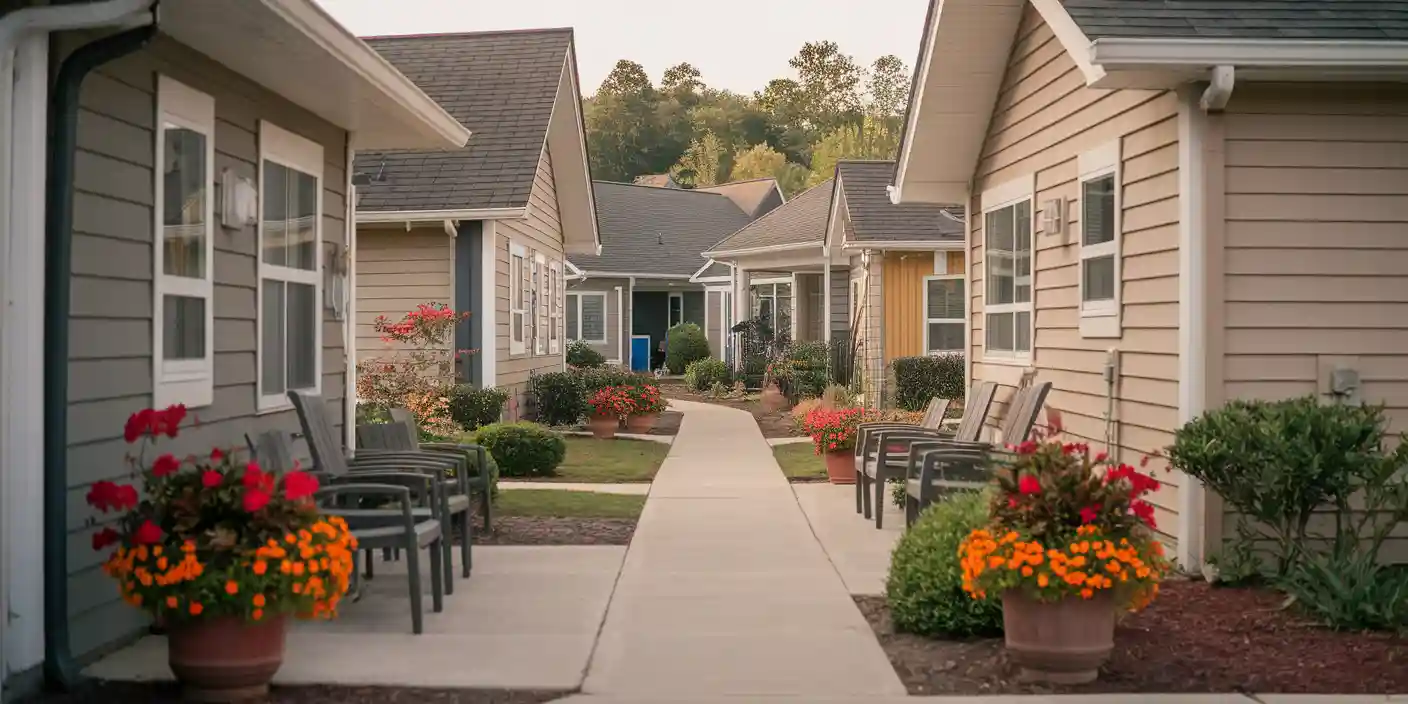
The guidance ahead will help you confidently proceed with your living arrangement, whether it’s an assisted living facility, a nursing facility, or aging in place in your current home.
What Do The Elderly Struggle With At Home?
Besides the difficulties with accessing medical care for this age group, older adults aging in place can also experience hardships in their everyday tasks.
Cleaning
You might feel spry now, but as you get older still, your days of flexibly climbing to dust your light fixtures, bending to mop the floors, folding linens, ironing clothes, carrying laundry baskets, and climbing ladders will be steadily behind you.
Aging in place means the responsibility of keeping your home clean is on you. It’s not only about maintaining appearances, but safety and quality of life.
If you can’t keep up, you create a dangerous living environment. Items can pile up and create tripping hazards, fungi and bacteria can propagate and cause illness, dirt and dust can degrade the air quality, and the fire risk throughout increases.
When you live in an elderly facility with round-the-clock care, you’re never expected to maintain the cleanliness of the place. There are paid staff for that.
Cooking
It might seem impossible to you now that you’ll reach a point where you can’t physically cook, but it can happen sooner than you think.
When you struggle to get around, the prospect of visiting a grocery store or cooking three meals a day can seem exhausting. You might rely on your partner initially, but if they can’t cook anymore either, you may resort to unhealthy choices, like frozen meals and takeout.
This can wreak havoc on your health. Since your metabolism slows in older age, you already have to be more mindful of your diet to stay at a healthy weight. Eating nothing but junk will bump up your weight, increasing your risk of stroke, hypertension, and heart disease.
You can also dip too deeply into your finances when ordering takeout all the time.
If you do try to cook, another severe risk is absentmindedness, especially for the elderly diagnosed with Alzheimer’s disease or dementia. You could put food on the stove or in the oven and completely forget about it, possibly starting a fire.
Remembering To Take Medications
Another area you might experience difficulties with is medication management, especially if you have chronic conditions that require you to take a handful of medications each day at different times.
While countless apps exist to assist with this, if you’re not that tech-savvy, you can feel left behind and unable to capitalize on the value of these apps.
That leaves you to remember to take your medications, as it’s not like you have a doctor or nurse on hand to remind you, like you would at a nursing home or in assisted living. If you have a busy day, you can forget some meds, or get the timing late, which might impact the efficacy.
Not taking your meds can increase your pain and discomfort, but what’s worse is mixing meds or taking them all at once. You could accidentally harm yourself.
Driving
In our later years, driving becomes one of the biggest challenges. This can be due to vision loss, cognitive decline, and other factors.
If you decide it’s too difficult to get behind the wheel, this can leave your transportation options limited, especially if you don’t live in urban areas.
You can take public transportation, like a bus, train, or taxi, but the further you get from populated city centers, the fewer of these options you have. Rideshare services like Lyft and Uber are available, but again, these aren’t as prevalent in rural communities.
Using transportation services can be expensive. You also have to be safe, smart, and conscientious, as you never know who’s driving you.
If you decide to drive when you shouldn’t, you’re at a higher risk of causing an accident, possibly hurting or killing yourself or others.
Home Accessibility
Another struggle for seniors to consider when aging in place is accessibility around their own home.
If you can’t get around from room to room or up the stairs because it’s tiring to traverse your house, that gives you a limited radius.
Unless your current residence consists of single-floor living, you might consider moving your bedroom downstairs and possibly investing in home modifications, such as grab bars or a mechanical stair lift to help you up and down staircases.
Following aging in place design principles can help make your home safer and more accessible from the start.
What Is The Best Way To Age In Place?
None of this is to say that aging in place happily and healthily is impossible. Quite the contrary! It requires laying down some ground rules and preplanning for the above challenges so they don’t disrupt your quality of life.
Before implementing these solutions, assess whether aging in place is realistic for your situation based on your health, finances, and available support.
Here’s how.
Find Reliable Transportation
Whether you hire a driver, or your adult child offers to chauffeur you around, you need affordable, dependable transportation to ensure you can get to the pharmacy, doctor’s office, hospital, or bingo hall on time.
Look Into Housekeeping Services
You don’t have to shoulder the burden of house care alone. Hiring a housekeeper, although not low-cost, relieves you of that responsibility. You can enjoy a clean house and maintain your health.
Understanding how to pay for aging in place services like housekeeping can help you budget effectively.
Bring Healthcare To You
Family caregivers, a home health aide, nurse, or caretaker who stops by daily to ensure you take your medications, check your health conditions, and administer treatments and services will keep your health a priority while allowing you to remain in your home.
This is also a good way to incorporate some social interaction into your daily life.
Keep In Touch With The Community
Rather than visit your friends and family, invite them over to your place. Your home will certainly be clean enough for it. You can also call and use FaceTime, Amazon’s Echo Show, or another video call service to see your loved ones even when you can’t be in the same room.
Maintaining these social connections provides significant mental health benefits of aging in place that shouldn’t be overlooked.
Consider A Meal Plan Or Meal Delivery
Control your diet by using a senior meal delivery or meal plan service. You’ll eat healthier than you would if you existed on takeout and frozen food but you won’t have to take care of the cooking yourself.
Put Medical Alert Systems In Place
We’ve all seen the commercials about the poor person who has fallen and can’t get up, but that can easily be a reality if you live alone. Getting a medical alert device will give you and your loved ones peace of mind and could mean the difference between life and death in some situations.
While these challenges exist, the emotional benefits of remaining in a familiar environment often outweigh the difficulties for many seniors.
Planning and preparing your home for the future is what will help to minimize these and other challenges that you may face going forward. So, I encourage you to do your due diligence and take control of your life and your future.


