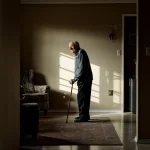
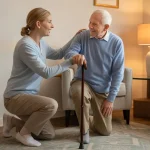
Slips and falls can change a senior’s life in an instant, often leading to injuries that affect independence and confidence. Understanding the causes of slips and falls, and how to prevent them, is key to creating a safer daily routine and a secure home environment.
Simple awareness and preparation go a long way toward reducing risks.
The challenge is that slips and falls don’t always happen where you expect. Wet floors, poor lighting, or even the wrong pair of shoes can quickly turn into a dangerous situation. The encouraging news is that with practical safety steps, these risks can be lowered significantly.
Quick Rundown
- Slips and falls are a leading cause of injury for seniors, often preventable.
- Common causes include wet floors, loose rugs, poor lighting, and unsafe footwear.
- Simple changes like adding grab bars, non-slip mats, and better lighting reduce risks.
- Staying active with balance and strength exercises improves stability.
- Awareness and preparation help seniors stay safe at home and in the community.
With these basics in mind, let’s take a closer look at what causes slips and falls in seniors and the most effective steps to prevent them.
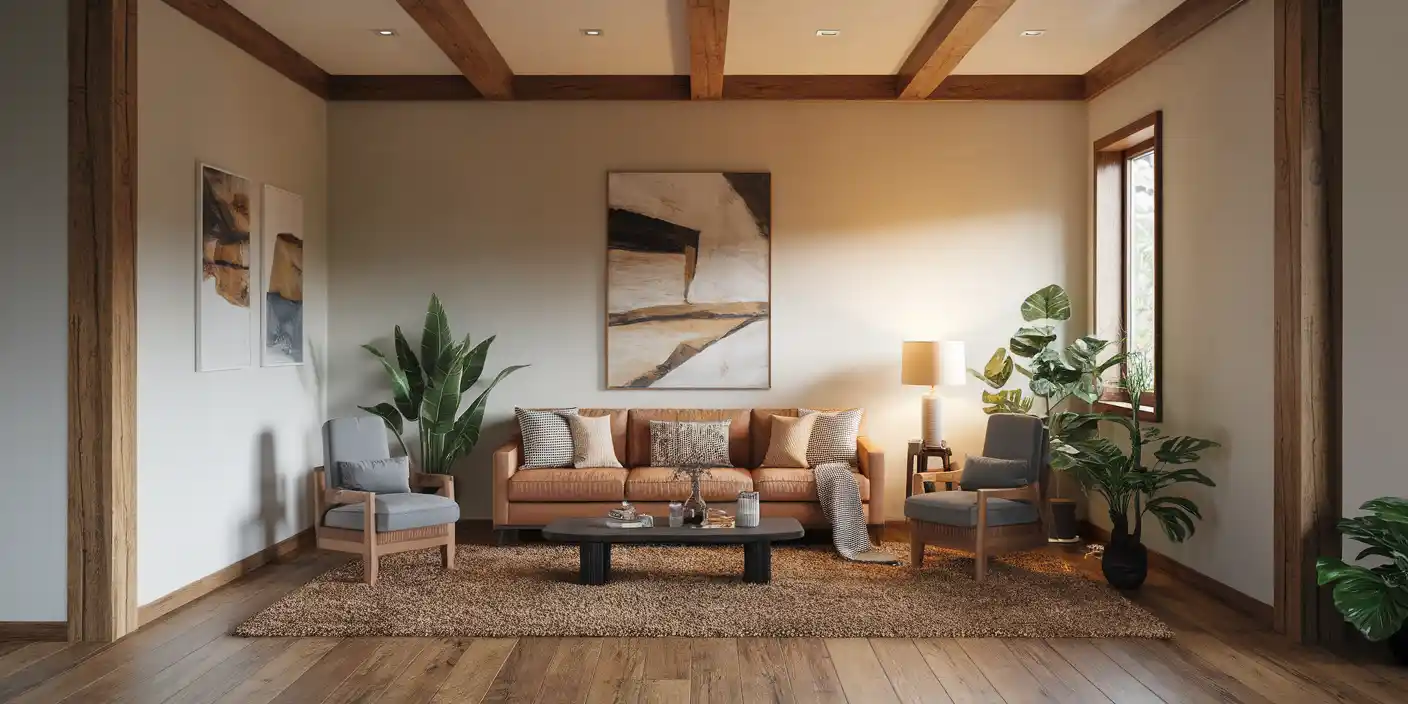
A Personal Story: Making a Difference One Home at a Time
Before we get into the nitty-gritty of slip protection, let me share a story from my days as an Occupational Therapist. I once worked with a lovely 78-year-old lady named Margaret. She’d fallen three times in her home in a span of six months and was terrified of losing her independence.
Honestly, many of my patients were just like Margaret. (As far as the fear of losing their independence, I mean.)
When I first visited Margaret’s home, I noticed several hazardous conditions right away – loose rugs, poor lighting, and a bathroom that was a fall risk waiting to happen.
We spent a few weeks focusing on hazard removal and implementing safety measures: securing rugs, installing grab bars, and rearranging furniture to create clear pathways.
The transformation in Margaret was incredible. Not only did we achieve significant risk reduction, but she also regained her confidence.
She told me, “I feel like I’ve got my life back!” It’s moments like these that remind me how much of a difference simple changes can make in senior care and aging in place.
The Scary Truth About Falls
Now, let’s look at just how common falls are among older adults:
- Falls are the leading cause of injury for folks 65 and older.
- Over 14 million, or 1 in 4 older adults, report falling every year.
- More than one out of four older people falls each year, but less than half tell their doctor.
- Falling once doubles your chances of falling again.
- Source: CDC.com
What’s even more alarming is that falls are on the rise. In just four years, the number of falls among older adults jumped from about 29 million to 35.6 million. That’s a whopping 22.76% increase!
Why Are We Falling?
So, what’s causing all these tumbles? Here are the usual suspects:
- Cluttered walkways
- Poor lighting
- Loose rugs or carpets
- Slippery bathroom surfaces
- Uneven flooring
- Effects of medication
- Certain chronic illnesses
- Inappropriate shoes (i.e. open-back or ill fitting shoes)
- Slippery steps and/or lack of handrails
- Risky activities (i.e., using a chair vs a step ladder)
These might seem like small potatoes, but for an older adult with declining balance and coordination, they can spell disaster.
Simple Changes, Big Impact
The good news? Many of these hazards can be fixed with simple home modifications. Here’s a room-by-room guide to make your home safer:
Living Room
- Remove clutter and focus on de-cluttering
- Secure loose rugs with double-sided tape
- Improve lighting, especially in walkways
- Arrange furniture to create clear pathways
Kitchen
- Keep frequently used items within easy reach
- Use a sturdy step stool with a handrail for hard-to-reach items
- Clean up spills immediately to prevent slippery floors
Bathroom
- Install grab bars near the toilet and in the shower
- Use non-slip mats in the shower and on the bathroom floor
- Consider a raised toilet seat with armrests
Bedroom
- Keep a lamp within easy reach of the bed
- Clear a path from the bed to the bathroom
- Consider a bed rail for extra support when getting in and out of bed
Stairs
- Ensure there are handrails on both sides of the stairs
- Make sure stairways are well-lit with switches at both top and bottom
- Consider adding non-slip treads to steps
Gadgets and Gizmos That Can Help
Sometimes, a little extra help from specialized products can go a long way in injury prevention. Here are some items worth considering:
- Non-slip socks or shoes for indoor use
- Raised toilet seats with armrests
- Shower chairs or transfer benches
- Bed rails for easy and safe transfers
- Walkers or canes for added stability
- Long handled grabbers
- Voice activated devices like Alexa to control appliances with voice.
- Timers on lights and/or motion sensor lighting
My mom-in-law fell a few times in her condo and each time happened when she bent down to try to pick up something from the floor. So, I gave her a long-handled grabber and that helped.
Remember, these products aren’t signs of weakness, but tools for maintaining independence and safety.
Health and Wellness: Your Secret Weapon Against Falls
Now, here’s something you might not have thought about – your overall health plays a big role in preventing falls.
As I mentioned earlier, chronic illnesses like low blood pressure, heart disease, glaucoma and dementia (just to name a few) can greatly increase the chances of falling.
Here are some tips to keep you steady on your feet:
- Get regular check-ups, including vision and hearing tests
- Review your medications with your doctor – some can cause dizziness
- Stay active with balance training and strength exercises
- Eat a healthy diet rich in calcium and vitamin D for strong bones
Be aware of the early warning signs of mobility issues.
Outdoor Fall Prevention: Don’t Forget the Great Outdoors!
We’ve talked a lot about indoor safety, but what about when you step outside? Here are some tips to keep you safe in your yard and beyond:
- Keep walkways clear and well-lit
- Repair uneven surfaces in your yard
- Use salt or sand on icy surfaces in winter
- Wear sturdy shoes with good traction
- Use raised garden beds (if you garden)
- Wear proper footwear that fit properly
- Use sunglasses to reduce glare
- Always carry a cell phone or medical alert device
When to Seek Professional Help
Sometimes, it’s best to call in the experts. My patient Margaret did just that and I was so very pleased to be able to help her to live a more comfortable and safe life.
Speak to your physician about a referral to an Occupational and Physical therapist.
Consider a professional home safety assessment if:
- You’ve had a recent fall or near-fall
- You’re experiencing changes in your balance or mobility
- You’re making significant changes to your home
These professionals can provide personalized recommendations to make your home as safe as possible.
The Bottom Line
Can simple changes prevent slips and falls at home? Absolutely!
With a bit of awareness, some strategic home modifications, and the right tools, you can significantly reduce the risk of falls and create a safer living environment for yourself or your loved ones.
Remember, fall prevention isn’t just about avoiding injuries – it’s about maintaining independence, confidence, and quality of life. So why wait? Start making those simple changes today and step confidently into a safer tomorrow.