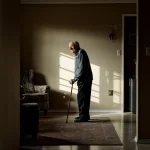
I know how discouraging it can feel when a hobby that once brought joy suddenly feels risky or overwhelming.
Crafting should be relaxing, but cluttered tables, poor lighting, or hard-to-reach supplies can quickly turn it into a safety concern, especially if you or your loved one are already navigating balance issues, arthritis, or vision changes.
Here’s the good news: creating a safe crafting area doesn’t mean giving up creativity.
With a few thoughtful adjustments, you can transform any space into a comfortable, hazard-free zone where projects feel fun again instead of stressful.
Quick Rundown: Safe Crafting Areas for Seniors, Creative Spaces Without the Risks
- Good Lighting Matters: Bright, even lighting reduces eye strain and helps prevent accidents with tools and materials.
- Stable Seating: Chairs with arms and firm support make it easier for seniors to sit and stand safely.
- Clutter-Free Surfaces: Clear tables and organized supplies minimize the risk of spills, trips, or frustration.
- Non-Slip Flooring: Rugs with grips or slip-resistant mats protect against falls in crafting areas.
- Easy-to-Reach Storage: Shelves, bins, and carts at waist height prevent bending, stretching, or straining.
- Ventilation Counts: Good airflow keeps air safe when using paints, glues, or other scented materials.
With that foundation in place, let’s walk step by step through the most important safety tips to keep in mind when setting up a crafting area for seniors.

Why Crafting Matters for Seniors
Cognitive and Emotional Benefits
Crafting isn’t just a fun activity. It’s one of the best ways to improve cognitive stimulation and support emotional well-being. I’ve worked with older adults who lit up with joy after finishing a scrapbook or painting.
For some, it helped with memory enhancement. For others, it brought peace and reduced stress.
Simple, hands-on projects can improve hand-eye coordination, boost mood, and even support neuroplasticity. It can also give seniors a sense of accomplishment, helping them feel capable and valued.
Truthfully, there are so many wonderful benefits of crafting for seniors!
Social Benefits
Crafting can also be a bridge to connection. When seniors participate in group activities or intergenerational bonding through crafts, they build relationships and reduce loneliness.
Whether it’s a family project or a virtual class with friends, shared creative time helps create memories and support.
❓ What if my loved one doesn’t want to participate in crafts?
💬 Start by finding out what they enjoyed doing in the past. Sometimes it helps to offer simple options or to sit down and start something yourself. When they see you doing it, they may join in without pressure. Make it social and light-hearted.
Create a Safe, Adaptable Crafting Environment
Start with a Safe and Comfortable Setup
When I helped a client turn her spare room into a crafting nook for her mom, the first things we added were good lighting and ergonomic seating.
A well-lit, clutter-free workspace with a sturdy table and chair is also essential. Here is a short checklist of what we incorporated into that room.
- Bright, adjustable task lighting to reduce eye strain
- Non-slip mats or rugs to prevent falls
- Accessible storage bins for keeping supplies within reach
- Adjustable tables or trays for seated crafting
- Chairs with cushions and armrests to support posture
✅ Pro Tip: Add foam tubing grips to small tools like pencils or paintbrushes to make them easier to hold.
Use Safe, Senior-Friendly Crafting Tools
- Blunt-tip scissors
- Easy-grip handles on brushes and pencils
- Non-toxic adhesives like glue sticks or washable glue
- Pre-cut shapes for those with arthritis or tremors
- Lightweight materials to reduce fatigue
Always check labels for allergy warnings, and keep a first aid kit close by, just in case.
❓ What should I do if my loved one has allergies to glue or paint?
💬 Choose hypoallergenic, non-toxic adhesives, and consider alternative supplies like tape or stick-on decorations. Always read product labels and keep the crafting area well-ventilated.
In assisted living, I once watched a woman struggle with tiny, sharp scissors. From then on, I always used tools made for seniors, like:
Make Crafts Accessible for All Abilities
Help Seniors with Limited Mobility
One of my clients had arthritis in both hands, but she still wanted to craft. We set her up with:
- Foam brushes instead of small paintbrushes
- Projects like clay stamping and sponge painting
- A lap tray and lightweight tools
- Frequent breaks and the option to stretch
✅ Pick projects that use broad hand movements instead of fine motor skills. Make it relaxing, not tiring.
Support for Visual Impairments
If your loved one struggles with vision loss:
- Use high-contrast materials (black paper with white chalk, bold colors)
- Add magnifying glasses or wearable magnifiers 👓
- Provide voice-guided instructions or read directions out loud
- Position lighting to avoid glare
Tactile projects like fabric art or textured collages can also help those with limited sight stay engaged.
❓ Can seniors with dementia safely enjoy crafting?
💬 Yes, absolutely. Just choose simple, repetitive activities that don’t require following complex instructions. Use safe materials and offer close support. Even just tearing paper or arranging colors can be soothing and meaningful.
Choose the Right Craft Ideas
Senior-Friendly Craft Project Ideas
You don’t have to reinvent the wheel. These simple, creative ideas are great for most ability levels:
Low-Dexterity Craft Ideas
Crafts for Cognitive Support
- Scrapbooking family memories
- Beaded necklaces with large beads
- Coloring pages with bold designs
- Paint-by-number sets
Social Crafts to Do Together
- Holiday crafts as a group
- Clay modeling with grandkids
- Knitting circles (using arthritis-friendly tools)
✅ Let your loved one help choose the craft. When they feel included, they’re more likely to enjoy and finish the activity.
Preventing Risks and Encouraging Comfort
Common Crafting Risks to Watch For ⚠️
- Allergic reactions to glue, paint, or fiber materials
- Poor posture or sitting too long without support
- Overexertion or tired hands
Make sure supplies are labeled, seating is comfortable, and the activity includes plenty of time for rest. Keep the experience positive and flexible.
❓ Is there a good time of day to plan crafting activities?
💬 Many seniors feel more alert and focused earlier in the day. Try mid-morning or early afternoon, and avoid crafting close to meal times or when they’re tired.
Final Thoughts: You’re Helping Them Feel Seen
You’re not just setting up a craft table. You’re creating a place for creativity, connection, and healing. You’re giving your loved one the tools to express themselves, stay mentally sharp, and feel proud of what they can still do.
Crafting doesn’t have to be perfect. It just has to be safe, simple, and supportive. And you? You’re doing something beautiful.
So go ahead, set up that corner, lay out the paper and glue, and watch the smiles come back.