Caring for an aging parent or loved one who lives alone can bring peace of mind one day and worry the next. You may ask yourself: How can I make sure they’re safe without intruding on their independence?
Thankfully, there are many ways to monitor seniors living alone, from simple daily check-ins to smart technology that alerts you if something seems off. These solutions help you strike a balance between safety and respect for your loved one’s dignity.
Quick Rundown: Smart and Compassionate Ways to Monitor Seniors Living Alone
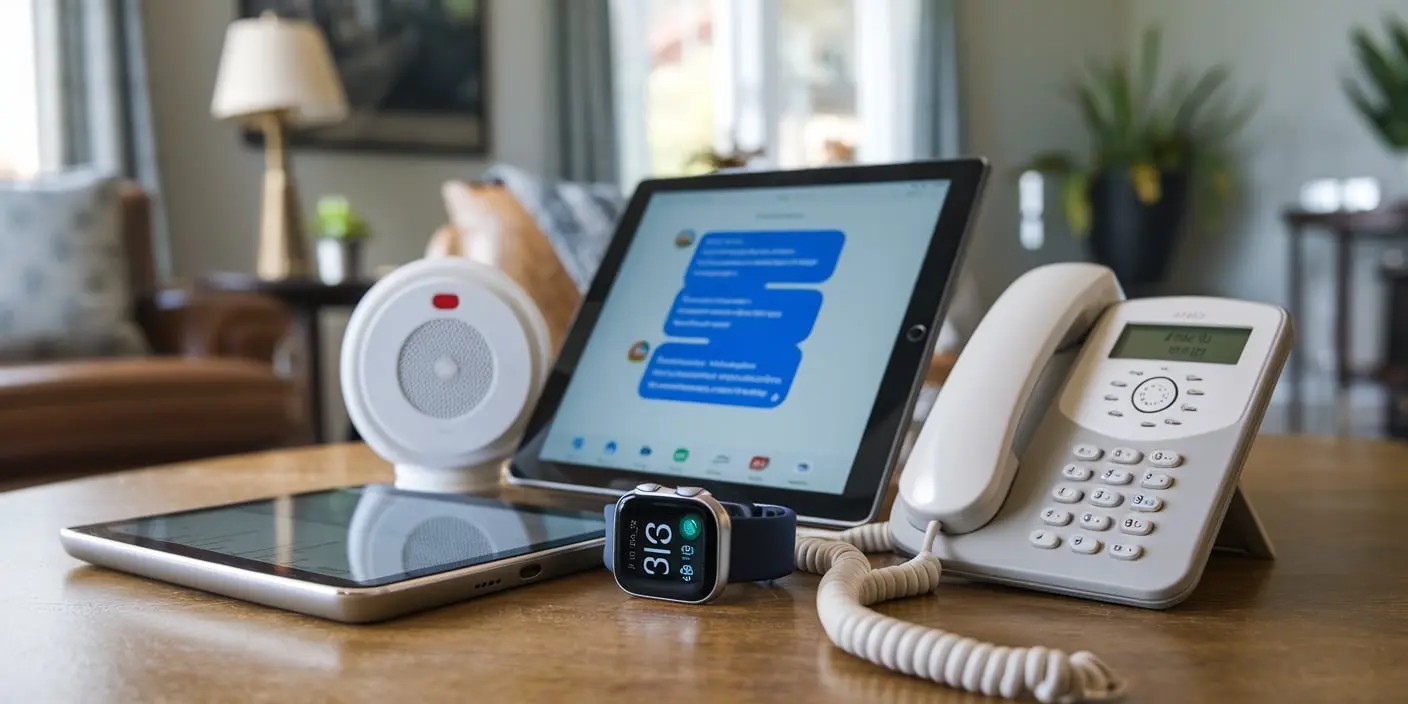
- Use Discreet Technology: Smart sensors, cameras, and wearable devices can track activity without invading privacy.
- Set Up Emergency Alerts: Medical alert systems and fall detectors provide immediate help when something goes wrong.
- Stay Connected Daily: Video calls, voice assistants, and automatic check-in apps make it easy to maintain regular contact.
- Monitor Health Changes: Smartwatches and connected devices track vital signs, sleep, and mobility trends to spot early warning signs.
- Balance Safety With Independence: Choose systems that empower seniors to live freely while keeping caregivers informed.
- Collaborate With Professionals: Some home monitoring services link directly with healthcare teams for real-time support.
With these options in mind, let’s look at the best strategies for monitoring seniors living alone so you can choose the right mix of tools and support.
Understanding the Needs of Seniors Living Alone
Assessing Individual Needs
Before choosing monitoring tools, it’s important to understand your loved one’s specific needs. Consider their health concerns, physical limitations, and daily living challenges.
- Are they struggling with mobility or managing medications?
- Are they experiencing loneliness or isolation?
- Are they showing signs of cognitive decline?
- Are they losing weight due to poor dietary decisions, or forgetting to eat?
- Are they falling for scams?
- Are they neglecting self care, home maintenance, etc?
Understanding these needs will help you choose the best solutions.
Common Risks for Seniors Living Alone
Seniors living alone face several risks that you need to be aware of:
- Falls and Injuries: Falls are a leading cause of injury among seniors. Ensuring their home is safe and monitoring their activity can reduce the risk.
- Medication Mismanagement: Forgetting to take medications or taking the wrong dose can have serious health consequences.
- Social Isolation and Depression: Seniors living alone are more susceptible to loneliness, which can lead to depression and other health issues.
- Falling for Scams: Seniors living alone are often targeted by scammers through phone calls, emails, or even in-person visits. These scams can lead to significant financial losses and emotional distress. Educating your loved one about common scams and setting up safeguards, such as call blockers and monitoring financial activity, can help protect them.
- Cognitive Decline: Cognitive issues, such as memory loss or confusion, can make it difficult for seniors to manage daily activities safely. Monitoring for signs of cognitive decline and taking steps to address these issues can help prevent accidents and ensure their well-being.
- Poor Nutrition: Seniors living alone may struggle with maintaining a balanced diet due to physical limitations, cognitive decline, or lack of interest in cooking. Poor nutrition can lead to health complications, so it’s important to monitor their dietary habits and ensure they have access to healthy meals.
- Household Hazards: Household hazards, such as clutter, poor lighting, or unsafe furniture, can increase the risk of falls and injuries. Regularly inspecting the home for potential hazards and making necessary modifications can help keep your loved one safe.
Monitoring Tools for Seniors Living Alone
Technology-Based Monitoring Tools
Medical Alert Systems
Medical alert systems are one of the most effective technology tools for monitoring seniors living alone. These systems often come with wearable devices that can be used to call for help in an emergency.
- Features of Medical Alert Systems: Many systems include features like fall detection, GPS tracking, 24/7 emergency response, and even caregiver alerts that notify you if your loved one has pressed the help button. Some systems also offer automatic fall detection, which can be crucial if your loved one is unable to press the button after a fall.
- Benefits of Using Medical Alert Systems: These systems provide peace of mind for both you and your loved one, knowing help is just a button press away. They also enable quick response times, which can significantly reduce the severity of injuries or complications from falls or other emergencies. Additionally, medical alert systems can help seniors feel more confident about living independently.
Pro Tip: How do you choose the best medical alert system? Look for one with fall detection, easy-to-use buttons, reliable customer support, and consider whether the device offers two-way communication for added convenience and reassurance.
Read more about medical alert devices here.
Smart Home Devices for Safety
Smart home devices can help keep your loved one safe while allowing you to monitor their environment.
- Motion Sensors and Door Alarms: Motion sensors can alert you if there’s unusual activity, and door alarms can notify you if your loved one leaves the house unexpectedly.
- Smart Locks and Cameras for Security: Smart locks allow you to remotely control access to the home, while cameras help you visually check in when needed.
Pro Tip: Are smart home devices difficult to install? Many smart home devices are designed for easy installation, and some come with professional installation services. If you need assistance, consider hiring a professional such as an electrician, a home security technician, or a certified smart home installer. These professionals can ensure that the devices are installed correctly and work seamlessly with your home’s existing systems.
Health Monitoring Devices
Wearable health trackers and remote monitoring systems can provide valuable insights into your loved one’s health.
- Wearable Health Trackers: Devices like smartwatches can track heart rate, steps, and sleep patterns, helping you stay informed about their well-being.
- Remote Monitoring Systems for Vitals: These systems can monitor vital signs such as blood pressure and glucose levels, sending alerts if anything is out of range.
Pro Tip: Do wearable devices require internet access? Yes, most wearable health devices require an internet connection to send data to your phone or computer.
More information here about remote monitoring solutions for family caregivers.
Home Alarm Systems
Installing a home alarm system can provide an additional layer of safety for seniors living alone, offering peace of mind for both them and their family members. These systems are designed to detect intrusions, smoke, and other emergencies, ensuring quick response times if something goes wrong.
Benefits of Home Alarm Systems
Home alarm systems are especially beneficial for seniors who may not react quickly in an emergency. With features like immediate alerts to emergency services or caregivers, these systems can help prevent minor issues from becoming serious.
- Intrusion Detection: Motion sensors, door and window alarms, and glass break detectors provide security from intruders, alerting both the senior and designated contacts if there’s an unexpected entry.
- Fire and Carbon Monoxide Alarms: Many home alarm systems include smoke and CO2 detection, sending out alerts to local emergency responders and caregivers in case of fire or harmful gas exposure.
- Two-Way Communication: Some systems come with two-way communication, allowing seniors to communicate directly with emergency responders if they feel threatened or need assistance.
Choosing the Right Home Alarm System
When selecting a home alarm system, consider the specific needs of your loved one and the level of protection they require.
- Ease of Use: Look for systems with simple interfaces that seniors can operate comfortably. Systems with wearable panic buttons may offer added convenience.
- 24/7 Monitoring Services: Many alarm systems offer professional monitoring services that are available around the clock, ensuring someone is always available to respond to emergencies.
- Remote Access: Some alarm systems allow caregivers to monitor and control the system remotely through a smartphone app, providing real-time notifications and the ability to check on their loved one’s safety at any time.
For seniors who may feel uncomfortable with intrusive security measures, try to discuss the benefits of an alarm system by focusing on how it supports their independence and safety without being too restrictive.
Starting with basic features, like a door alarm or smoke detector, may also help ease them into the idea of additional security.
Pro Tip: Are there alarm systems specifically designed for seniors? Yes, some companies offer alarm systems tailored for seniors, including features like wearable panic buttons, fall detection, and medical alert options. These systems are often easier to use and focus on both security and health monitoring.
Non-Technology-Based Monitoring Solutions
Regular In-Person Visits
Regular visits are an important part of monitoring your loved one’s well-being.
- Creating a Visiting Schedule: Develop a visiting schedule that works for both you and your loved one. Consistent visits help ensure they are safe and provide valuable social interaction.
- Importance of Face-to-Face Interaction: In-person visits help you observe their condition firsthand and address any concerns that may not be noticeable over the phone.
Pro Tip: What if you can’t visit regularly? Consider hiring a trusted caregiver or asking neighbors to help check in on your loved one.
Community and Local Resources
Utilizing community resources can make monitoring easier and more effective.
- Using Volunteer Organizations: Many communities have volunteer programs that provide companionship and support for seniors.
- Neighbors and Friends as Support Network: Building a network of neighbors and friends can help provide additional eyes and ears, especially during times when you can’t be there.
Pro Tip: How can you ask neighbors for help without being intrusive? Approach neighbors you trust and explain your concerns. Oftentimes, they are happy to help if they understand the situation.
Practical Tips for Effective Monitoring
Establishing a Routine
Creating a routine helps both you and your loved one feel more secure.
- Daily Check-In Calls: A quick call each day can provide reassurance and allow you to identify any issues early.
- Setting Up Medication Reminders: Use a pill organizer or smartphone app to remind your loved one to take their medications on time.
- Using Alexa’s Drop-In Skill: Alexa’s Drop-In skill allows you to connect directly to your loved one’s Alexa device without them needing to answer. This feature is particularly helpful if your loved one forgets to answer calls, as it lets you check in easily.
Pro Tip: What if your loved one forgets to answer calls? Consider using video calls, Alexa’s Drop-In skill, or automatic reminder devices to ensure they stay on track.
Emergency Preparedness
Being prepared for emergencies can save lives.
- Creating an Emergency Contact List: Make sure your loved one has an easily accessible list of emergency contacts, including neighbors, friends, and medical professionals.
- Training Seniors on Using Emergency Devices: Ensure they know how to use medical alert devices or smart home systems in case of an emergency.
Pro Tip: How can you make sure emergency contacts are up to date? Regularly review and update the contact list, especially after any major life changes.
Balancing Independence and Safety
Respecting Seniors’ Privacy
It’s essential to respect your loved one’s privacy while ensuring their safety.
- Encouraging Participation in Decision-Making: Involve your loved one in decisions about monitoring tools and methods. This helps them feel in control of their own life.
- Finding a Balance Between Oversight and Autonomy: Use tools that allow monitoring without being intrusive, like motion sensors instead of cameras in private areas.
Pro Tip: How do you discuss monitoring without making your loved one feel uncomfortable? Focus on the benefits, such as increased safety and independence, rather than the need for supervision.
Encouraging Social Interaction
Staying socially engaged is crucial for your loved one’s emotional well-being.
- Connecting with Community Groups: Encourage your loved one to participate in local senior centers or community activities.
- Using Technology to Stay Socially Engaged: Video calls and social media can help your loved one stay connected with family and friends.
Pro Tip: What if your loved one isn’t comfortable with technology? Offer to teach them or find community classes that can help them get familiar with using technology.
Final Thoughts
Monitoring seniors living alone can be challenging, but with the right tools and tips, you can help keep your loved one safe while respecting their independence.
From technology-based solutions like medical alert systems to non-technology-based methods such as regular visits and community support, there are many ways to ensure their well-being.
Remember, the goal is to enhance safety while allowing your loved one to maintain as much independence as possible.
Choose the tools that work best for your situation, and don’t hesitate to reach out for help when needed.