Losing a spouse is one of the hardest transitions in life, and when it’s followed by living alone, the challenges can feel overwhelming. Elderly widows living alone often face not just grief, but also loneliness, safety concerns, and the stress of managing a household alone.
The good news is that there are many ways to make this season of life safer, more connected, and more fulfilling. With the right support and resources, widows can maintain independence while also nurturing emotional well-being.
Quick Rundown: How Elderly Widows Living Alone Can Stay Safe, Supported, and Emotionally Strong
- Prioritize Emotional Well-Being: Grief can be overwhelming, stay connected through support groups, friends, or counseling.
- Build a Daily Routine: Structure brings comfort and purpose, helping fill the quiet spaces left after loss.
- Strengthen Home Safety: Install grab bars, add brighter lighting, and use personal alarms for peace of mind.
- Stay Socially Engaged: Join community centers, faith groups, or hobby clubs to rebuild a sense of belonging.
- Seek Help When Needed: Use local senior programs for transportation, meals, and companionship to stay independent.
- Plan Ahead Confidently: Update finances, wills, and emergency contacts to ensure security and reduce stress.
Let’s explore these strategies step by step, beginning with the emotional side of adjusting to life after loss.
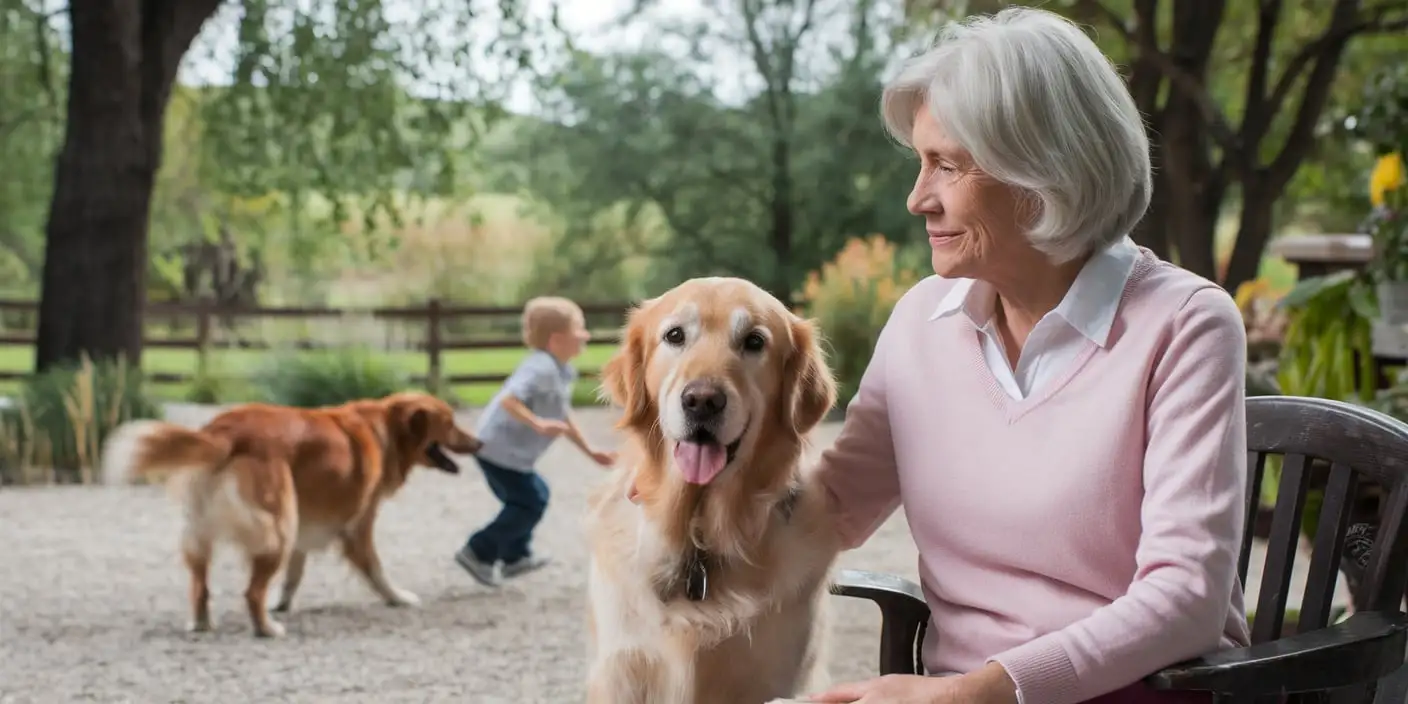
The Reality of Living Alone: Challenges and Opportunities
Living alone can feel lonely, especially after losing a partner. But it can also offer opportunities for personal growth. There are two different ways people often see living alone.
Some feel the harsh reality of loneliness, while others find joy in the freedom of independence.
After my husband passed away, almost 10 years ago, I went into a deep depression and found it impossible to move forward. All the emotions, loneliness, anger, sadness and an incredible feeling of utter loss consumed me.
I have to admit, it took me about 8 years to overcome those feelings and find myself, my independence and my happiness. Yes, you really can be happy after such a traumatic event.
Counseling certainly helped (I waited too long to start that) so I encourage you to begin that process as soon as you can.
Rediscovering Yourself
Re-learning who you are can be one of the most rewarding parts of living alone, even after you lose your spouse. Solitude can allow you to reconnect with yourself, rediscover old hobbies, and find new interests.
The freedom to structure your day however you want can be incredibly empowering. Living alone doesn’t always have to mean being lonely – it can be a chance to find joy in independence and realize that the only person who can truly make you happy is yourself.
Today, when my friends ask me if I am ever going to date again, I tell them I’m enjoying being in charge of the remote just a bit too much! 🙂
Finding Support: You Are Not Alone
Losing a spouse can feel like being cut off from the world. In fact, around 15 million people in the United States alone are widows or widowers, with women making up the majority (source: U.S. Census Bureau, 2023).
But you have to know that you’re not alone. There are many ways to connect with others who understand what you’re going through.
Online Communities and Support Groups
Online communities, like The Sisterhood of Widows, can be powerful sources of support. People share their experiences, fears, and hopes, and others respond with advice, comfort, and even humor.
It can feel like having a global support group right on your phone. Sharing experiences can be incredibly validating, and it helps you realize that there are others who truly understand.
Of course, there are also groups on Facebook and other social media platforms as well.
Building Connections In Person
You can also find support in your local community. Joining a group, like a book club or gardening group, can help you meet new people. Even something simple, like volunteering, can help you feel more connected.
These connections are important for building a strong support network that can help combat loneliness.
Practical Matters: Financial Planning and Safety
After losing a spouse, it’s also important to think about practical matters. Financial challenges can be a big concern, especially for widows who might have depended on their spouse’s income.
My husband always took care of the finances and I was a nervous wreck taking over that job. But with help, I was able to get everything in order. I could not have done it on my own.
Taking a proactive approach to finances can help you stay secure and independent. Working with a financial planner, an elder law attorney, and an accountant can be incredibly helpful.
A financial planner can help you create a long-term plan for managing your money, while an elder law attorney can guide you through important legal matters, such as wills, trusts, and potential benefits.
An accountant can assist with tax issues and ensure that you are making the most of any available deductions or credits. These professionals can help you navigate financial decisions with more confidence and peace of mind.
Proactive Financial Planning
A recent Washington Post article explained that longer lifespans and changing family structures mean more older adults are living alone.
This can lead to financial vulnerability. To avoid this, it’s important to plan ahead. Consider your housing situation, healthcare needs, and look into government assistance programs if you need help.
Safety and Security at Home
Living alone can also bring concerns about safety. But there are many things you can do to feel more secure. Simple steps like making sure your doors and windows are locked, installing a security system, or joining a neighborhood watch program can help.
Knowing your neighbors and having a community of people looking out for each other can make a big difference in feeling safe.
Technology as a Tool for Independence
Technology can be an amazing tool for older adults living alone. Smartwatches with fall detection, GPS tracking, and emergency buttons can provide peace of mind.
Social media and video calls can help you stay connected to loved ones, even if they’re far away. Devices like Alexa, particularly the Echo Show, can also be incredibly useful.
They allow you to make video calls, keep up with the news, set reminders, and even listen to music or audiobooks. Learning to use technology can make a big difference in staying connected and feeling secure.
One thing that I do is to look up a crazy holiday for that day and then text my friends about that holiday. I ask a friend if they are okay with being on this list. The reason I ask is because it comes with some responsibility.
If they don’t get a text from my by 11 am then they have to check up on me. This not only keeps me in touch with my friends, but also makes me feel a little safer knowing that someone (out of the 14 texts I send out) will come to check on me.
Plus, it’s also fun looking up those crazy holidays.
Finding Purpose and Joy After Loss
One of the hardest parts of losing a spouse is finding your purpose again. Widowhood can change how you see yourself, especially if you’ve been part of a couple for many years.
It’s important to reintroduce yourself to yourself and rediscover what makes you happy.
I spent 25 years with my husband and because of his illness I would let him take the reigns on most decisions. That included everything from what we ate to how the house was decorated, etc.
After he died, I didn’t know who I was anymore. I had forgotten what I liked or disliked. It’s crazy to think of how easy it is to lose oneself in a relationship without even realizing it.
Trying New Things
Trying new activities is a great way to find joy again. Some older women are learning to use power tools, which challenges stereotypes and gives them a sense of accomplishment.
Whether it’s learning a new skill, starting a new hobby, or reconnecting with old ones, these activities can help boost your confidence and even introduce you to new friends.
Staying Social
It’s easy to isolate yourself when you’re grieving, but staying social is important. Reach out to friends and family, join community groups, or try volunteering.
These connections can help you feel supported and remind you that you’re not alone.
I make it a point to connect with at least one person a week. That means going out for a walk or a meal or just getting together for some coffee or watch a movie. It took me a long time to be able to do that without falling apart but it’s now a part of my weekly routine.
Try it, I think you’ll like it!
Taking Care of Your Health
To live a happy and fulfilling life after losing a spouse, it’s also important to take care of your physical and mental health.
Staying Active
Staying active can improve your mood, boost your energy, and help you stay healthy. Gentle activities like walking, gardening, or chair yoga can make a big difference.
Exercise can also be a social activity – joining a walking group or a dance class can be a great way to stay fit and make friends.
Seeking Help When You Need It
It’s okay to ask for help. Therapy or grief counseling can be very helpful when you’re going through a tough time. There is no shame in reaching out for support—it takes strength to ask for help when you need it.
I waited too long to get the help I needed, which made my healing process longer and even harder. Seeking out a counselor who has experience with grief and trauma can make a big difference in your journey to healing.
Make no mistake about it, the loss of a spouse is traumatic
Staying Safe and Secure
Feeling safe and secure is an important part of living well after losing a spouse. Make sure your home is secure, and get to know your neighbors.
Remember, building a supportive community is key to feeling safe – it’s not just about what you do alone, but also about looking out for each other.
I personally moved into a community of cluster homes. This means my neighbors are closer, and I have the convenience of walking to restaurants, shops, and other amenities in my neighborhood.
Being in such a community has helped me feel more connected, safe, and supported. It’s important to find a living environment that provides comfort and makes you feel secure, whether that’s being closer to neighbors, having accessible amenities, or simply feeling part of a community.
Choosing the right environment can make a big difference in your quality of life after such a significant change.
Finding Resilience and Hope
One thing that stands out in stories from widows is their resilience. Even after big losses, people can find strength and adapt to new possibilities.
It often comes down to changing your perspective. Instead of seeing widowhood as an end, try to see it as a new beginning – a chance to grow and learn more about yourself.
Be Kind to Yourself
Grief is a process, and there will be ups and downs. It’s okay to feel sad, lonely, or lost sometimes. Be kind to yourself, and let yourself feel those emotions without judgment.
Remember, healing takes time, and it’s okay to lean on others for support.
Finding Joy in a New Chapter
Living a fulfilling life after losing a spouse is not easy, but it’s possible. Take small steps to reconnect with yourself, try new things, stay social, and take care of your health.
Remember, happiness is a journey—it’s about being present, being resilient, and finding those little moments of joy, even when life is challenging.
So, what brings you joy? Is there something new you’ve always wanted to try? Take one small step today towards finding fulfillment in this new chapter of your life.
You’re not alone, and there are people and resources ready to support you along the way.