Osteoarthritis doesn’t just cause joint pain, it can also increase the risk of falling. The truth is, osteoarthritis can lead to more falls in seniors because stiff, painful joints make walking harder, reduce balance, and limit mobility. For many older adults, this combination creates daily safety concerns.
It’s natural to feel anxious when arthritis starts interfering with safe movement. The reassuring part is that with the right strategies, like exercise, supportive devices, and home adjustments, seniors can lower their fall risk while managing osteoarthritis symptoms.
Quick Rundown
- Osteoarthritis reduces joint flexibility, which can affect balance.
- Pain and stiffness increase the likelihood of tripping or missteps.
- Falls are more common when arthritis limits walking speed or stability.
- Supportive shoes, mobility aids, and physical therapy help reduce risks.
- Home safety changes make movement easier and safer for seniors with arthritis.
With this foundation, let’s explore how osteoarthritis contributes to fall risks and the most effective steps to stay safe and mobile.
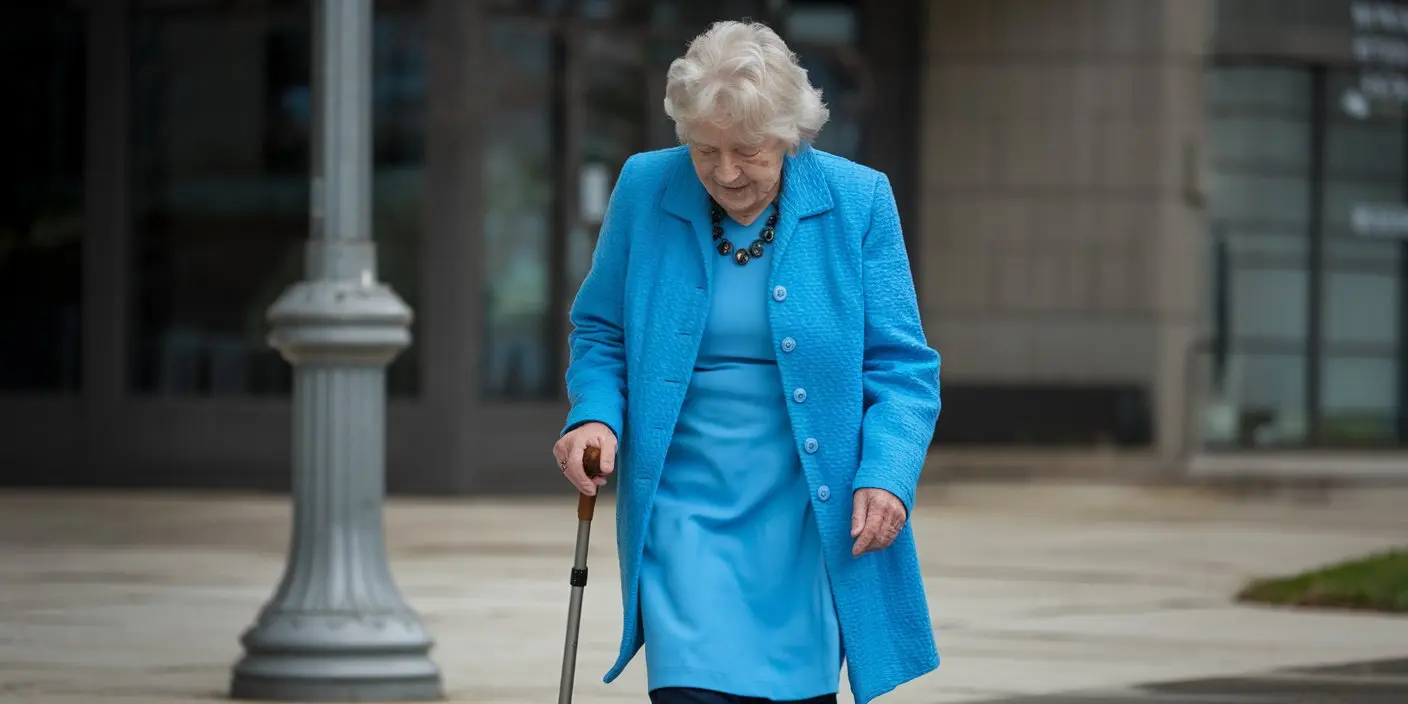
Understanding Osteoarthritis and Fall Risk
Osteoarthritis is a degenerative joint disease that affects millions of older adults. It causes the breakdown of cartilage in joints, leading to pain, stiffness, and reduced range of motion.
These symptoms can significantly impact a person’s ability to move safely and confidently.
The connection between osteoarthritis and falls is multifaceted. The mechanisms increasing fall risk include:
- Pain and stiffness: Chronic joint pain can alter a person’s gait and balance, increasing the likelihood of tripping or losing stability.
- Muscle weakness: Osteoarthritis often leads to reduced physical activity, resulting in muscle weakness, particularly in the legs. This weakness can compromise stability and make it harder to recover from a potential fall.
- Reduced proprioception: Osteoarthritis can affect joint position sense, making it more difficult for seniors to navigate their environment safely.
Consequences of Falls for Those with Osteoarthritis
Falls can have severe consequences for older adults, especially for a senior with osteoarthritis. These may include:
- Fractures and injuries: Osteoarthritis often coexists with osteoporosis, increasing the risk of fractures during a fall.
- Decreased mobility: A fall can exacerbate existing joint pain and stiffness, further limiting mobility.
- Loss of independence: Severe falls may lead to hospitalization or the need for long-term care.
- Psychological impact: Fear of falling can cause anxiety and reduced activity, creating a cycle of decreased strength and increased fall risk.
Fall Prevention Strategies
So what can someone with osteoarthritis or caregivers of older adults with osteoarthritis do? Well, there are several steps you can take to reduce fall risk:
- Exercise regularly: Engage in low-impact activities like swimming, tai chi, or gentle yoga to improve strength, flexibility, and balance.
- Home modifications: Install grab bars, remove tripping hazards, and ensure good lighting throughout the home.
- Use assistive devices: Properly fitted canes or walkers can provide additional support and stability.
- Manage the pain from chronic conditions effectively: Work with healthcare providers to develop an effective pain management plan, which may include medications, physical therapy, or alternative treatments.
- Regular check-ups: Schedule regular visits with healthcare providers to monitor osteoarthritis progression and adjust treatment plans as needed.
- Fall-proof your routine: Be mindful of daily activities that may increase fall risk, such as reaching for high objects or walking on uneven surfaces.
Making Your Home Safe for Seniors with Osteoarthritis
Any aging in place specialist or occupational therapist (including myself) will strongly recommend making modifications to your living environment (your home) for the purpose of making it safer and easier for you if you have osteoarthritis.
These changes can significantly reduce fall risk and improve overall safety. Let’s look at some key areas to focus on:
Removing Tripping Hazards
One of the first things I always recommend is a thorough decluttering of living spaces. This isn’t just about tidiness – it’s about safety.
Here are some steps you can take:
- Remove throw rugs or secure them with non-slip backing
- Clear pathways of furniture and other obstacles
- Tuck away electrical cords and cables
- Keep frequently used items within easy reach
Remember, what might seem like a minor inconvenience to you could be a major hazard for someone with limited mobility due to osteoarthritis.
Installing Grab Bars and Handrails
Grab bars and handrails are essential safety features for seniors with osteoarthritis. They provide crucial support and can prevent falls in high-risk areas.
Consider installing them in these locations:
- In the shower or bathtub
- Next to the toilet
- Along staircases (on both sides if possible)
- In hallways
- By your entranceways
When installing grab bars, make sure they’re securely anchored to wall studs. It’s best to have a professional do this to ensure they can support a person’s full weight.
Improving Lighting
Poor lighting is a often-overlooked fall risk factor. For seniors with osteoarthritis, who may already have balance issues, good lighting is crucial.
Here’s are some ways that you can improve lighting in the home:
- Install brighter bulbs in existing fixtures
- Add task lighting in areas like the kitchen and bathroom
- Use night lights in hallways and bathrooms
- Consider motion-sensor lights for outdoor areas
Don’t forget about natural light too. Open curtains during the day to let in as much sunlight as possible.
Proper Use of Assistive Devices
These days, there are so many wonderful assistive device tools that we can take advantage of to help make us safer and make life easier.. These tools can make a world of difference in maintaining independence and reducing fall risk.
Let’s look at some common assistive devices:
Canes
Canes are great for providing extra support and balance. Here’s how to use them properly:
- Hold the cane in the hand opposite your weaker or painful leg
- Move the cane at the same time as your affected leg
- Adjust the cane height so your elbow bends slightly when holding it
- Replace worn-out tips to ensure good traction
Remember, a cane isn’t just a fancy walking stick. When used correctly, it can significantly improve your stability and confidence while moving around.
Walkers
Walkers offer more support than canes but require proper technique:
- Stand up straight with the walker in front of you
- Step into the walker, not behind it
- Use both hands to grip the walker firmly
- Take small steps and move the walker forward with each step
- Don’t push the walker too far ahead – keep it close to your body
Many seniors I’ve worked with initially resist using a walker, thinking it makes them look “old.” But trust me, a walker used correctly can help you maintain your independence much longer than if you avoid using one and end up falling.
Orthotics
Orthotics, or special shoe inserts, can be a game-changer for seniors with osteoarthritis, especially in the feet or knees:
- Always wear orthotics with supportive, well-fitting shoes
- Break in new orthotics gradually, wearing them for short periods at first
- Keep them clean and dry to prolong their life
- Replace them as recommended by your healthcare provider
I’ve had patients who thought their walking days were over due to foot pain, only to find new freedom with properly fitted orthotics.
I myself suffer from Morton’s Neuroma and I couldn’t walk very far without the use of orthotics.
Managing Osteoarthritis to Reduce Fall Risk
Your rheumatologist will give you the tools to manage your osteoarthritis. It could be anything from medication to devices to exercise.
Medication Management
Keeping track of medications is crucial for seniors with osteoarthritis. Here’s what you need to know:
- Work closely with your doctor to find the right pain management regimen
- Use a pill organizer to keep medications sorted by day and time
- Set reminders on your phone or use a medication reminder app
- Always inform your doctor about any side effects, especially dizziness or drowsiness
Remember, some medications can increase fall risk, so it’s important to discuss this with your healthcare provider.
Weight Control
I know it’s not easy, but maintaining a healthy weight is one of the best things you can do for your joints. Here’s why:
- Extra weight puts more stress on your joints, especially knees and hips
- Losing even a small amount of weight can significantly reduce pain and improve mobility
- A balanced diet rich in anti-inflammatory foods can help manage osteoarthritis symptoms
Talk to your doctor or a nutritionist about a diet plan that works for you. Every little bit helps!
Joint Protection Techniques
Protecting your joints is crucial when you have osteoarthritis. Here are some tips:
- Use larger, stronger joints to carry things (for example, use your palm instead of your fingers)
- Avoid staying in one position for too long
- Use assistive devices like jar openers or long-handled shoe horns
- Arrange your home to avoid unnecessary bending or reaching
These simple changes can make a big difference in reducing joint stress and pain.
Regular Medical Check-ups
Don’t skip those doctor appointments! Regular check-ups are essential for managing osteoarthritis and reducing fall risk. Here’s why:
- Your doctor can adjust your treatment plan as needed
- Regular assessments can catch any new issues early
- You can discuss any new symptoms or concerns
- Your doctor can recommend appropriate exercises or physical therapy
Remember, your healthcare team is there to help you. Don’t hesitate to ask questions or voice concerns during these visits.
Exercises That Can Help Improve Balance and Reduce Fall Risk in Seniors with Osteoarthritis
Here are some recommended exercises that can make a significant difference:
- Tai Chi: This gentle form of martial arts focuses on slow, deliberate movements combined with deep breathing. Tai Chi has been shown to improve balance and coordination, making it an excellent exercise for seniors with osteoarthritis. Participating in a class designed for arthritis can provide social interaction and guidance on technique.
- Strength Training: Engaging in strength training exercises helps build muscle around the joints, providing better support and reducing stress on affected areas. Simple exercises like seated leg lifts, using resistance bands, or lifting light weights can be done at home and are effective for maintaining muscle mass.
- Aquatic Exercises: Exercising in water reduces the strain on joints while providing resistance that helps improve strength and flexibility. Water aerobics or swimming can be beneficial, offering a low-impact way to stay active and fit.
- Balance Exercises: Practicing standing on one foot, heel-to-toe walking, and gentle leg raises can enhance stability. These exercises help retrain your body to maintain balance and prevent falls. They can be easily incorporated into daily routines, like brushing your teeth or watching TV.
- Yoga: Yoga combines stretching, balance work, and muscle strengthening. It can be adapted to suit various fitness levels and abilities, focusing on gentle poses that improve flexibility and core strength. Consider joining a yoga class specifically for seniors or arthritis patients.
- Walking: Regular walking is a simple yet effective way to improve balance and endurance. Ensure you have supportive footwear and use walking aids if needed to prevent falls. Walking with a friend or a group can make the activity more enjoyable and encourage consistency.
Before starting any new exercise regimen, it’s important to consult with a healthcare provider or physical therapist. They can help tailor an exercise plan that suits your individual needs and abilities, ensuring safety and effectiveness.
Remember, the key is to start slowly and gradually increase the intensity as your confidence and strength build. Engaging in these exercises regularly not only helps in managing osteoarthritis but also enhances overall well-being, keeping you active and independent.
Importance of Fall Risk Assessments
These assessments are like a roadmap to keeping you safe and independent.
They create the baseline of your condition and the effect that your osteoarthritis is having on you and they can also record the progress that you are making with the treatment plan you were given.
What is a Fall Risk Assessment?
A fall risk assessment is a comprehensive evaluation that looks at various factors that might increase a person’s likelihood of falling. It’s not just about checking balance – it’s a whole-person approach.
Why are Fall Risk Assessments So Important?
Let me tell you, I’ve seen how a simple assessment can make a world of difference. Here’s why they’re so crucial:
- They identify specific risk factors: Every senior is unique, and so are their fall risks. An assessment pinpoints exactly what might cause your loved one to stumble.
- They guide personalized prevention strategies: Once we know the risks, we can create a tailored plan to address them. It’s not one-size-fits-all!
- They can catch issues early: Sometimes, a fall risk isn’t obvious until it’s too late. These assessments can spot potential problems before they lead to a dangerous tumble.
- They provide peace of mind: Knowing you’ve taken steps to protect your loved one can be a huge relief for everyone involved.
What Does a Fall Risk Assessment Include?
A thorough fall risk assessment typically covers:
- Physical factors: Balance, strength, flexibility, and gait
- Medical history: Conditions like osteoarthritis that might increase fall risk
- Medication review: Some meds can affect balance or cause dizziness
- Home environment: Identifying potential hazards in the living space
- Vision and hearing checks: Sensory issues can contribute to falls
When Should You Get a Fall Risk Assessment?
Don’t wait for a fall to happen! If your loved one has osteoarthritis, it’s a good idea to get an assessment:
- When they’re first diagnosed with osteoarthritis
- If you notice changes in their mobility or balance
- After any fall or near-fall incident
- Annually, as part of their regular health check-ups
Remember, fall prevention isn’t just about avoiding injuries – it’s about maintaining independence and improving quality of life.
A fall risk assessment is a powerful tool in your caregiving toolkit. Don’t hesitate to ask your healthcare provider about getting one for your loved one with osteoarthritis. It could be the key to keeping them safe and active for years to come!
By taking proactive steps to address fall risk, you’re not just preventing accidents – you’re promoting independence, confidence, and overall well-being for seniors living with osteoarthritis.