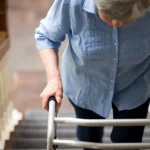
I know how stressful it can feel to look at a staircase in your home and wonder if it’s becoming more of a hazard than a help.
Maybe you’ve noticed your loved one gripping the railing a little tighter or pausing before taking that first step. Or perhaps you yourself have started to feel uneasy when facing stairs that once seemed effortless.
The truth is, stairs are one of the leading causes of falls for older adults, and those falls can quickly change someone’s independence. It’s a scary thought, but here’s the good news: there are many practical ways to modify stairs so they’re safer, more comfortable, and easier to use.
Even small changes can make a big difference in preventing accidents and giving everyone peace of mind.
In this guide, we’ll walk through the best modifications for stairs, from simple fixes to bigger updates, so you can choose the right solutions for your situation.
Quick Rundown: How to Modify Stairs for Elderly Loved Ones Without Sacrificing Independence
- Reduce Fall Risk: Stairs are a leading cause of senior injuries, but small modifications make a big difference.
- Start Simple: Add dual handrails, non-slip treads, and bright lighting for immediate safety.
- Upgrade Support: Consider carpet runners, grab bars, and even-out step heights for better stability.
- Go Long-Term: Stairlifts, home elevators, and ramps provide lasting solutions for serious mobility issues.
- Use Adaptive Tools: Devices like stair climbers, mobility aids, and visual step markers increase confidence.
- Seek Guidance: CAPS specialists, OTs, and local programs can tailor safety plans and help with funding.
Let’s start by looking at the essential safety features every staircase should have…

Why Are Stairs So Dangerous for Older Adults?
As we age, we naturally lose some strength, flexibility, and balance. Conditions like arthritis, poor eyesight, and muscle weakness make it harder to climb stairs safely.
One of my clients, Mrs. J, had always taken the stairs with ease. But after a fall, she became so anxious that she stopped using the second floor of her house. She felt trapped in her own home. It wasn’t just about the stairs – it was about losing control.
And that’s what this is really about – keeping your independence while making smart safety upgrades.
Start Here: Quick Fixes That Make a Big Difference
You don’t have to remodel your whole house to improve stair safety. These changes are simple and affordable – and you can do most of them right away.
✅ Install sturdy handrails on both sides of the staircase
✅ Use non-slip stair treads or anti-slip tape on each step
✅ Brighten the stairwell with motion-sensor lighting
✅ Apply reflective tape or high-contrast paint to stair edges to help with depth perception
✅ Remove any clutter – like baskets, shoes, or throw rugs – that could lead to a fall
These small steps are often the most overlooked but can be life-changing.
❓Can I modify stairs in a rental home or apartment?
💬 Yes, many stair safety updates, like non-slip treads, removable lighting, and tension-mounted handrails, can be installed without damaging property. Be sure to check with the landlord or building management first, and focus on changes that are temporary or reversible.
Medium Upgrades That Add Real Support
When stairs are still manageable but feel risky, here are some moderate upgrades that really help:
- Add a second railing if one side doesn’t already have one
- Use low-pile carpet or rubber stair runners to create traction
- Install LED strip lighting or wall sconces to reduce shadows and brighten up each step
- Make sure each stair is the same height and depth – uneven steps are a hidden hazard
- Place grab bars at the top and bottom landings for extra stability
I had another client, Mr. D, who kept slipping going down to his basement workshop. After adding a second handrail, brighter lighting, and non-slip stair surfaces, he told me, “I finally feel safe again.”
❓What if there’s just one or two steps, do I still need modifications?
💬 Yes, even one step can pose a serious fall risk. A small threshold ramp, grab bar, or non-slip tread can make a big difference. Outdoor steps especially become more dangerous in bad weather, so plan for traction and visibility there too.
Long-Term Solutions for Maximum Safety
Sometimes more support is needed. That’s where these advanced home modifications come in:
- Stairlifts: These motorized chairs ride along the staircase and are great for people with serious mobility issues
- Home elevators: A good fit for homes with long staircases or for wheelchair users
- Threshold ramps: For stairs with just one or two steps, especially outdoors
- Living on one level: Rearranging your home so everything important is on the ground floor
Each of these options can increase safety while supporting aging in place goals.
❓Is there a difference between stair lifts and stair climbers?
💬 Yes. A stairlift is a permanent motorized chair attached to the stairs, while a stair climber is a portable device (often caregiver-operated) used to transport someone up and down. Stairlifts offer more independence, while climbers are best for short-term or assisted use.
Adaptive Tools That Make Stairs Safer
In addition to home modifications, adaptive devices can make a big impact:
- Stair climbers: Portable equipment that helps lift a person safely up or down stairs
- Mobility aids: Such as canes with stair-assist handles or walkers with stair glide features
- Step-edge indicators: Visual markers to help with depth perception
Not sure what option or options are best for you? I’ve got a chart that may help you!
❓What’s the best stair solution for someone with both mobility and vision problems?
💬 A stairlift or home elevator is often the safest choice, but if stairs are still in use, combine tactile safety (like rubber treads or textured runners) with visual aids (like high-contrast step edges and motion-sensor lighting). These layered strategies support both balance and vision.
Get Help from a Home Safety Professional
Still not sure what changes are best for your situation? You can get a home safety assessment from:
- A Certified Aging-in-Place Specialist (CAPS) – You may be able to find one here.
- An Occupational Therapist (OT) trained in senior mobility needs
- A home modification contractor who specializes in stair safety upgrades
They can walk through the home and point out hazards you may not see.
Financial Help for Home Modifications
Worried about the cost? There are financial aid options you may qualify for:
- Local housing assistance programs
- Grants and loans for home accessibility improvements
- Veterans’ benefits for service-connected needs
- Nonprofits like Rebuilding Together that help low-income seniors with home repairs
It’s worth asking your local Area Agency on Aging or county housing office what support is available in your area.
❓How do I talk to my parent who refuses to change the stairs?
💬 Start with empathy. Say something like, “I know this feels like a big change, but I want to help you stay safe and independent.” Involve them in the decision-making and offer choices. Show real-life examples of others who felt better after making small upgrades.
Stair Safety and Emotional Health
Making changes at home can bring up strong feelings – especially for older adults who fear losing control. That’s okay.
Try saying something like:
“I want you to stay in this home safely. I’m not trying to take away your freedom – I want to protect it.”
The goal isn’t just safety – it’s dignity.
And if you’re the caregiver, I see you. This isn’t easy. You’re doing your best, and your effort matters more than you know.
Your Stair Safety Action Plan
Right Now
☑ Install non-slip treads
☑ Add reflective tape or contrast paint
☑ Improve lighting
☑ Clear all clutter
This Month
☑ Add a second handrail
☑ Have a home safety evaluation
☑ Check step heights and uniformity
☑ Add grab bars or adaptive tools
Looking Ahead
☑ Explore stairlifts or ramps
☑ Consider one-level living options
☑ Research financial assistance programs
Final Thoughts
You’re not just making a home safer. You’re giving someone you love the gift of staying independent, comfortable, and confident in the home they know and love.
That matters.
If no one has told you this today – you’re doing a good job. And every step you take to protect someone’s safety is a step toward peace of mind.