That faint smell of rotten eggs or a sudden headache at home might leave you wondering, is this a gas leak, and could it actually be deadly? The thought alone is frightening, especially for older adults who may be more vulnerable to accidents in the home.
The truth is, gas leaks are dangerous and can be life-threatening if not caught quickly.
But here’s the reassuring part: once you know the signs and safety steps, you can protect yourself and your loved ones from harm.
Quick Rundown: Can You Die from a Gas Leak? Safety Tips for Seniors
- Yes, It’s Deadly: Gas leaks can cause explosions, fires, suffocation, or carbon monoxide poisoning.
- Warning Signs: Rotten egg smell, hissing sounds, dead plants, high gas bills, or flu-like symptoms signal danger.
- Act Fast: Leave immediately, avoid switches or phones, and call 911 or your gas company from a safe distance.
- Prevention Tools: Install carbon monoxide and gas detectors, inspect appliances yearly, and know your shut-off valve.
- Extra Protection: Monitored security systems and home emergency plans give added safety for seniors living alone.
So, what does this mean for you? Let’s dig deeper into how to spot gas leak risks early and the best steps to stay protected

What Is a Gas Leak and How Does It Happen?
A gas leak occurs when natural gas or propane escapes from a pipe or an appliance instead of burning as it should. Common sources of gas leaks in homes include:
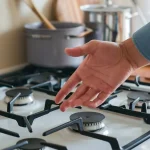
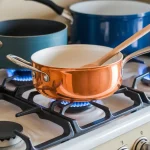
- Gas stoves and ovens
- Water heaters
- Furnaces
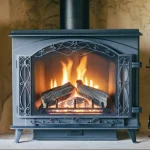
- Fireplaces
- Dryers
- Gas pipelines
Older homes with outdated appliances or aging gas lines are at a higher risk of leaks. Even a small leak can build up over time, leading to dangerous conditions. Additionally, a gas leak reduces the oxygen available in the air, which can lead to breathing difficulties and unconsciousness.
Can You Die From a Gas Leak? Understanding the Risks
Yes, gas leaks can be deadly. There are two major risks:
- Gas Poisoning: When inhaled, natural gas replaces the oxygen in the air, making it harder to breathe. Severe exposure can cause unconsciousness and death.
- Carbon Monoxide (CO) Poisoning: Incomplete gas combustion produces carbon monoxide, which is odorless and deadly. Breathing in high levels of CO can be fatal in minutes.
At-risk groups for carbon monoxide poisoning include:
✔ Seniors
✔ Pregnant women
✔ People with respiratory issues or chronic illnesses
✔ Individuals with cardiovascular disease
Seniors are particularly vulnerable because their bodies may not respond as quickly to symptoms of gas exposure, and they may have underlying health conditions that make them more susceptible.
Symptoms of Gas Exposure in Seniors
Gas leaks can cause a range of symptoms, and seniors may not immediately recognize the warning signs. Look out for:
- Mild exposure symptoms: Headaches, dizziness, nausea, fatigue
- Severe exposure symptoms: Confusion, difficulty breathing, loss of coordination, unconsciousness
- Signs of carbon monoxide poisoning: Weakness, chest pain, blurred vision, passing out
- Symptoms mimicking flu: Gas exposure symptoms can resemble flu-like illness.
- Long-term health effects: Repeated low-level exposure can cause brain damage and heart problems.
Because some symptoms can mimic other health issues, it’s important to act quickly if there’s any suspicion of a gas leak.
How to Detect a Gas Leak in Your Home
Gas leaks can sometimes be hard to detect, but there are several warning signs:
- Smell: A strong sulfur or rotten egg odor (gas companies add this scent for detection).
- Sound: A hissing or whistling noise near a gas line or appliance.
- Physical signs: Dead plants, soot around appliances, bubbling water in pipes, and air bubbles in standing water.
- Unusual gas bill: A sudden, unexplained increase in gas usage may indicate a leak.
- Carbon monoxide alarms: If your CO detector goes off, it may indicate a leak.
- Security systems: Some modern security systems offer gas leak detection and professional monitoring services.
It’s crucial to have gas and carbon monoxide detectors installed in your home and to check them regularly to ensure they’re working.
Steps to Take if You Suspect a Gas Leak
If you think there is a gas leak in your home, take these steps immediately:
- Leave the home – Do not stay inside, even if you’re unsure.
- Do not use electrical devices – Turning on lights, using a phone, or even opening the refrigerator can create a spark and ignite gas.
- Do not attempt to find the leak – Leave that to professionals.
- Call for help from a safe location – Contact 911 or your gas company’s emergency line.
- Know how to shut off the gas supply – If safe, turn off the main gas valve until professionals arrive.
- Do not go back inside – Only return when officials say it’s safe.
Preventing Gas Leaks: Safety Tips for Seniors
Taking steps to prevent a gas leak is just as important as knowing how to respond to one.
Here’s how you can stay safe:
✔ Schedule annual gas appliance inspections. A professional can check for leaks and ensure your appliances are functioning safely.
✔ Install carbon monoxide and gas detectors. Place them near bedrooms and the kitchen, and test them regularly.
✔ Keep the area around gas appliances clear. Avoid storing flammable items near stoves, heaters, or furnaces.
✔ Check for pilot lights and burners. If a gas appliance isn’t working properly, shut it off and call a professional.
✔ Know your gas shut-off valve. If there’s ever a leak, you or a caregiver should know how to turn off the gas supply.
✔ Consider a monitored security system. Some home security companies offer gas leak detection and emergency response services.
✔ Have a home emergency plan. Make sure caregivers or family members know what to do in case of a gas leak.
Final Thoughts: Staying Safe from Gas Leaks
Gas leaks are a serious threat, but with the right precautions, they can be prevented. Make sure your home has working detectors, have appliances checked regularly, and know the warning signs of exposure.
If you or a loved one experiences symptoms of gas poisoning, get to fresh air immediately and call for help.
If carbon monoxide poisoning is suspected, medical professionals may administer oxygen therapy to help remove CO from the bloodstream. High levels of exposure may require hospitalization.
By staying informed and taking safety measures, you can protect yourself or an elderly family member from the dangers of a gas leak. If you have any concerns about gas safety in your home, contact your local gas company or a qualified technician for an inspection.