There comes a point when aging in place, as wonderful as it sounds, can quietly turn into a safety risk. Recognizing that moment early can protect independence, dignity, and health.
This article helps you identify clear signs that home may no longer be the safest place, and what to do about it.
Quick Rundown: Knowing When Aging in Place Becomes Unsafe
- Hidden hazards: Falls, fires, and forgetfulness can turn a familiar home into a danger zone.
- Cognitive changes: Memory loss or confusion often lead to missed medications and daily living errors.
- Isolation risk: Living alone can lead to poor nutrition, loneliness, and declining health.
- Caregiver burnout: When family support starts to crumble, safety begins to fail.
- Proactive planning: Knowing the “tipping point” helps avoid a crisis move.
- Next steps: You’ll learn how to spot early red flags, explore financial factors, and make smart changes before it’s too late.
Let’s look at how to tell when staying home has become more risk than reward.
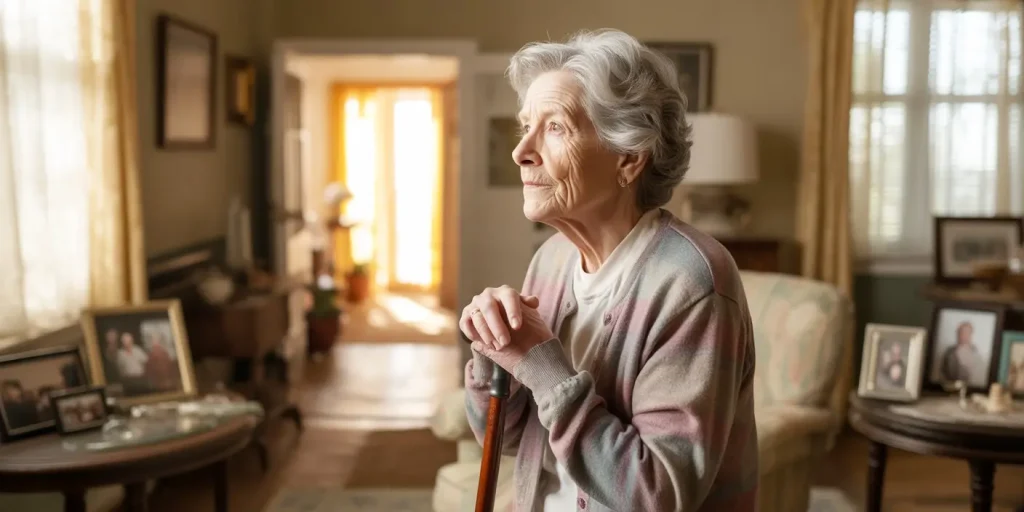
Why Do So Many Seniors Want to Age in Place?
Because it feels like safety, control, and freedom. Most older adults want to stay in their own homes because they know every corner and find comfort in familiar surroundings. It represents independence and dignity.
But comfort doesn’t always equal safety. As we age, the home environment, especially one built decades ago, may not match our current abilities. Stairs, cluttered pathways, dim lighting, and even throw rugs can become real hazards.
If you’d like to understand more about the challenges and feasibility of aging in place, you can read my detailed article here: Challenges and Feasibility of Aging in Place.
As a retired occupational therapist, I’ve seen many homes where a small change, like adding grab bars near the shower, made a huge difference. But I’ve also seen cases where even the best modifications couldn’t offset cognitive decline or chronic falls.
According to the CDC, more than 36 million older adults fall each year, and one in five of those falls results in serious injury. Those numbers tell us that falls aren’t just accidents, they’re predictable signals that something needs to change.
❓What’s the difference between aging in place and staying home at all costs?
💬 Aging in place means living safely and independently in your own home as long as your health and environment allow it. It includes planning, home modifications, and support systems. Staying home at all costs ignores those safety factors, which can lead to preventable injuries, isolation, or crisis transitions.
What Are the Signs That Aging in Place Is Becoming a Risk?
There are five main warning areas: safety events, function, isolation, caregiver strain, and home fit.
1. Frequent or Serious Safety Incidents
If there have been falls, kitchen fires, or wandering episodes, those are major red flags.
- One fall with injury increases the risk of another within six months.
- Forgetting to turn off the stove or leaving doors unlocked can signal cognitive decline.
- Smoke or burn marks in the kitchen often show unnoticed danger.
In one case, a client of mine insisted she was fine living alone after a minor fall. A month later, she slipped again, this time breaking her hip. That was her tipping point, and she later said, “I wish I’d listened sooner.”
You can learn more about the environmental challenges of aging in place that contribute to these risks here: Challenges of Aging in Place.
Maintenance burdens add another layer of danger. Tasks like climbing ladders to clean gutters, shoveling snow, or mowing lawns can quickly become unsafe but are often ignored because they’ve “always been part of life.” Neglecting home upkeep can also lead to hazards like loose steps, poor lighting, or slippery sidewalks.
2. Declining Function and Cognitive Changes
When daily tasks like taking medication, paying bills, or preparing meals start to slip, home independence becomes fragile.
Look for:
- Missed medication doses or doubled pills
- Unpaid bills or unopened mail
- Poor hygiene or cluttered living areas
These aren’t signs of laziness, they’re often early symptoms of memory decline or executive function loss.
Simple supports like automated pill dispensers, weekly check-ins, or occupational therapy assessments can help, but if these fixes no longer prevent mistakes, safety has already shifted.
If you’re wondering whether aging in place is still realistic for your situation, I break that down clearly here: Is Aging in Place Realistic for Seniors?.
Behavioral tipping points also matter. In dementia, risk rises when you see new wandering, repetitive questioning, or unsafe decision-making (like trying to cook late at night). If these behaviors appear more than once a week, it’s time to rethink the current living setup.
❓When should I involve a professional like an occupational therapist or aging-in-place specialist?
💬 It’s best to involve them as soon as you notice small struggles, like difficulty climbing stairs, bathing safely, or remembering medications. Early assessments by a Certified Aging in Place Specialist (CAPS) or occupational therapist (OT) can prevent larger problems, saving both money and stress later.
3. Growing Isolation and Poor Nutrition
Living alone can slowly lead to malnutrition and loneliness, both serious health risks.
If the fridge is empty, food is expired, or meals are repetitive, nutrition is likely suffering. Pair that with fewer phone calls or outings, and physical and mental health can quickly decline.
Solutions to try first:
- Sign up for Meals on Wheels or grocery delivery.
- Join local senior centers or virtual support groups.
- Schedule daily check-ins through family or neighbors.
What I’ve found encouraging is that even small social contact, like a daily meal delivery, can spark big emotional improvements.
Loneliness is not a minor issue. The World Health Organization reports that social isolation increases the risk of dementia by 50 percent and heart disease by nearly 30 percent. Recognizing that early can prevent long-term health decline.
❓How can I convince a loved one to accept help without making them feel controlled?
💬 Start by focusing on what matters to them, not what worries you. Use language like “We want to make it easier for you to stay safe and independent” instead of “You need help.” Involve them in small decisions first, such as choosing a meal delivery program or adding grab bars, to build trust and cooperation.
4. When Caregiver Capacity Is Breaking Down
Family caregivers are the invisible backbone of aging in place. But when they’re exhausted or in poor health themselves, everyone’s safety declines.
Signs caregiver burnout has reached the tipping point:
- The caregiver expresses frustration, fatigue, or resentment.
- Home tasks like bathing, meals, or supervision feel overwhelming.
- Medical appointments or home maintenance are being skipped.
If caregivers are providing more than 40 hours per week without outside help, it’s often time to explore respite care or assisted living options.
But sometimes the system breaks before the caregiver does. When multiple caregivers (siblings, aides, volunteers) are coordinating care and communication fails, missed meds, duplicate appointments, unsafe scheduling, home stability collapses. Recognizing this early can avoid crisis hospitalizations.
❓Are there programs that help pay for home safety upgrades or in-home care?
💬 Yes. Many state aging agencies, Medicaid waiver programs, and nonprofits offer funding for home modifications like ramps, grab bars, or bathroom remodels. You can also check with your local Area Agency on Aging or Veterans Affairs for grants and low-interest loans that make home safety more affordable.
5. When the Home Itself No Longer Fits
Sometimes it’s not the person, it’s the house.
If the home requires major renovations (stair lifts, widened hallways, roll-in showers) and costs exceed the home’s value, staying may not be realistic.
Ask these key questions:
- Are stairs used daily for essential tasks?
- Can the bathroom safely support mobility aids?
- Does the layout allow emergency access if needed?
I once worked with a couple who invested heavily in home modifications, only to realize later that downsizing gave them both freedom and peace of mind. They told me, “We thought we’d lose independence by moving, but we actually gained it.”
For practical ideas on preparing your current home for future safety, see my guide: Navigating the Challenges of Aging in Place: Preparing Your Home for the Golden Years.
Financially speaking, the average home retrofit for safety costs between $10,000 and $30,000, while the median annual cost of assisted living in the U.S. is around $54,000. Comparing both helps families make informed decisions rather than waiting for an emergency.
How Do You Decide When Home Is No Longer Safe?
Use this Tipping Point Rule:
If two or more areas, safety, function, isolation, caregiver strain, or home fit, show recurring problems despite interventions, home is no longer the safest option.
You don’t need to wait for a fall or emergency. Look at patterns, not single events. Repeated small incidents are usually your warning signs.
To visualize it, think of three zones:
- Green Zone: Independence with manageable supports.
- Yellow Zone: Warning signs, occasional falls, missed meds, caregiver fatigue.
- Red Zone: Recurring crises despite interventions, time to transition.
❓What’s the best way to start planning for a possible move before a crisis happens?
💬 Begin by touring nearby assisted living or senior communities while things are still going well. Keep a running list of what you’d want in a future home, from accessibility features to social activities. Having options ready allows you to make calm, informed choices instead of rushed decisions after an accident or health event.
What Can You Do Before a Crisis Happens?
Act early and think in layers of support.
Simple actions that reduce immediate risk:
- Install grab bars, brighter lighting, and non-slip flooring.
- Use stove shut-off sensors, fall-detection wearables, or smart home motion sensors.
- Set up automated medication dispensers with voice alerts.
- Schedule home safety assessments by an OT or CAPS specialist.
Emerging technology to consider:
- Smart sensor mats can detect inactivity or falls.
- Voice-activated assistants can call emergency contacts instantly.
- Smart thermostats help prevent overheating or hypothermia.
- Home monitoring systems send alerts to caregivers in real time.
For long-term stability:
- Create a plan B with family or professionals.
- Research nearby assisted living or home care services before you need them.
- Keep emergency contacts visible and updated.
The positive side is that many families feel relief once a plan is in place, even if they decide to stay home longer.
How to Maintain Dignity and Choice During Change
Change doesn’t have to feel like defeat. Start the conversation early, use compassionate language, and emphasize safety as empowerment, not restriction.
Say, “We want to make sure you can keep doing what you love safely,” instead of, “You can’t live here anymore.”
Remember, moving to a safer environment doesn’t erase independence, it preserves it.
What’s the Next Step if You Recognize the Signs?
Use a simple home safety checklist:
- Have there been 2 or more falls or near-falls in a year?
- Are daily tasks being missed or forgotten?
- Is nutrition declining?
- Are caregivers burning out or systems breaking down?
- Does the home require costly or unrealistic changes?
If you answer yes to two or more, it’s time for a family meeting or professional evaluation.
Final Thoughts
Aging in place is about more than staying put, it’s about staying safe, connected, and supported. The moment those begin to erode, independence itself is at risk.
Recognizing the tipping point early gives you more choices, not fewer. And whether that means modifying your home or finding a new one, the goal remains the same: living with dignity, purpose, and peace of mind.