Many seniors wonder if limited mobility means giving up art and creativity. The truth is, painting and craft projects for seniors with limited mobility can be adapted with simple tools and accessible methods that keep creativity alive.
With the right approach, art can still bring joy, peace, and purpose.
Quick Rundown: Painting Projects for Seniors with Limited Hand Mobility, Creative Expression Made Easier
- Use Adaptive Tools: Foam grips, easy-hold brushes, and painting gloves reduce strain and improve control.
- Try Alternative Methods: Sponge painting, finger painting, or roller brushes offer creative options without fine motor stress.
- Choose Accessible Surfaces: Large canvases, wooden shapes, or flat stones are easier to work with than small details.
- Simplify the Process: Pre-drawn outlines, stencils, or paint-by-number kits remove pressure while keeping it fun.
- Encourage Rest Breaks: Short painting sessions with stretches in between help prevent fatigue and stiffness.
- Focus on Joy, Not Perfection: The goal is self-expression and relaxation, not flawless results.
I know how discouraging it can feel when shaky hands, arthritis, or fatigue make creative hobbies harder. During my years as an occupational therapist, I helped many older adults rediscover the joy of painting and crafting with simple adjustments.
Their pride and happiness reminded me that creativity doesn’t disappear, it just needs a new path forward.
In this guide, I’ll walk you through easy painting projects, adaptive tools, and craft ideas that make creativity accessible again. Let’s start with why limited hand mobility doesn’t mean the end of art.

💡 Why Limited Hand Mobility Doesn’t Mean the End of Art
When hands become stiff or shaky from arthritis, Parkinson’s disease, stroke, or injury, many seniors feel frustrated. Holding a small brush or doing fine detail work feels impossible.
But I have seen again and again that adaptive tools and process art open up wonderful creative opportunities. 🖌️
One of my patients, Mrs. Thompson, was heartbroken when arthritis made detailed brush strokes painful.
I introduced her to ergonomic grips and process-oriented art, and soon she was creating beautiful abstract flowers that filled her living room with vibrant color.
FYI: Process-oriented art (or process art) means focusing on the experience of creating, not the final product.
❓ Can seniors with arthritis still enjoy painting?
💬 Yes. With adaptive brushes, foam tubing, and weighted tools, painting remains accessible and enjoyable even with arthritis.
🌟 The Healing Power of Creative Art for Seniors
Art offers much more than just something to do. Painting, crafting, and other creative projects support:
- 🧠 Cognitive stimulation that helps keep the brain active
- 💖 Emotional wellness by reducing anxiety, depression, and stress
- 👥 Social connection with caregivers, friends, or family
- 🤲 Motor skills refinement that helps maintain hand strength and coordination
I remember Mr. Allen, who had tremors from Parkinson’s. We found that sponge painting helped him stay steady. “When I paint, my hands feel calm, and my mind feels peaceful,” he said.
❓ Can crafting help with cognitive health?
💬 Yes. Studies suggest creative activities may help lower dementia risk by up to 17%, while also improving mood and quality of life.
🛠️ Adaptive Tools That Make Painting Easier
You don’t need fancy equipment. Many simple tools can make painting enjoyable again for seniors with limited hand mobility:
- Adaptive brushes with large handles (1 to 1.5 inches thick)
- Foam tubing that slides over regular brushes for a better grip
- Weighted universal holders that stabilize shaky hands
- Paint rollers for covering large surfaces easily
- Paint pens for controlled lines without pressure
- Table easels that hold the canvas upright at a comfortable angle
- Non-slip mats that keep supplies stable
- Pre-mixed paints to avoid squeezing tubes
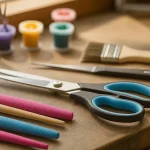
- Loop scissors for easy cutting in craft projects ✂️
🎨 Easy Painting Projects for Seniors With Limited Hand Mobility
Here are fun, accessible painting projects I’ve used successfully with many clients:
1️⃣ Large Brush Abstracts

Use wide brushes (2 to 3 inches) to create swirls, waves, and bold shapes. Focus on colors and simple movements.
2️⃣ Sponge Painting
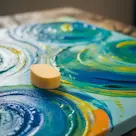
Sponge brushes or household sponges work great. Dab and swipe to make textured, colorful designs. 🧽
3️⃣ Dot Art (Pointillism)
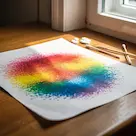
Use cotton swabs, daubers, or the end of a brush handle to apply colorful dots.
4️⃣ Blow Painting

Thin paint with water and blow gently through a straw to spread color in unique patterns. 🌬️
❓ What if my loved one has very limited dexterity?
💬 Focus on large tools, simple projects like sponge printing or blow painting, and crafts like memory collages or jewelry making that don’t require fine hand movements.
5️⃣ Pre-Printed Canvases
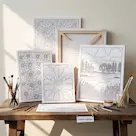
Use canvases with large, bold outlines that allow easy filling with color. Similar to paint by number but without the numbers!
6️⃣ Geometric Tape Painting

Apply painter’s tape in crisscross patterns, then paint sections with different colors. Remove tape when dry for a sharp design.
7️⃣ Nature-Inspired Printing
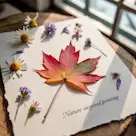
Use leaves, flowers, or even bubble wrap dipped in paint to stamp onto paper or canvas. 🍂
8️⃣ Cork or Block Printing
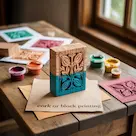
Dip corks, wooden blocks, or foam shapes into paint for easy, beautiful prints. You can also look at rubber stamps (there are many designs).
9️⃣ Decorating Wooden Items
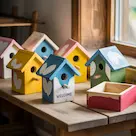
Paint birdhouses, boxes, or frames with broad designs and simple shapes. Use large handle or built up handles on brushes to make it easier.
🔟 Collaborative Family Art
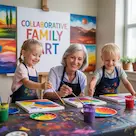
Invite grandchildren or friends to create group paintings together. Intergenerational workshops build connection and joy. 👩👧👦
Beyond Painting: Alternative Creative Crafts
Sometimes it’s helpful to mix things up. Here are simple craft projects perfect for seniors with limited dexterity:
📸 Memory Collages
Gather large photos, magazine cutouts, and colorful paper. Use glue sticks and pre-cut pieces to build memory boards. If you want even more creative ideas that don’t require fine motor skills, you can check out these easy crafts for seniors with limited dexterity.
🧵 No-Sew Fabric Projects
Tie fleece blankets using knotting techniques or create fabric collages with glued fabric pieces.
📿 Jewelry Making
Use large-hole beads and stretchy elastic string to make necklaces or bracelets.
🖐️ Clay Modeling
Lightweight air-dry clay allows for easy shaping of bowls, ornaments, or textured pieces without detailed carving.
🎯 The Power of Process Art: Enjoying the Act of Creating
When I worked with group art sessions, I often encouraged process art. This means focusing on the experience of making art, not on perfection or the final product. 🎨
- Let colors flow freely.
- Explore textures and shapes.
- Release the pressure to “get it right.”
Seniors often relax when they realize there’s no “wrong” way to create. The freedom to explore brings confidence and joy. 💕
👩🏫 Group Art Activities: How to Facilitate Joyful Sessions
If you’re organizing art sessions for seniors, here are a few helpful tips:
- Set up all materials ahead of time.
- Use clear, visual instructions.
- Offer multiple activity choices to fit ability levels.
- Create a sensory-rich environment with music, scents, and colors.
- Allow participants to work at their own pace.
- Celebrate effort and creativity, not perfection.
Group crafting also offers wonderful intergenerational opportunities. Grandchildren, caregivers, and seniors can all create beautiful memories together. 👨👩👧👦
❓ How can I support a group art session for seniors?
💬 Prepare everything ahead, use visual aids, keep instructions simple, and create a calm, sensory-friendly space.
Group crafting also offers wonderful intergenerational opportunities. Grandchildren, caregivers, and seniors can all create beautiful memories together. 👨👩👧👦
🪑 Safety and Comfort Tips for Art Sessions
Safety matters for comfort and enjoyment:
- Use supportive seating with armrests.
- Adjust table height between chest and elbow level.
- Provide bright, even lighting to reduce eye strain.
- Ensure good ventilation, especially with certain paints.
- Schedule breaks every 20 to 30 minutes to prevent fatigue.
- Avoid sharp tools and hot glue that may be hard to manage.
🤝 Encouraging Independence While Offering Gentle Support
If you’re a caregiver, here’s how to help seniors stay independent while still offering needed support:
- Prepare the workspace ahead of time.
- Offer encouragement without controlling.
- Let the senior set the pace.
- Celebrate every effort.
- Focus on fun, not perfect results. 🎉
❓ What types of paints work best for seniors?
💬 Acrylics are great because they dry fast and are easy to clean. Watercolors are gentle and flow easily, requiring less hand control.
🌺 You Can Still Create Beauty
Losing hand strength doesn’t mean losing your creativity. I’ve seen many seniors rediscover the joy of art with simple tools, supportive environments, and loving encouragement.
Whether you’re starting something new or returning to a lifelong hobby, creativity is always within reach. Pick a project that speaks to you and enjoy the happiness that comes from making something beautiful. 💖