Daily tasks we once did without a second thought, like getting dressed, cooking a meal, or climbing the stairs—can gradually become more difficult as we age.
These changes often sneak up, leaving both seniors and their families surprised at how much extra effort or support is suddenly needed. It can be frustrating, even discouraging, to face limitations in the very routines that define independence.
The reassuring news is that aging doesn’t mean giving up on daily living activities.
By understanding the changes that naturally come with age, and by making smart adjustments, whether through home modifications, assistive devices, or support from loved ones, seniors can continue to live safely and with dignity.
This article explores how aging impacts everyday activities and the practical steps that make a difference.
Quick Rundown: How Aging Impacts Daily Living Activities, and Ways to Stay Independent
- Physical changes affect function: Mobility, balance, vision, hearing, and strength can decline, making daily tasks harder.
- ADLs define independence: Bathing, dressing, eating, toileting, and moving around are the essentials that often need support first.
- IADLs reflect lifestyle: Cooking, shopping, finances, cleaning, and driving are complex tasks that may require adjustments or assistance.
- Adaptations make a difference: Assistive devices, home modifications, and tech tools help older adults remain safe and capable.
- Caregiver balance matters: Providing the right level of help while supporting autonomy preserves dignity and confidence.
- Proactive planning works: Early adjustments, checkups, and community resources prevent crises and extend independence.
So, what does this mean for you? Let’s explore how daily activities change with age and the practical solutions that keep life fulfilling.
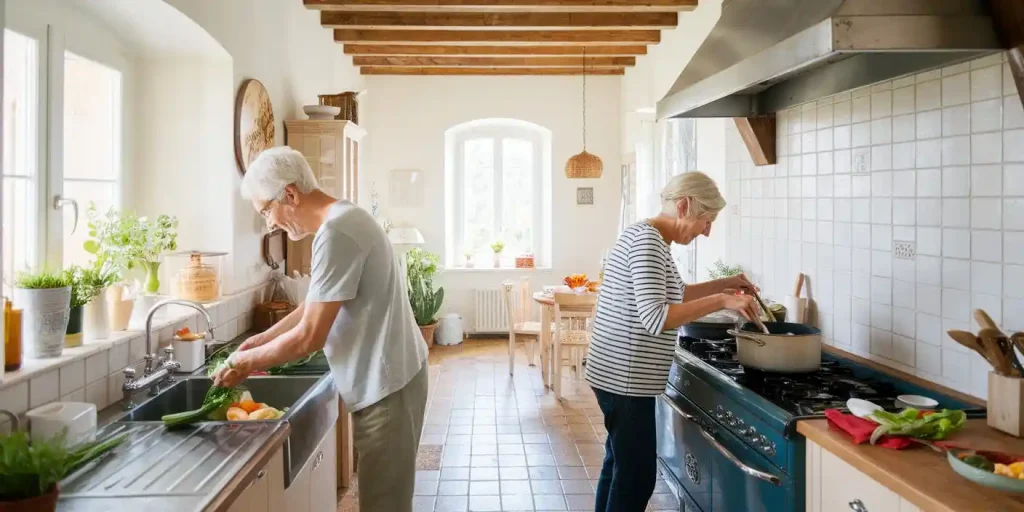
One thing I’ve learned from my patients who needed Occupational Therapy was that aging brings a natural set of changes to our daily lives, and while some may be challenging, understanding these changes can make all the difference.
Whether you’re experiencing these shifts firsthand or caring for an older loved one, there are practical solutions to maintain independence and quality of life.
Let me help you to explore how aging affects different aspects of daily living and how to address these challenges with confidence and compassion.
How Aging Impacts Physical Abilities
Mobility and Strength
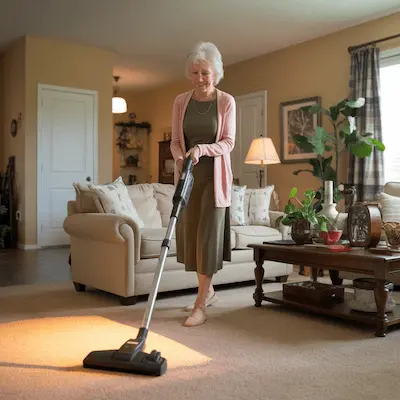
As we age, our muscles naturally lose mass and flexibility, and joint health may decline. These changes can make activities like walking, climbing stairs, or standing for long periods more difficult.
Physical therapy and tailored exercise routines, such as yoga or strength training, can help improve mobility. Mobility aids like walkers or canes also provide essential support.
Coordination and Balance
Coordination and balance may also decline with age, increasing the risk of falls. Falls are a leading cause of injury among older adults, but simple home modifications like installing grab bars and non-slip flooring can help prevent them.
Balance exercises, such as tai chi, are another effective way to maintain stability.
Visual Problems
Vision changes are common as we age. Conditions like cataracts, glaucoma, and macular degeneration can make it harder to read, navigate spaces, or identify objects. Bright, glare-free lighting, magnifying glasses, and regular eye exams are key to addressing these issues.
Sensory Problems
Aging can affect other senses as well:
- Hearing Loss: Difficulty hearing conversations or alarms can be managed with hearing aids or amplified devices.
- Touch Sensitivity: Reduced sensation increases the risk of burns or injuries, but adaptive tools like oven mitts or padded grips can help.
- Taste and Smell Changes: Changes in these senses may reduce the enjoyment of food or make it harder to detect spoiled items. Choosing vibrant, flavorful meals and checking expiration dates can mitigate these challenges.
Cognitive and Emotional Changes
Memory and Decision-Making
Aging can affect short-term memory and decision-making abilities. Simple strategies like creating daily routines, using calendars, or relying on reminders can make tasks more manageable.
For complex decisions, reaching out for support from trusted family members or professionals can provide clarity.
Emotional Well-Being
Aging sometimes brings feelings of loss, whether it’s independence or connections. Staying socially active and pursuing hobbies can boost emotional health. Support groups or speaking with a counselor can also provide valuable reassurance.
Daily Living Activities Affected by Aging
Personal Care (Activities of Daily Living – ADLs)

ADLs are the basic tasks required for daily self-care, such as bathing, dressing, eating, and using the toilet. Physical changes may make these tasks more challenging, but adaptive equipment like shower chairs, grab bars, and raised toilet seats can provide support.
Caregivers can assist with tasks while maintaining the dignity and independence of the individual.
Household Management (Instrumental Activities of Daily Living – IADLs)

IADLs involve more complex activities that allow for an independent lifestyle, such as managing finances, cooking, cleaning, shopping, and transportation.
Aging may bring challenges like memory lapses or physical limitations, but tools like medication organizers, meal delivery services, and ride-sharing apps can help.
Maintaining Independence with Support
Assistive Devices
Simple tools can make a significant difference in daily life. Examples include reachers for grabbing items, dressing aids, and kitchen gadgets that simplify food preparation.
Environmental Modifications
Creating an age-friendly home is key. Bright lighting, stairlifts, and ramps enhance safety and accessibility. Rearranging frequently used items within easy reach also reduces physical strain.
The Role of Caregivers
Caregivers play an essential role in supporting independence. It’s important to strike a balance between offering help and encouraging autonomy. Open communication about needs ensures the right level of support.
Encouraging a Proactive Approach to Aging
Taking a proactive approach can make aging feel empowering rather than limiting. Regular health checkups and early interventions help identify and address concerns before they become major issues.
Staying active – physically, mentally, and socially – goes a long way in maintaining a fulfilling and independent lifestyle.
Resources for Help
There are many resources available to support older adults and their caregivers. Aging-in-place specialists, senior centers, and occupational therapists can offer tailored advice. Online resources and community programs are also valuable tools for finding the right support.
Conclusion
Aging may bring daily challenges, but it doesn’t have to mean losing independence. By understanding these changes and adapting with practical solutions, you can embrace this stage of life with confidence. The goal isn’t perfection – it’s progress, and every step you take toward maintaining independence is a victory.