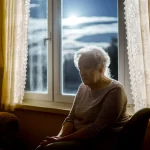
That quiet worry, what if I fall and no one knows?, can weigh heavily on your mind. For many older adults, the fear of lying on the floor without help is just as frightening as the fall itself. It can make you hesitant to move freely, avoid certain activities, or even lose sleep at night.
The truth is, you’re not overreacting. Falls are the leading cause of injury among seniors, and delayed help can make recovery much harder.
But here’s the reassuring part: there are practical tools and smart strategies that can make sure you’re never left alone without a way to call for help.
Quick Rundown: Worried About Falling and Not Getting Help? Here’s How to Stay Safe and Reassured
- Fear Is Common: Worrying about falling alone can lead to anxiety, reduced activity, and loss of independence.
- Safety First: Grab bars, slip-resistant flooring, brighter lighting, and clutter-free spaces lower fall risk.
- Call for Help Fast: Medical alert systems, smartwatches, and voice-activated devices ensure quick response.
- Stay Connected: Daily check-ins with family, neighbors, or automated services add extra security.
- Build Confidence: Balance exercises, safe footwear, and physical therapy help seniors stay steady on their feet.
- Check Health Factors: Medication reviews, vision/hearing exams, and good nutrition all reduce fall risks.
With these supports in place, let’s talk about how you can feel confident knowing that if you fall, help will always be within reach.

Understanding Why You Feel This Way
Why Falling Is a Real Concern
- Falls are the leading cause of injury for older adults.
- A fall can lead to broken bones, hospital stays, or long-term mobility problems.
- If you live alone, getting help quickly after a fall can be difficult.
How Fear Can Increase Fall Risk
- Fear of falling can cause you to move less, leading to weaker muscles and poor balance.
- Avoiding movement may make daily activities harder over time.
- Staying active with functional fitness and balance exercises is important to prevent falls and build confidence.
How to Make Your Home Safer
Remove Tripping Hazards
- Secure loose rugs or remove them.
- Keep floors clear of clutter, cords, and small furniture.
- Install non-slip mats in the bathroom and kitchen.
- Flooring safety is key – consider slip-resistant flooring options.
Improve Lighting
- Make sure hallways, staircases, and bathrooms have bright lighting.
- Use nightlights for better visibility at night.
- Consider motion-sensor lights for convenience.
Install Safety Features
- Place grab bars in the bathroom near the toilet and shower.
- Use handrails on both sides of staircases.
- A raised toilet seat or shower chair can provide extra support.
- Adaptive equipment like bed rails and stair lifts can further reduce risk.
- If you live alone, a monitoring device of some type can help greatly and give your family and loved ones peace of mind!
How to Get Help If You Fall
Medical Alert Systems
- Wearable emergency response systems allow you to press a button for immediate help.
- Some systems detect falls automatically and call for help.
- GPS-enabled alerts work inside and outside your home.
Voice-Activated Devices
- Smart home devices like Alexa or Google Home can call for help.
- Set up emergency contacts so you can say, “Call for help!“
- Hands-free phones with large buttons make dialing easier.
Here are some more great devices to help you be safer at home.
Regular Check-Ins
- Have a friend or family member call or text daily.
- Use automated check-in services that alert someone if you don’t respond.
- Set up a system with neighbors to check on each other.
How to Stay Active and Prevent Falls
Strength and Balance Exercises
- Simple exercises like Tai Chi and heel-to-toe walking improve stability.
- Chair yoga and gentle stretching can keep your muscles strong.
- Resistance bands help build strength without heavy lifting.
Wear Proper Footwear
- Choose non-slip footwear with sturdy soles.
- Avoid slippers with no support or shoes that are too loose.
- Socks with grip bottoms can prevent slipping on smooth floors.
Additional Ways to Prevent Falls
Medication Review
- Some medications can cause dizziness or affect balance.
- Talk to your doctor or pharmacist about side effects.
- Ask if any medications can be adjusted or changed to lower fall risk.
Vision and Hearing Checks
- Poor eyesight or hearing loss can make it harder to notice hazards.
- Get regular eye exams to update your glasses prescription.
- Hearing aids may help with balance by improving spatial awareness.
Nutrition and Hydration
- Eating well keeps your muscles strong and energy levels stable.
- Drink enough water to avoid dizziness from dehydration.
- Include calcium and vitamin D to support bone health and reduce fracture risk.
Community Resources for Fall Prevention
- Many local senior centers offer fall prevention workshops.
- Balance and exercise classes can help build strength and confidence.
- Some organizations provide home safety assessments for free or at low cost.
Check out this great fall prevention checklist!
Overcoming Fear of Falling
Build Confidence With Safe Movement
- Start small and practice standing up and sitting down safely.
- Use a walker or cane if needed, but make sure it’s the right height.
- Gait training with a physical therapist can improve stability.
- Practice fall recovery techniques so you know how to get up safely.
Talk to Your Doctor
- If you feel dizzy or unsteady, ask your doctor to check for balance issues.
- Some medications can cause dizziness – your doctor can review them.
- Vision changes can increase fall risk, so regular eye exams are important.
Addressing Anxiety About Falling
- Cognitive behavioral therapy can help manage fear and increase confidence.
- Relaxation techniques like deep breathing can reduce anxiety.
- Social engagement with family and friends helps maintain an active lifestyle.
Final Thoughts
Feeling worried about falling is understandable, but there are ways to stay safe. By making small changes to your home, using the right tools, and staying active, you can reduce your risk of falling and gain peace of mind.
Take action today. Make your home safer, talk to your loved ones, and explore options for getting help when you need it. You deserve to feel secure and independent in your home.