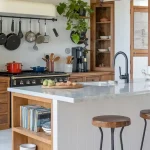
The kitchen is often the heart of the home, but for older adults, it can also be one of the riskiest places. Learning how to prevent falls in the kitchen is essential for safety, since slippery floors, cluttered counters, and reaching for items can all lead to serious accidents.
It’s easy to feel uneasy knowing a simple meal prep could end with a dangerous fall. The comforting part is that practical steps, from simple adjustments to smart products, can greatly reduce risks and keep the kitchen both safe and functional.
Quick Rundown
- Good lighting and clutter-free floors reduce fall risks in the kitchen.
- Non-slip rugs and secure footwear provide better stability.
- Organizing frequently used items at waist level prevents overreaching.
- Grab bars, sturdy chairs, or mobility aids add extra safety.
- Simple routines like cleaning spills immediately help maintain safety.
With these strategies in mind, let’s look at the most effective ways to make kitchens safer and more comfortable for seniors.

Falls in the kitchen can be a serious concern for older adults. And kitchens are one of the most common places where older adults experience a fall. As we age, our balance and strength may decrease, making everyday kitchen tasks more challenging and potentially dangerous.
Kitchen safety becomes paramount in elderly care and maintaining senior independence.
Kitchen Changes That Can Reduce Fall Risks for Elderly Include:
- Regular maintenance: Regularly inspect and maintain the kitchen for any potential hazards.
- Non-slip flooring: Install slip-resistant tiles, rugs, or flooring throughout the kitchen.
- Good lighting: Ensure ample lighting, especially in areas where shadows or glare may occur.
- Clear pathways: Remove clutter and obstacles from walkways to prevent tripping hazards.
- Secure handrails and grab bars: Install sturdy handrails near sinks, stoves, and refrigerators.
- Elevated seating: Use chairs with arms and elevated seating to facilitate easy entry and exit.
- Accessible storage: Place frequently used items within easy reach to minimize bending and reaching.
- Stable step stools: Provide sturdy step stools with wide, non-slip surfaces.
- Secure appliances: Ensure that appliances are securely attached and do not move easily.
A study analyzing fall-related emergency department visits in 2015 found that 71.6% of falls occurred indoors. (source: National Library of Medicine)
Wet or greasy floors are a major hazard, especially near the sink or stove. Throw rugs without non-slip backing can also cause trips.
Clutter on the floor or countertops can lead to accidents when moving around the kitchen.
Reaching for items in high cabinets or bending down for things in low drawers can throw seniors off balance.
Poor lighting is another risk factor, as it makes it harder to see obstacles or spills. Loose cabinet handles or wobbly chairs can give way unexpectedly.
Even pets underfoot can cause falls if seniors aren’t careful.
Understanding these risks is the first step in making your kitchen safer. By identifying potential hazards, you can make smart changes to reduce your chance of falling and stay independent in your home.
Home modification and safety modifications play a crucial role in accident prevention.
Assessing Kitchen Fall Risks
As we age, our kitchens can become more dangerous than we realize. It’s important to look at this space with fresh eyes to spot potential hazards.
Let’s go over some common kitchen risks for seniors and how to identify them.
How to identify potential fall risks
To find fall risks in your kitchen, try this: walk through your kitchen slowly, paying attention to every step. Look for things that could make you stumble or lose your balance. This is essentially a fall risk assessment.
Check if you have to reach too high or bend too low to get things you use often. See if there are any dark areas where you might not see clearly.
It’s a good idea to ask a family member or friend to help you with this. They might notice things you don’t.
Importance of regular safety assessments
Just like you go to the doctor for check-ups, your kitchen needs regular safety check-ups too.
As your needs change, your kitchen might need to change too. What was safe last year might not be safe now. Regular assessments can help you catch problems before they cause accidents.
Flooring Solutions
When it comes to preventing falls in the kitchen, your floor plays a big role. Let’s look at some ways to make your kitchen floor safer.
Best non-slip flooring options
If you’re thinking about replacing your kitchen floor, consider these non-slip options:
- Textured vinyl: This is affordable and comes in many designs. The texture gives you better grip.
- Cork: It’s soft underfoot and naturally slip-resistant. Plus, it’s eco-friendly!
- Rubber: While not common in kitchens, it’s very slip-resistant and easy on your joints.
Whatever flooring you choose, make sure it’s properly installed to avoid uneven surfaces or loose edges. Non-slip flooring options are essential for trip prevention.
Improving traction on existing floors
Don’t want to replace your floor? No problem! Here are some ways to make your current floor safer:
- Non-slip mats: Place these in areas where water often spills, like near the sink or refrigerator.
- Anti-slip treatments: These are clear coatings you can apply to your floor to increase traction.
- Regular cleaning: Keep your floor clean and dry. A dirty or wet floor is a slippery floor!
Importance of even surfaces and transitions
Uneven surfaces and abrupt transitions between different flooring types can be just as dangerous as slippery floors.
Here’s what to watch for:
- Thresholds: Make sure the transition between your kitchen and other rooms is smooth. If there’s a raised threshold, consider replacing it with a gradual slope.
- Repair any damage: Fix any cracks, chips, or loose tiles right away.
- Be careful with rugs: If you use area rugs, make sure they have non-slip backing and lie flat on the floor.
Lighting Improvements
Good lighting is a big deal when it comes to preventing falls in the kitchen. As we age, our eyes need more light to see clearly.
Crucial role of proper lighting in fall prevention
When you can’t see well, it’s easy to trip over things or misjudge distances. Good lighting helps you see obstacles, read labels, and move around safely. It’s like giving your eyes a helping hand.
“Even seemingly small reductions in visibility affect balance. Older adults with high levels of gait disorder exhibit more variable and less steady gaits when walking in dim lighting conditions.” (source: biomedcentral.com)
Proper lighting is crucial for fall prevention in the kitchen and throughout the home. Even seemingly small reductions in visibility can affect balance and increase the risk of falls.
Recommended lighting solutions for different kitchen areas
Every part of your kitchen needs good lighting. Here are some ideas:
- Countertops: Install under-cabinet lights to brighten up your work areas. This helps you see what you’re doing when you’re preparing food.
- Sink area: A bright light over the sink makes it easier to wash dishes and see if surfaces are clean.
- Stove: Good lighting over the stove helps you read dials and see into pots and pans.
- Pantry: Add a motion-sensor light in the pantry. It turns on automatically when you open the door, so you don’t have to fumble for a switch.
- General kitchen area: Use recessed ceiling lights that spread light evenly across the whole room. This helps eliminate dark corners where you might trip.
Smart lighting options for enhanced safety
Technology can make lighting even safer and more convenient. Here are some smart options to consider:
- Voice-controlled lights: You can turn these on and off just by speaking. No more reaching for switches in the dark!
- Motion-sensor lights: These turn on automatically when you enter the room. They’re great for nighttime trips to the kitchen.
- Dimmer switches: These let you adjust the brightness. You can have bright light for cooking and softer light for relaxing.
- Timed lights: Set these to turn on and off at certain times. They can light up the kitchen before you wake up in the morning.
Organizing for Safety
As we age, keeping our kitchen organized becomes more than just a matter of tidiness – it’s a crucial step in preventing falls and accidents.
Let’s look at some ways to make your kitchen safer and easier to use.
Arranging kitchen items for easy, safe access
The key to a safe kitchen is having everything you need within easy reach. Here are some tips:
- Move frequently used items to lower shelves or countertops. This way, you won’t have to stretch or use a step stool to reach them.
- Use lazy Susans in corner cabinets. They make it easy to access items at the back without having to reach too far.
- Install pull-out shelves in lower cabinets. These bring items to you, reducing the need to bend down and search.
- Keep heavier items at waist level. This makes them easier to lift and reduces the risk of dropping them.
Remember, the goal is to minimize reaching, bending, and lifting as much as possible.
Benefits of a clutter-free kitchen
A tidy kitchen isn’t just pleasant to look at – it’s safer too. Here’s why:
- Less tripping hazards: When counters and floors are clear, there’s less chance of bumping into things or tripping over items.
- Easier to clean: Spills are a major fall risk. When your kitchen is clutter-free, it’s easier to spot and clean up spills quickly.
- Reduced stress: A organized kitchen can help you feel more in control and less overwhelmed when preparing meals.
Ergonomic storage solutions
Ergonomic storage isn’t just for offices – it can make your kitchen safer and more comfortable too. Consider these options:
- Vertical dividers for baking sheets and cutting boards. These keep items upright and easy to grab.
- Drawer organizers for utensils and small tools. Everything has its place, making items easy to find without rummaging.
- Wall-mounted magnetic strips for knives and metal utensils. This keeps sharp objects secure and within easy reach.
- Under-cabinet lighting. This improves visibility and reduces eye strain when working at countertops.
By organizing your kitchen with safety in mind, you’re taking a big step towards preventing falls and maintaining your independence. Kitchen organization and clutter reduction are key aspects of safe cooking.
Optimizing Kitchen Layout for Safety
If you are completely remodeling your kitchen or building a new home, here are some tips on how to create a safe kitchen layout.
Proper spacing
Having enough space to move around is important. Here are some tips:
- Leave at least 3 feet of space between counters and islands. This gives you room to walk safely, even with a walker or wheelchair.
- Make sure there’s enough room to open the refrigerator, oven, and dishwasher without bumping into anything.
- If you have a kitchen table, leave plenty of space around it so you can pull out chairs easily.
Clear pathways
Keeping paths clear in your kitchen helps prevent trips and falls. Try these ideas:
- Remove any rugs or mats that might slide around.
- Keep the floor clear of items like pet bowls or trash cans.
- Make sure electrical cords are tucked away and not crossing walkways.
Ergonomic design
Ergonomic design means setting things up so they’re easy and comfortable to use. Here’s how to do that in your kitchen:
- Put things you use often between waist and shoulder height. This way, you don’t have to reach up high or bend down low.
- Consider a wall oven at waist height instead of a traditional oven. This makes it safer to put things in and take them out.
Supportive Kitchen Features
As we age, our kitchens may need some updates to keep us safe and independent. Let’s look at some changes that can make your kitchen easier to use and reduce your risk of falling. These updates often involve kitchen renovation and changes to the kitchen layout.
Recommended grab bars and handrails
Grab bars and handrails are like having an extra hand to hold onto when you need it. They can help you keep your balance and move around safely.
Here’s where you might want to put them:
- Near the sink: This gives you support while washing dishes or preparing food.
- By the stove: It can help you stay steady while cooking.
- Along walkways: These can guide you safely through the kitchen.
Remember, grab bars need to be installed correctly to be safe. It’s best to have a professional do this for you.
Modifying countertops and cabinets for safety
Your countertops and cabinets can be changed to make them safer and easier to use. Here are some ideas:
- Lower some countertops: This lets you work while sitting if you need to.
- Install pull-out shelves in cabinets: These bring items to you, so you don’t have to reach.
- Use D-shaped handles on cabinets: These are easier to grab than small knobs.
- Remove doors from some lower cabinets: This makes it easier to reach things inside. Or you can replace the cabinets with drawers.
These changes can help you avoid stretching or bending too much, which can cause you to lose your balance.
Adjustable-height work surfaces
Adjustable work surfaces are great because they can be changed to fit your needs. Here’s why they’re helpful:
- You can raise or lower them as needed: This means you can work standing up or sitting down.
- They can be adjusted for different tasks: You might want one height for chopping vegetables and another for kneading dough.
- They’re good for households where people of different heights use the kitchen: Everyone can work at a comfortable level.
These surfaces can help you avoid awkward positions that might make you lose your balance.
Adaptive Kitchen Tools
Okay, so you may not think that using the wrong kitchen tool could actually contribute to a fall in the kitchen, but the truth is, it can.
I remember a patient of mine who came into the rehab unit with a knee replacement because she fell in her kitchen while cutting an onion. Her cutting board slipped while she was working on it and when she bent down to pick it up, she fell and shattered her knee.
If she had used a non-slip cutting board she wouldn’t have fallen, at least not while cutting on onion!
Here are some adaptive kitchen tools that can help prevent falls and keep you cooking independently. These adaptive tools can provide balance support and act as mobility aids.
Ergonomic tools to prevent falls during cooking
Ergonomic tools are designed to fit your hand comfortably and reduce strain. Here are some examples:
- Non-slip cutting boards: These stay put on your counter, reducing the risk of slips while chopping.
- Jar openers: These make opening tight lids easier, so you don’t have to struggle and potentially lose your balance.
- Lightweight pots and pans: These are easier to lift and carry, reducing the risk of losing your balance while moving them.
- Long-handled tools: These help you reach items without stretching or bending too much.
How adaptive tools promote independence
Adaptive tools aren’t just about safety – they’re about keeping you independent in the kitchen.
When you can prepare meals safely on your own, you maintain control over your diet and daily routine. This independence can boost your confidence and overall well-being.
For example, an electric can opener might seem like a small thing, but it can make a big difference.
If you have arthritis or reduced hand strength, a manual can opener might be difficult or dangerous to use. An electric one lets you open cans safely and easily, all on your own.
Choosing the right tools for specific needs
Every person’s needs are different, so it’s important to choose tools that work for you. Here are some tips:
- Think about your specific challenges: Do you have trouble gripping? Reaching high shelves? Standing for long periods?
- Try before you buy: If possible, test out tools to see if they’re comfortable for you to use.
- Start small: You don’t need to replace everything at once. Start with one or two tools that address your biggest challenges.
- Ask for help: An occupational therapist can recommend tools based on your specific needs and abilities.
Professional Assessment
Sometimes, making your kitchen safer isn’t something you can do all on your own. That’s when it’s time to call in the experts. Let’s talk about when and why you might need professional help to make your kitchen a safer place.
This is where caregiver assistance and aging in place specialists can be invaluable.
Let’s talk about when and why you might need professional help to make your kitchen a safer place.
When to consult an occupational therapist
You might want to talk to an occupational therapist if:
- You’ve had a recent fall or a close call in the kitchen
- You’re finding it harder to do everyday tasks like cooking or reaching for items
- You’re worried about your balance or strength when moving around the kitchen
- You’ve been diagnosed with a condition that affects your mobility or vision
An occupational therapist can watch how you move in your kitchen and suggest changes that fit your specific needs. They’re like detectives, but instead of solving crimes, they solve kitchen safety puzzles!
Benefits of a home safety assessment
A home safety assessment is like giving your kitchen a check-up. Here’s why it’s a good idea:
- It can spot dangers you might not notice
- It gives you a plan to make your kitchen safer, step by step
- It can help you stay independent in your home for longer
- It might prevent falls before they happen
Preventing falls is much easier than recovering from them. A safety assessment is a smart way to stay one step ahead. Consider implementing fall prevention strategies throughout your entire home for comprehensive safety.”
Working with aging-in-place specialists
Aging-in-place specialists are experts at making homes work better for older adults. Here’s how they can help with your kitchen:
- They know all about the latest safety features and gadgets
- They can suggest changes that look good and work well
- They understand how to plan for future needs, not just current ones
- They can often do the work or recommend trusted contractors
Working with these specialists is like having a tour guide in the world of safe kitchens. They can show you all the best options and help you choose what’s right for you.
Asking for help isn’t a sign of weakness. It’s a smart way to stay safe and independent in your home. These professionals are there to support you and help you enjoy your kitchen for years to come.
While this article focuses on kitchen safety, it’s important to remember that fall risks exist in other areas of the home as well. For example, the bathroom can be particularly hazardous. Implementing bathroom fall prevention measures is equally crucial for overall home safety.