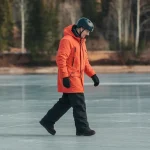
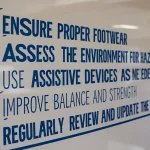
Getting outside for fresh air, sunshine, and movement is so important for health, but outdoor spaces come with extra hazards for older adults.
Outdoor fall prevention helps seniors stay active while lowering risks from uneven sidewalks, poor lighting, or slippery weather conditions. With a few smart precautions, outdoor time can remain safe and enjoyable.
The challenge is that most families focus on making the inside of the home safe, while forgetting that porches, driveways, and walking paths can be just as risky. The uplifting part is that small changes, like proper footwear, safer pathways, and better lighting, make a big difference in preventing outdoor falls.
Quick Rundown
- Outdoor fall prevention protects seniors on sidewalks, driveways, and garden paths.
- Good lighting, clear walkways, and slip-resistant surfaces reduce risks.
- Supportive footwear and mobility aids improve stability outside.
- Weather conditions like ice, rain, and wet leaves need special attention.
- Simple outdoor safety steps keep seniors active, independent, and confident.
Now, let’s explore the best outdoor fall prevention strategies so seniors can enjoy fresh air and movement without unnecessary risk.

The Prevalence of Falls Among Older Adults
Recent data from the Centers for Disease Control and Prevention (CDC) highlights the magnitude of this issue: (source: National Library of Medicine)
- In 2020, 27.6% of adults aged 65 and older (approximately 14 million) reported falling at least once in the previous year.
- Falls occurred more frequently among women (28.9%) compared to men (26.1%).
- In 2021, there were 38,742 fall-related deaths among older adults, with a death rate of 78.0 per 100,000 population.
These statistics underscore the importance of fall prevention and senior safety measures in elderly care.
Indoor vs. Outdoor Falls
While much attention has been given to indoor falls, research shows that outdoor falls are equally prevalent and often occur under different circumstances:
- A study published in the American Journal of Public Health found that at least 50% of falls among community-dwelling older adults occur outdoors.
- Outdoor falls tend to occur among more active individuals, while indoor falls are more common among frail older adults.
Characteristics of Outdoor Falls
Recent studies have provided insights into the unique contexts of outdoor falls:
- Many outdoor falls occur in familiar areas that seniors frequent regularly.
- Falls often happen when bystanders are present, which may affect how seniors respond to the incident.
- A significant number of outdoor falls have unreported or unknown attributions, making fall mitigation strategies more challenging to develop.
Common Outdoor Hazards and Tripping Hazards
Understanding the most common environmental hazards is crucial for preventing outdoor falls.
These include:
- Uneven sidewalks and street surfaces
- Cracks in sidewalks
- Curbs and steps
- Slippery surfaces, especially in wet or icy conditions
- Obstacles or objects on walkways
- Poor lighting, especially in early morning or evening hours
- Garden tools, hoses and other outdoor clutter left on walkways can be trip hazards; decluttering your yard and storing items properly helps prevent falls.
Studies show that about 73% of outdoor falls are precipitated by these types of environmental factors, with most occurring on sidewalks, curbs, and streets.
Key Outdoor Fall Prevention Measures
1. Proper Footwear with Slip Resistance
Wearing sturdy, non-slip shoes is crucial for outdoor safety. Ensure that footwear provides good support and traction, especially in wet or icy conditions.
2. Environmental Awareness
- Be mindful of uneven surfaces, cracks in sidewalks, and obstacles.
- Pay attention to changes in terrain, such as curbs or steps.
- Use caution when walking on wet or icy surfaces.
3. Use of Assistive Devices and Mobility Aids
Proper use of canes, walkers, or other mobility aids can significantly reduce fall risk. Ensure these devices are appropriate for outdoor use and properly adjusted.
Assistive Devices for Outdoor Use
- Choose canes or walkers specifically designed for outdoor terrain.
- Learn proper techniques for using these devices on different surfaces (e.g., gravel, grass, or uneven pavement).
- Consult with healthcare providers or physical therapists to select the most appropriate device for individual needs and outdoor activities.
4. Improve Outdoor Lighting
Adequate lighting is essential, especially during early morning or evening hours. Consider carrying a flashlight or using reflective gear in low-light conditions.
5. Regular Exercise for Balance Improvement and Gait Stability
Engaging in balance exercises and strength training can improve stability and reduce fall risk. Tai chi, in particular, has been shown to be effective in fall prevention.
6. Regular Vision and Medication Reviews
Schedule regular eye exams and review medications with healthcare providers, as some may increase fall risks.
Key Outdoor Fall Prevention Tips
- Stay aware of uneven terrain or slippery surfaces.
- Check the height of curbs and steps before stepping.
- Walk on grass if sidewalks appear slippery or uneven.
- Wear correct eyewear and sunglasses when walking outdoors.
- Choose well-lit areas for evening walks.
- Use handrails on stairs and inclines when available.
- Take your time and avoid rushing, especially in unfamiliar areas.
- Carry a cell phone for emergencies.
These safety measures contribute significantly to fall avoidance and risk reduction.
Maintaining an Active Lifestyle Safely
Seniors can stay active while reducing fall risks by:
- Using assistive devices when needed
- Being aware of surroundings and potential hazards
- Exercising regularly to improve strength and balance
- Walking with a companion when possible
- Avoiding rushed movements and taking time to adjust to changes in lighting
- Considering reflective gear or carrying a flashlight in low light conditions
The Paradox of Physical Activity and Fall Risk
While regular physical activity is crucial for overall health and fall prevention, more active seniors may paradoxically face a higher risk of outdoor falls due to increased exposure to environmental hazards.
It’s essential to balance fall protection strategies with maintaining an active lifestyle.
Consult with healthcare providers to develop a personalized plan that addresses individual risk factors and activity levels.
Effective Exercises for Fall Prevention
The most effective exercise programs for fall prevention typically include:
- Balance exercises and gait stability training
- Strength and resistance exercises
- Flexibility exercises
- Tai chi or other 3-dimensional movement training
- General physical activity and endurance exercises
Studies show that multi-component exercise programs that combine these elements can reduce fall rates by approximately 23-25% in community-dwelling older adults.
Neighborhood Factors in Fall Prevention
The neighborhood environment plays a significant role in fall risk and prevention strategies for seniors:
- Urban planning can impact fall risks through the design of sidewalks, crosswalks, and public spaces.
- Community resources such as crossing guards and delivery services can help seniors navigate potential hazards.
- Personal strategies used by seniors to address neighborhood risks include:
- Planning routes to avoid known hazards
- Using public transportation or ride-sharing services when necessary
- Participating in community fall prevention programs
Community Improvements for Fall Prevention
Communities can enhance outdoor safety and make outdoor spaces safer by:
- Maintaining even sidewalk and street surfaces
- Promptly addressing weather-related hazards like ice and snow
- Improving outdoor lighting, especially in areas frequented by seniors
- Installing handrails on outdoor stairways and inclines
- Providing rest areas with benches along walking routes
- Ensuring curb cuts and ramps are accessible and in good condition
- Implementing traffic calming measures to improve pedestrian safety
These environmental modifications can significantly contribute to injury prevention and fall mitigation.
The Role of Physical Fitness
Physical fitness is crucial for fall prevention. Regular exercise helps by:
- Improving balance and coordination
- Increasing muscle strength, especially in the lower body
- Enhancing flexibility and range of motion
- Boosting overall endurance and stamina
- Maintaining bone density
Staying physically active also helps seniors maintain the confidence and ability to safely navigate outdoor environments.
However, it’s important to start gradually and consult with a healthcare provider before beginning a new exercise program.
Conclusion
As the promotion of active lifestyles among older adults continues, it’s crucial to address outdoor fall risks.
By implementing these fall prevention measures and advocating for safer outdoor environments, we can help reduce the incidence of falls and related injuries among seniors.
Remember that fall prevention is an ongoing process that requires awareness, preparation, and adaptation to changing personal and environmental factors.