Activities play a pivotal role in the care of individuals with dementia, offering more than just a way to pass the time.
Engaging in thoughtfully designed activities can significantly improve cognitive functions, emotional well-being, and overall quality of life for those living with dementia.
Board games, card games, arts and crafts, listening to music, and getting some light exercise are especially beneficial. (and they make for great gifts too!)
Read our article, Easy Crafts For Seniors With Dementia.
Some of these recognizable activities can trigger long-buried memories in a dementia patient that wouldn’t have come out otherwise.
That’s especially true of listening to music from their time or watching an old film or television show. Even cooking and gardening can dislodge old memories.
Outside of activities, dementia patients must have a regular, consistent routine as well. Going to the same places the senior always used to run errands can likewise reignite old memories.
The Science Behind Activities for Dementia
Activities designed for dementia patients are more than simple pastimes; they’re grounded in scientific principles aimed at stimulating cognitive and emotional faculties.
Cognitive stimulation involves activities that challenge the brain, potentially slowing the progression of dementia symptoms and improving mood and self-esteem.
Emotional well-being is equally crucial, as engaging in enjoyable activities can reduce feelings of isolation, depression, and anxiety.
By incorporating a variety of activities that cater to different aspects of cognitive and emotional health, caregivers can create a comprehensive care approach that supports the complex needs of dementia patients.
Types of Beneficial Activities for Dementia Patients
Cognitive Activities
Cognitive activities are designed to stimulate thinking and memory.
Puzzles, memory games, and simple problem-solving tasks can help maintain cognitive function in dementia patients.
These activities offer a sense of accomplishment and can be adjusted to match the individual’s ability level, ensuring they are both challenging and achievable.
Physical Activities
Physical exercise is not only beneficial for physical health but also for cognitive health.
Gentle exercises, walking, and even seated activities can help improve mobility, reduce the risk of falls, and promote better sleep patterns.
Additionally, physical activities can be a joyful social experience when done in groups or with a companion.
Social Activities
Social interactions play a critical role in maintaining emotional health.
Group activities, family visits, and even video calls can help reduce feelings of isolation.
Social activities encourage communication, which can be particularly empowering for dementia patients, helping them retain their social skills and feel connected to their community.
Creative Activities
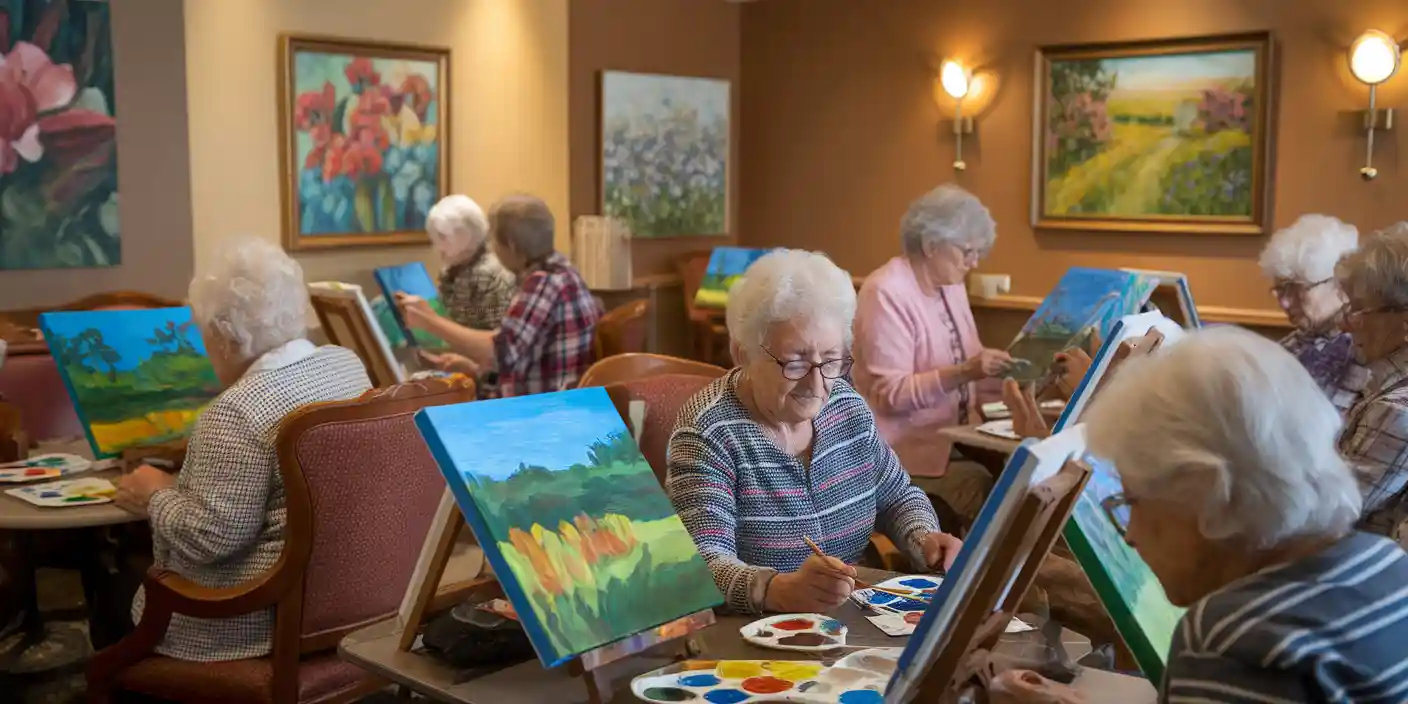
Engaging in creativity can be incredibly therapeutic for individuals with dementia.
Activities like painting, music, and gardening allow for self-expression and can evoke memories and emotions, providing comfort and joy.
These activities also offer opportunities for non-verbal communication, which can be particularly valuable for those who find verbal communication challenging.
Implementing Activities into Daily Routine
Incorporating these activities into the daily routine of a dementia patient requires patience, creativity, and flexibility.
Here are some practical tips for caregivers:
- Create a Schedule: Establishing a routine can provide a sense of stability for dementia patients. However, it’s important to remain flexible, adjusting activities based on the individual’s mood and energy levels.
- Personalize Activities: Tailor activities to the individual’s interests and past experiences to increase engagement and enjoyment.
- Encourage Independence: Allow dementia patients to do as much as possible on their own, offering support only when necessary. This can help maintain their sense of autonomy and self-esteem.
- Monitor Responses: Pay attention to how the individual responds to different activities and adjust accordingly. What works one day may not work another, and that’s okay.
Challenges and Solutions in Engaging Dementia Patients
Engaging individuals with dementia in activities can sometimes be challenging.
Here are common obstacles and strategies to overcome them:
- Lack of Interest: If a dementia patient seems uninterested in an activity, it might not be suited to their preferences or abilities. Experiment with different types of activities to find what resonates.
- Communication Barriers: Use simple, clear instructions and visual aids if necessary. Patience and a calm demeanor can also help reduce frustration.
- Physical Limitations: Adapt activities to accommodate physical constraints. For example, if mobility is an issue, focus on seated activities or exercises.
- Behavioral Issues: Be prepared to redirect and offer alternatives if an activity becomes too challenging or frustrating. Maintaining a positive, encouraging environment can help alleviate stress and anxiety.
Resources and Support for Caregivers
Caregiving for someone with dementia is a demanding role that requires support and resources.
Here are a few avenues for assistance:
- Support Groups: Connecting with other caregivers can provide emotional support and practical advice.
- Professional Help: Don’t hesitate to seek help from healthcare professionals, including dementia care specialists and occupational therapists.
- Online Resources: Numerous websites and forums offer tips, activity ideas, and support for caregivers of dementia patients.
By understanding the importance of activities for dementia patients and implementing these strategies, caregivers can significantly enhance the quality of life for those they care for.
Engaging in meaningful activities not only supports cognitive and emotional well-being but also strengthens the bond between caregivers and dementia patients, creating moments of joy and connection amidst the challenges of dementia care.