Yes, extensive research indicates that gardening can help with memory loss by engaging the mind and body in therapeutic activity.
The multifaceted benefits of tending to a garden, from sensory stimulation to stress reduction, make it an excellent tool for supporting brain health and mitigating cognitive decline.
Quick Rundown: Gardening as a Gentle Tool for Memory Loss Support
- Stimulates the senses: Colors, textures, and scents spark brain activity and trigger long-term memories.
- Encourages movement: Gentle tasks like watering, planting, and pruning improve circulation and coordination.
- Reduces stress: Outdoor time lowers cortisol, eases agitation, and supports relaxation for dementia care.
- Boosts mood and purpose: Caring for plants fosters responsibility, joy, and a sense of accomplishment.
- Supports social connection: Group gardening or family participation strengthens bonds and eases loneliness.
- Adaptable for all stages: Raised beds, container gardens, and adaptive tools make it possible even with mobility challenges.
Watching a loved one struggle with memory loss, or facing it yourself, can feel overwhelming. You want to find effective, natural ways to support brain health and maintain a high quality of life.
We specialize in providing evidence-based advice for senior well-being, helping you navigate these challenges with confidence and practical solutions.
To understand this powerful connection, let’s dig into the specific ways gardening helps with memory.
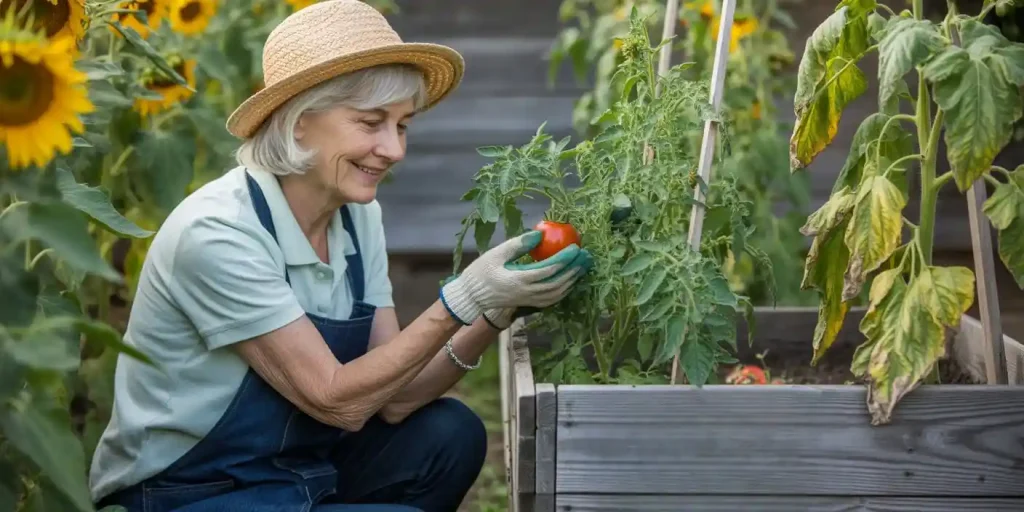
Can Gardening Really Help With Memory Loss?
Yes, and here’s how.
In 2025, several studies confirmed that gardening improves memory and attention in older adults by supporting:
- Cognitive stimulation (planning, learning plant names, solving problems)
- Neuroplasticity (strengthening brain pathways through repeated activity)
- Mood and emotion regulation (lower stress means better focus)
- Vitamin D exposure (sunlight helps the brain stay sharp)
- Executive function (decision-making, daily tasks, routines)
One study found older adults who gardened had 28% lower odds of cognitive decline. Another showed a 12-week gardening program increased BDNF, a brain chemical linked to memory and attention.
Gardening is a powerful, natural tool that supports memory and reduces mental fatigue.
❓ Can gardening slow down early dementia symptoms?
💬 Yes, gardening can help manage early dementia symptoms by reducing anxiety, improving mood, and supporting memory through daily routines and sensory activities. While it can’t stop the condition, studies show it may help slow progression by keeping the brain engaged and supporting executive function like planning and focus.
My Experience: Growing Confidence Through Gardening
I once helped my neighbor Ellen, a retired teacher, create a small memory garden using herbs and flowers. She had mild memory loss and sometimes forgot familiar names or tasks.
At first, she was unsure. But after a few weeks of caring for her basil, lavender, and tomatoes, things started changing.
Ellen remembered her watering schedule. She named her plants. And she started smiling again.
Another time, I worked with a woman in memory care who used a raised bed garden with color-coded plant zones. It helped her recall daily tasks, reduce agitation, and feel calm.
She even reminded others what time the group garden session was. That small garden became her daily source of joy and confidence.
Why Gardening Helps Brain Health
Here’s what gardening does for the brain:
- Sensory stimulation: Smelling lavender, feeling soil, hearing birds, these all activate memory
- Sunlight & vitamin D: Boosts mood and protects against cognitive decline
- Neurochemical support: Increases brain chemicals like serotonin and BDNF
- Cognitive tasks: Remembering steps, solving problems, organizing planting
- Reduces stress: Calms the nervous system, which helps memory function
It’s not just digging. It’s therapy for the mind and body.
Gardening Supports Executive Function and Mental Clarity
Executive function includes the mental skills that help with:
- Planning your day
- Making decisions
- Following instructions
Gardening activates all of these. From choosing seeds to labeling plants to organizing watering schedules, gardening keeps the brain engaged in healthy ways.
✅ Even small wins, like remembering when to water, can help seniors feel successful and mentally alert.
❓ What are the best plants for seniors with memory problems?
💬 The best plants are ones that stimulate multiple senses and are easy to care for. Try herbs like lavender, mint, and rosemary for scent, and colorful flowers like marigolds and zinnias for visual interest. Edible plants like cherry tomatoes and strawberries also help trigger taste memories and give a sense of reward when harvested.
Taste, Nutrition, and Memory Boosts
Growing your own food brings nutritional and emotional benefits. Taste and smell are deeply linked to memory recall, think of how fresh basil or tomatoes can remind you of childhood meals.
Plus:
- Home-grown vegetables promote healthier eating
- Cooking with fresh herbs encourages independence
- Tasting what you grow engages long-term memory
Gardening can even support a Mediterranean-style diet, which is proven to lower the risk of dementia.
Sense of Purpose: One of the Most Important Benefits
As memory fades, many older adults begin to feel useless or invisible. Gardening brings that sense of purpose and accomplishment back.
Gardening gives you:
- A reason to get up and move
- Something meaningful to care for
- Visual progress you can feel proud of
Even one potted plant can bring joy and hope back into someone’s daily life.
The Social Power of Community Gardening
Q: Is gardening more helpful when done with others?
Yes! Social interaction supports cognitive health, too.
- Gardening with a group can reduce isolation and depression
- Sharing harvests creates emotional connection
- Talking about your plants boosts verbal memory and confidence
🌻 Join a local community garden, senior center project, or gardening club. It’s good for the brain and the heart.
What Type of Gardening Is Best for Memory Loss?
Any type of hands-on gardening can help, but research shows the best results come from:
- 20–30 minutes of gardening, 3 times per week
- Sensory plants like rosemary, mint, lavender, basil
- Activities that involve planning and observation
- Edible plants that engage taste and memory
- Raised garden beds for easy access
Don’t worry if space is limited. Balcony gardens, containers, and even indoor vertical gardens work great, too.
❓ What should I do if my loved one forgets to care for the plants?
💬 Create visual cues and reminders, like signs, watering charts, or alarms. Involve them in group gardening where care is shared. Choose low-maintenance plants such as succulents or herbs that don’t need daily attention. Even if the plants don’t thrive, the act of participating still provides memory and mood benefits.
How to Make Gardening Safe and Accessible
If your loved one has memory loss, you can still make gardening work, just adjust it for safety.
Here’s how:
- Raised beds (28–30 inches tall) for less bending
- Sturdy benches nearby for resting
- Wide paths (36 inches or more) for walkers or wheelchairs
- Large-print plant labels with pictures
- Easy-grip tools with padded handles
- Non-toxic plants in case of confusion or ingestion
- Reminders (alarms, charts) for watering schedules
🏡 Some memory care homes use circular garden paths so residents can walk safely without getting lost.
❓ How do I help a loved one with dementia garden safely?
💬 Keep things simple and safe. Use raised beds, non-toxic plants, and label everything with pictures and large text. Avoid sharp tools and create a calm, supervised environment. Encourage short sessions (10–20 minutes) and focus on enjoyment, not perfection. Familiar tasks like watering or touching soil can offer emotional comfort.
❓ Is indoor gardening just as helpful as outdoor gardening?
💬 Yes, indoor gardening can be just as effective. Potted plants, tabletop herb gardens, or vertical wall gardens bring the same cognitive and emotional benefits, especially in colder months or for those with limited mobility. As long as there’s light, routine, and sensory stimulation, the brain benefits are still strong.
The Science Behind Gardening and Memory
Recent 2025 research shows:
- 28% lower risk of cognitive decline in gardeners
- Gardening improves attention restoration and mental focus
- Increases neuroplasticity and brain-derived factors
- Reduces depression and anxiety, both linked to memory problems
- Helps regulate behaviors like agitation, aggression, and wandering in dementia
These are real, measurable outcomes, and they come from a simple, joyful activity.
Quick Action Tips for Caregivers
- Start with 2–3 sensory plants
- Use raised beds or tabletop gardens
- Schedule 3 short sessions per week
- Add music or journal time to boost engagement
- Use garden logs or plant labels as memory tools
- Celebrate small wins, “Look what sprouted today!”
- Encourage group gardening or join a local club
- Cook with home-grown herbs to boost nutrition and memory
Final Thoughts: Plant Memory, Grow Hope
For me, gardening has always felt like a healing space, a place where things grow even when life feels hard. And I’ve seen how it helps people remember, reconnect, and feel strong again.
If you or someone you love is facing memory loss, try starting with just one plant. Watch it grow. Let it bring light back into the day.
Because sometimes, all it takes to remember who we are is the smell of rosemary, the feel of warm soil, or the joy of watching something bloom. 🌿💚