Caring for someone who is bedridden brings unique challenges, and one of the most pressing questions families face is whether it’s ever safe to leave them alone.
Maybe you’re juggling work, errands, or other responsibilities, and the thought of stepping away fills you with guilt or worry. You’re not alone in feeling torn, wanting to protect your loved one while also needing moments to tend to your own life.
The truth is, safety depends on many factors: your loved one’s health, their ability to communicate, and the support systems you have in place. While some situations may allow for short breaks, others call for constant supervision.
This article will help you sort through the risks, the safeguards you can put in place, and the options available for support when you can’t always be there.
Quick Rundown: Can a Bedridden Person Be Left Alone? What Families Need to Know
- Not Automatically Illegal: But leaving a bedridden senior alone can quickly become unsafe and even qualify as neglect under state laws.
- Serious Health Risks: Falls, pressure sores, dehydration, malnutrition, and infections can occur without supervision.
- Emotional Harm: Isolation fuels depression, anxiety, and feelings of abandonment.
- Legal Consequences: States like California and Florida classify elder neglect or abandonment as punishable crimes.
- Safer Solutions: Respite care, home health aides, monitoring technology, and adaptive equipment reduce risks.
- Protect Caregivers Too: Use support groups, breaks, and financial aid programs to prevent burnout and stress.
Let’s start by looking at why being bedridden creates unique safety concerns and what that means for day-to-day caregiving.
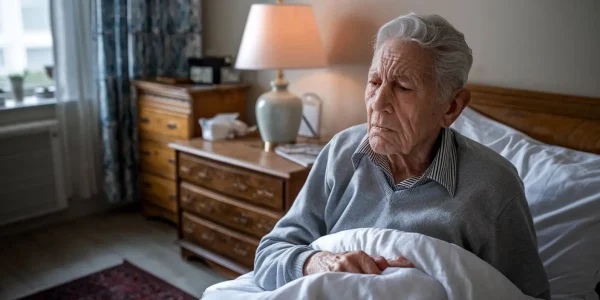
Understanding the Risks of Leaving a Bedridden Senior Alone
Leaving a bedridden senior alone can lead to serious health and safety issues. Let’s break it down:
Physical Risks
Bedridden seniors face risks like falls, pressure sores, infections, dehydration, and malnutrition. For example, I once worked with a family whose mother developed severe pressure sores because she wasn’t repositioned often enough.
These sores can lead to painful infections and even hospitalization. Without someone to help them move, eat, or drink, bedridden seniors can quickly face life-threatening situations.
Emotional and Psychological Risks
Being alone for long periods can also harm a senior’s mental health. Feelings of isolation, depression, and anxiety are common.
I’ve seen how a lack of companionship can make seniors feel forgotten or unloved. Regular interaction and mental stimulation are just as important as physical care.
Legal Implications of Leaving a Bedridden Senior Alone
Elder Neglect Laws
In most states, leaving a bedridden senior alone for extended periods can be considered neglect or abandonment. These laws exist to protect vulnerable adults from harm.
If you’re the primary caregiver, you have a legal responsibility to ensure your loved one’s safety and well-being. Failing to do so could result in fines or even jail time.
State-Specific Examples
For instance, in California, elder neglect is a misdemeanor punishable by fines or jail time. In Florida, abandonment of an elderly person is a felony. Check your state’s laws to understand your responsibilities.
Practical Solutions for Caregivers
Caring for a bedridden senior is a big responsibility, but you don’t have to do it alone. Here are some practical solutions to help you provide the best care:
Respite Care and Professional Support
Respite care services can give you a much-needed break while ensuring your loved one is safe. Adult day programs and home health aides are great options.
I’ve worked with many families who found relief through these services. They allow you to recharge while knowing your loved one is in good hands.
Financial Assistance for Caregivers
Programs like Medicaid and VA benefits can help cover the cost of professional care. Contact your local Area Agency on Aging to learn about available resources.
Home Safety Modifications
Making small changes to your home can greatly reduce risks. Bed rails, pressure-relieving mattresses, and monitoring systems can help prevent falls and pressure sores.
I always recommend consulting a home safety specialist to assess your home and suggest modifications.
Technology and Remote Monitoring
Medical alert systems, cameras, and wearable devices can give you peace of mind when you can’t be there in person. These tools allow you to check on your loved one and respond quickly in case of an emergency.
Recommended Medical Equipment
- Hospital Beds: Adjustable beds can improve comfort and reduce the risk of pressure sores.
- Lift Chairs: These chairs help seniors sit and stand safely.
- Transfer Boards: Useful for moving seniors from bed to wheelchair.
Emergency Preparedness for Bedridden Seniors
Creating an emergency plan is crucial for bedridden seniors. Here are some tips:
- Keep a list of emergency contacts, including doctors and family members.
- Assemble an emergency kit with medications, medical records, and supplies.
- Practice evacuation procedures in case of fire or natural disaster.
Recognizing and Preventing Caregiver Burnout
Caregiver burnout is common, but there are ways to prevent it:
- Watch for Signs: Feeling exhausted, irritable, or overwhelmed are common signs of burnout.
- Take Breaks: Use respite care or ask family members to step in.
- Join a Support Group: Connecting with other caregivers can provide emotional support.
Ethical Considerations in Elderly Care
Caring for a bedridden senior isn’t just about physical safety – it’s also about respecting their dignity and independence. I’ve found that involving seniors in decisions about their care can make a big difference.
Talk to your loved one about their preferences and concerns. This helps them feel valued and in control.
At the same time, don’t forget to take care of yourself. Caregiving can be emotionally draining, and it’s okay to ask for help. Remember, you’re doing your best, and that’s what matters most.
Conclusion
Caring for a bedridden senior is a challenging but deeply rewarding responsibility. While leaving them alone for long periods isn’t safe or legal, there are many resources and solutions to help you provide the care they need.
From professional support to home modifications, you have options to ensure their safety and well-being.
If you’re feeling overwhelmed, reach out to a professional or explore local resources. You don’t have to face this alone. Together, we can create a safe and loving environment for your loved one.
Additional Resources
- Age Safe America: For home safety assessments and certifications.
- AOTA (American Occupational Therapy Association): For professional guidelines and support.
- Local Caregiver Support Groups: Connect with others facing similar challenges.