Bathroom safety is one of the biggest concerns for seniors and family caregivers. So let’s answer the question right away: suction grab bars do not work as safe, weight-bearing supports.
They can provide light balance help on smooth, non-porous tile, but they are not reliable for preventing falls.
Quick Rundown: The Truth About Suction Grab Bars
- Limited Use: Suction grab bars provide balance support only, not safe for transfers or full weight.
- Seal Weakness: Moisture, steam, and temperature changes can quickly break the vacuum seal.
- Short-Term Help: Best for travel, rentals, or temporary recovery, not permanent safety needs.
- Safer Choice: Stud-mounted grab bars meet ADA standards and provide reliable support.
- Daily Safety Check: Always do tug tests and re-seat suction bars if used at all.
- Affordable Permanence: Permanent grab bars are often less costly than expected and may qualify for grants or VA aid.
Let’s look at how suction grab bars work, their risks, and what safer alternatives you should consider.
What Are Suction Grab Bars?
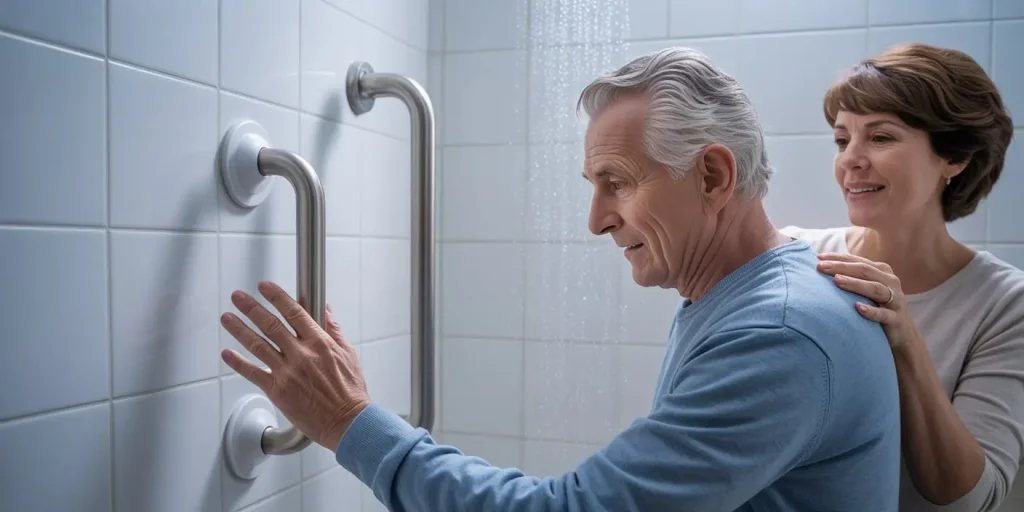
Suction grab bars attach to walls using large suction cups. You flip down the locking levers, and the vacuum seal creates temporary adhesion. They are sold as “no-drill” grab bars, making them attractive for renters or frequent travelers who can’t drill into walls.
The problem is false sense of security. Unlike stud-mounted grab bars anchored into wall framing, suction grab bars cannot handle the sudden peel and shear forces that happen during a slip.
If you want to try a suction grab bar, this is one popular option: TAILI 2-Pack Suction Grab Bars
❓ Can suction grab bars be used on fiberglass or plastic shower walls?
💬 Suction grab bars only work on smooth, non-porous, flat surfaces like glass or glossy tile. Fiberglass and acrylic shower walls often flex or have texture, which weakens the suction seal. Permanent grab bars are the safer option for these surfaces.
Do Suction Grab Bars Work?
No, suction grab bars do not work for true fall prevention. Dynamic loads from slips or transfers often exceed what a suction cup can hold. Even if the indicator window shows “locked,” the vacuum seal may already be failing from bathroom humidity or condensation.
ADA standards require grab bars to support at least 250 pounds of force, mounted securely into studs. Suction grab bars never meet this compliance.
I once visited a friend’s father who relied on a suction grab bar. He thought it was secure, but when he slipped in the shower, the bar popped off instantly. Thankfully he only bruised his shoulder, but the family replaced it with a permanent bar right away.
❓ Are suction grab bars safe for elderly people living alone?
💬 No. Seniors living alone face a higher risk if a suction bar fails. Without a caregiver present, a fall could lead to serious injury or long waits for help. Permanent grab bars anchored into studs are the safest choice for those aging in place.
How Much Weight Can Suction Grab Bars Hold?
Manufacturers often claim suction bars can support 200–300 pounds, but these numbers are misleading.
- Advertised capacity: Up to 250 lbs static load.
- Real-world results: Failures can happen under 75–100 lbs of sudden, uneven force.
- ADA requirement: 250 lbs minimum, with safety factor, mounted into studs.
This mismatch between marketing and reality is why experts say suction grab bars should never be used as primary support.
When Might Suction Grab Bars Be Useful?
Suction grab bars may be acceptable as a secondary stabilizer in specific situations:
- Short-term post-surgery recovery (hip, knee, or back).
- Travel or hotels, where permanent modifications aren’t allowed.
- Rental homes, when landlords prohibit drilling.
Even then, they should always be paired with other supports like a shower chair, transfer bench, or clamp-on tub rail.
If you want a suction bar with indicator, here’s a model you might try: AmeriLuck 16.5-inch Suction Grab Bars with Indicators.
I once used a suction bar myself in a vacation rental. I placed it on a smooth glass wall, tug-tested it, and only used it for light balance while stepping onto a non-slip mat. It gave me peace of mind, but I never leaned or pulled on it.
What Are the Safety Problems With Suction Grab Bars?
- Surface limits: Must be smooth, non-porous, at least 4×4 inches wide, with no grout lines.
- Moisture and steam: Break the vacuum seal over time.
- Temperature swings: Hot showers and cool air reduce adhesion.
- Indicator windows: Not load sensors, may show green even when suction is weak.
- Dynamic slip forces: A sudden grab can apply over 200 lbs of pressure.
How Do You Maintain Suction Grab Bars if You Use Them?
If you choose to use suction grab bars, follow strict maintenance:
- Clean both suction cups and tile with mild soap and dry fully before attaching.
- Re-seat the bar daily, especially after hot showers.
- Perform a tug test before every use.
- Replace immediately if cups are cracked, warped, or won’t hold suction.
❓ How often should suction grab bars be reinstalled?
💬 At least once daily. Humidity and condensation reduce holding strength quickly. Always clean, re-seat, and test before stepping into the shower.
Where Should Grab Bars Be Placed for Safety?
Proper placement is just as important as installation type.
- Vertical bars near shower or tub entry: steadying as you step in.
- Horizontal bars along the back wall: balance once inside.
- Beside the toilet: mounted 33–36 inches from the floor.
- Near the tub edge: for safe entry and exit.
❓ What is the difference between vertical and horizontal grab bar placement?
💬 Vertical bars help with entry and exit, while horizontal bars are better for standing balance. Most bathrooms need both, but only permanent installations provide reliable safety in either direction.
What Are Safer Alternatives?
For dependable fall prevention, these are stronger options:
- Permanent grab bars: Stud-mounted, knurled or textured grips, ADA-compliant height (33–36 in). One strong model is ZUEXT 12-inch Permanent Stainless Steel Grab Bar.
- Stainless steel wall mount bars: A good set is Lifeassist 2-Pack 24-inch ADA Stainless Steel Grab Bars.
- Clamp-on tub rails: Secure on the tub edge for transfers.
- Shower chairs and transfer benches: Reduce need for standing.
- Non-slip mats and flooring: Minimize slips.
- Specialty anchors like WingIts: Allow mounting into tile when studs aren’t accessible.
How Do Suction vs Permanent Grab Bars Compare in Cost?
- Suction grab bar: $20–$60
- Permanent grab bar: $30–$80 for the bar
- Professional installation: $100–$200 per bar
- Hospital visit for a fall: Thousands of dollars or more
Many local agencies, senior centers, and VA benefits provide free or subsidized installation for permanent grab bars.
❓ Are suction grab bars covered by Medicare or insurance?
💬 No. Medicare and most insurance plans don’t cover suction grab bars because they are not classified as durable medical equipment. Some programs may help with permanent grab bars through home modification funding.
What Should Caregivers Know?
Caregivers should never treat suction grab bars as a substitute for permanent safety. Instead:
- Re-seat and test daily.
- Place suction bars only where a senior might need balance assist, not where they’ll pull full weight.
- Encourage use of a shower chair or secondary support like a transfer bench.
- Watch for signs of bar loosening, especially in humid bathrooms.
One caregiver told me her mother used a suction grab bar while visiting. It detached mid-shower, leaving her shaken but unhurt. They immediately installed permanent ADA-compliant grab bars, and her confidence returned.
Final Thoughts
Suction grab bars do not work as reliable fall-prevention devices. They may provide light balance support in specific rental or travel situations, but they should never replace anchored grab bars.
If your bathroom allows it, invest in a stud-mounted grab bar with textured grip. If you must use suction grab bars, treat them only as a secondary stabilizer, and always pair with non-slip flooring, benches, or tub rails.
Your safety and independence are worth more than convenience. One small change today can prevent a devastating fall tomorrow.