Caring for a spouse can be one of the most loving acts, but it can also bring financial strain. Many people wonder, what states pay spouse caregivers and how to access that kind of support.
The encouraging news is that some state programs, often through Medicaid, do allow spouses to be compensated for caregiving. While rules vary widely, knowing your options can ease stress and help you continue providing care without sacrificing financial stability.
Quick Rundown: Which States Pay Spouses to Care for Their Elderly Partners
- Many States Offer Pay for Spousal Caregivers: Through Medicaid waiver programs, some states compensate spouses who provide in-home care.
- Eligibility Varies Widely: Each state sets its own rules based on income, assets, and the care recipient’s medical needs.
- Programs Go by Different Names: Look for Medicaid Home and Community-Based Services (HCBS) or Cash and Counseling programs in your state.
- Payments Depend on Care Level: Compensation is often based on hours of care provided and the individual’s level of disability.
- Apply Through Local Agencies: Contact your state’s Medicaid office or Area Agency on Aging to start the application process.
- Protects Both Partners: These programs help keep couples together at home while easing the financial strain of caregiving.
Let’s go through which states currently offer payment for spouse caregivers and how these programs typically work.
Overview of Programs and Eligibility Requirements
Many states recognize the financial strain that caregiving can put on families. To help, they’ve created Medicaid programs for spouse caregivers that offer financial support.
These programs, often called Consumer-directed Medicaid services, allow the care recipient (your partner) to select their caregiver, which can include a spouse.
These programs generally require the person receiving care to need help with daily tasks like bathing, dressing, or moving around.
If your partner qualifies for Medicaid and needs this kind of support, you might be eligible for compensation for caregiving spouses.
State-by-State Spouse Caregiver Benefits
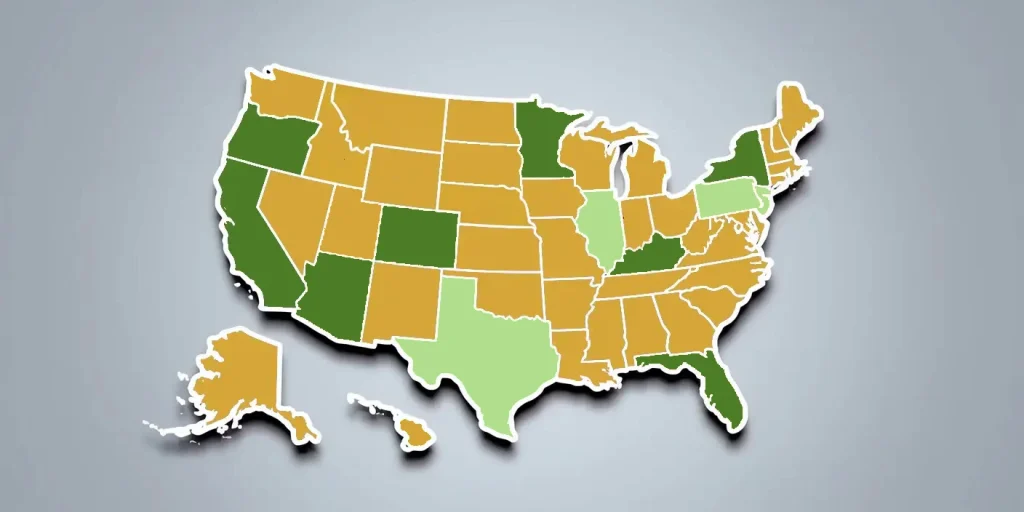
Each state offers unique programs, and the rules can vary. Here’s a breakdown of state financial assistance for caregiving spouses:
| State | Program Name | Eligibility | Maximum Rough Compensation |
|---|---|---|---|
| California | In-Home Supportive Services (IHSS) | Must require help with ADLs; qualify for Medi-Cal | Up to $15 per hour |
| New York | Consumer Directed Personal Assistance Program (CDPAP) | Must be on Medicaid; need daily assistance | $13-$20 per hour, varies by county |
| Oregon | Spousal Pay Program | Medicaid recipient; needs help with daily activities | State-determined, varies |
| Arizona | Self Directed Attendant Care (SDAC) | Must require help with ADLs; qualify for Arizona Long Term Care System (ALTCS) | $10–$22 per hour |
| Minnesota | Consumer Support Grant (CSG) | Medicaid recipient; needs help with daily activities | A cash grant is provided |
| Kentucky | Participant Directed Services (PDS) | Must qualify for one of Kentucky’s HCBS waiver programs and require nursing home level of care | $10–$22 per hour |
| Florida | Statewide Medicaid Managed Care Long-Term Care (SMMC-LTC) | Must be enrolled in Florida Medicaid’s SMMC-LTC program | $10–$16 per hour |
Tip: Programs and payment rates vary by state, so check with your state’s Medicaid office for exact amounts.
More State-Specific Examples
Here are additional examples of programs that pay spouses for caregiving:
- Texas – Community First Choice (CFC): Offers Medicaid recipients the option to hire family members, including spouses, for personal assistance services like grooming and meal preparation.
- Illinois – Community Care Program (CCP): Allows spouses to be hired through state agencies, offering payments based on the level of care needed.
- Pennsylvania: (some waiver pathways).
- New Jersey and Rhode Island — referenced as having methods to pay spouses.
For detailed information on each state’s programs, visit your state’s Medicaid website or contact your local Area Agency on Aging.
In some states, family caregiver pay exists but spouses specifically are excluded as paid workers under Medicaid rules, even if other family members can be paid. (At least as of 2025 reporting, rules change frequently.)
Examples where spouses are not typically allowed to be hired under certain waiver/structured programs include:
- Alaska
- Arkansas
- Connecticut
- Georgia
- Idaho
Compensation and Application Process
How Much Can Spouse Caregivers Get Paid?
Payments to spousal caregivers depend on the state and the type of care your partner needs. Most programs offer compensation between $10 to $22 per hour, but this can vary.
The amount you receive is based on your state’s Medicaid Waivers for spousal caregivers or other payment options for spousal caregivers.
Steps to Apply for Financial Assistance for Family Caregivers
- Check Your Eligibility: Make sure your partner qualifies for Medicaid and requires help with daily activities.
- Contact Your State Medicaid Office: Ask them about any Home and Community-Based Services (HCBS) or other family caregiver payment programs. You may need to provide proof of your partner’s needs and your caregiving role.
- Complete Required Forms: States usually need an application and sometimes an assessment to determine the level of care your partner needs.
- Set Up a Personal Care Agreement: This agreement defines your role and payment as a caregiver. It can also help avoid confusion about taxes and Medicaid eligibility later.
Veterans’ Benefits for Spouse Caregivers
If your spouse is a veteran, there are additional support programs for spouses providing care. These include:
Aid & Attendance Benefit – This program provides additional monthly compensation to veterans and their spouses who need help with daily activities. The amount depends on the veteran’s service history and medical needs.
- Eligibility: Veterans or their spouses must need help with basic tasks like bathing or dressing and meet income limits. You’ll need to fill out an Aid & Attendance application through the VA.
VA’s Family Caregiver Support Program – If your spouse was injured while serving, you may qualify for this program. It provides monthly compensation, access to health insurance, training, and respite care.
- Eligibility: Your spouse must have a service-related injury that requires ongoing care. You’ll also need to complete training and have a care plan in place.
Practical Tips on Setting Up Care Agreements
When getting paid as a caregiver, it’s smart to put things in writing.
A personal care services agreement is a contract between you and your spouse that outlines your caregiving duties, payment rate, and other details.
Here are some practical tips:
- Consult with an Elder Law Attorney: This can help you set up the agreement correctly and avoid any legal issues. It’s especially important if your spouse is on Medicaid or applying for benefits.
- Include Key Details: List out your duties, the hours you’ll work, and the payment amount. Make sure to follow the state’s guidelines for caregiver payments to ensure Medicaid compliance.
- Keep Detailed Records: Maintain records of the hours you work and any expenses related to caregiving. This helps avoid any misunderstandings about payments or tax issues later on.
Additional Resources and Practical Advice
Creating a Personal Care Agreement
When getting paid as a caregiver, it’s smart to put things in writing. A personal care agreement is a contract between you and your spouse that outlines your caregiving duties, payment rate, and other details.
It’s helpful to consult an elder law attorney to make sure the agreement complies with Medicaid rules.
Managing Taxes and Record-Keeping
Remember, the payments you receive are considered taxable income. Keep records of the hours you work and the tasks you perform.
This will be important if your spouse applies for other benefits later.
Self-Care for Spouse Caregivers
Taking care of your spouse can be tough. You’re doing a big job, so it’s crucial to take care of yourself, too.
Join a support group, talk to friends or family, and take time for yourself when you can. Remember, self-care helps you be a better caregiver.
Changes and Trends in 2026
In 2026, many states are looking to expand their Medicaid Self-Directed Services programs to include more family caregivers.
With the increasing push for aging in place, states are seeing the value of letting family members provide care at home. Programs like Community First Choice (CFC) and HCBS are expected to see funding increases and broader eligibility criteria.
Final Thoughts
If you’re caring for your spouse, there are ways you can get paid for your work in many states. The key is to check with your state’s Medicaid office, know the eligibility requirements, and follow the right steps to apply.
It can be a complicated process, but you’re not alone. Use this guide to explore your options, and remember—your hard work as a caregiver matters.
FAQs
This updated guide now incorporates a wider range of support programs for spouses providing care and offers practical steps to help spouses navigate their caregiving journey.