Taking a loved one with dementia out of their familiar environment can feel overwhelming, both for you and for them. Changes in routine, noise, or surroundings may trigger confusion, anxiety, or even agitation.
Still, with the right preparation, outings can be not only possible but also enjoyable and meaningful for both of you. The key is planning ahead, keeping comfort in mind, and focusing on small, positive experiences.
Quick Rundown: What to Know Before Taking a Dementia Patient Out of Their Familiar Environment
- Understand the Impact of Change: Even small disruptions in routine or surroundings can cause confusion, anxiety, or agitation for someone with dementia.
- Plan Ahead Carefully: Bring comfort items, snacks, and familiar music or photos to ease transitions during outings or travel.
- Choose Calm, Predictable Settings: Avoid crowded or noisy places that can overwhelm or overstimulate the person you’re caring for.
- Maintain Routine Cues: Stick to familiar meal times, rest breaks, and daily rhythms to create a sense of safety and stability.
- Watch for Signs of Distress: If they become disoriented or upset, calmly reassure them and return to a quiet, familiar space when possible.
- Reintroduce Home Slowly: After an outing, give extra time for rest and gentle reminders to help them reorient and feel secure again.
Now, let’s explore the challenges and practical strategies for taking dementia patients out of their environment while keeping safety and dignity at the center of your approach.
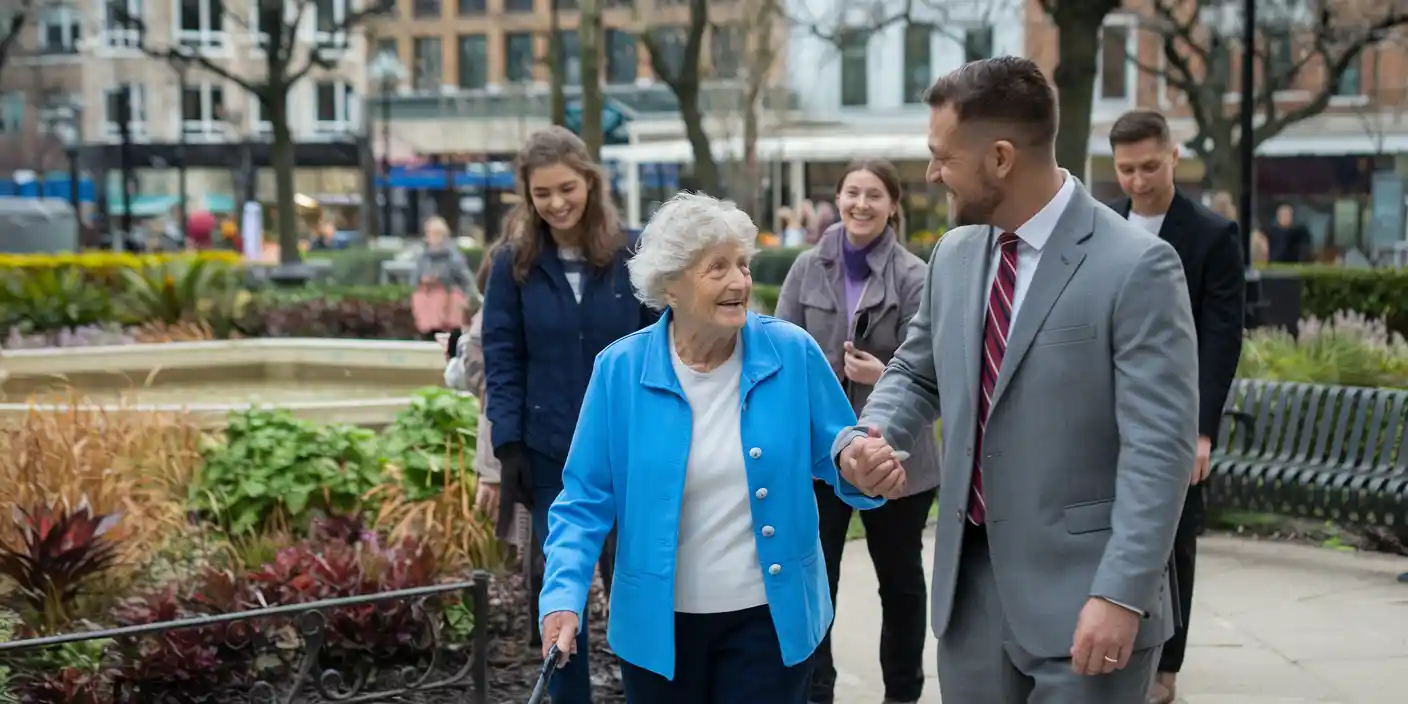
Why Routine and Familiarity Matter
People with dementia rely on routines because familiar surroundings help reduce confusion, anxiety, and behavioral disturbances.
Comfort zones provide a crucial sense of security, allowing dementia patients to recognize their surroundings and maintain a sense of control.
When the environment remains consistent, it becomes easier for them to navigate daily life, and they experience fewer cognitive challenges and emotional distress.
The Role of Routine in Dementia Care
Routine offers predictability, which is particularly important for dementia patients who may struggle with memory, reasoning, or recognition.
The repetitive nature of daily tasks, comforting objects, and established locations in their home helps dementia patients:
- Minimize confusion: Knowing what to expect lowers stress levels and prevents them from feeling overwhelmed by sudden changes.
- Enhance safety: Familiar surroundings reduce the risk of accidents, like tripping or wandering off, because dementia patients are accustomed to their home setup.
- Promote independence: A well-established routine allows dementia patients to perform tasks with minimal assistance, such as finding the bathroom or dressing themselves.
Impact of Environmental Changes
Despite the benefits of routine, significant changes – such as relocating dementia patients or introducing unfamiliar settings during outings – can lead to disorientation risk.
This happens because:
- Cognitive confusion: Dementia patients may not immediately recognize new surroundings, which can trigger confusion and result in stress or agitation.
- Disruption of familiar cues: Removing familiar objects or rearranging furniture disrupts the visual and tactile cues they rely on to navigate their world.
- Increased anxiety and behavioral issues: Changes in environment can increase anxiety and even trigger behavioral changes, such as wandering, agitation, or aggression.
Finding Balance: Routine with New Experiences
While routine is essential, remaining in the same environment for too long without any external stimulation can lead to isolation and cognitive decline.
The key is finding a balance between maintaining a consistent routine and carefully introducing controlled new experiences.
This balance helps:
- Stimulate cognitive function: Outdoor stimulation and new activities engage different parts of the brain, which can slow cognitive decline.
- Improve social and emotional well-being: Taking patients out for supervised outings can reduce feelings of isolation and offer them the joy of interacting with others.
- Encourage physical health: Gentle outings can promote physical activity, such as walking, which benefits cardiovascular health and muscle tone.
Visualizing Routine vs. Change
Here’s a simple chart to illustrate the balance between maintaining routine and offering new experiences to dementia patients:
| Aspect | Routine | New Experiences |
|---|---|---|
| Cognitive Impact | Reduces confusion and anxiety | Stimulates cognitive engagement |
| Emotional Well-being | Provides security and reduces behavioral issues | Reduces isolation, improves mood through social interaction |
| Safety | Familiar objects prevent accidents | New places can be challenging without proper planning |
| Physical Health | Routine activities maintain stability | Physical activity (like walking) promotes fitness |
| Long-term Effects | Helps maintain independence | Risk of isolation if routine becomes too rigid |
How to Introduce New Experiences Safely
To minimize confusion when taking dementia patients out or exposing them to unfamiliar settings:
- Pre-trip preparation: Let the person know about the outing ahead of time in a calm, reassuring way, possibly showing them pictures or videos of the location.
- Bring along comforting objects: Familiar items (e.g., blankets, pillows, or even familiar music) can make new places feel more comfortable.
- Plan for gradual exposure: Use a step-by-step approach, starting with short outings to nearby, quiet places like parks or cafés before attempting longer trips.
- Have a safe environment adjustment: Returning to a familiar activity or quiet rest after an outing helps patients regain their sense of routine.
By carefully balancing routine with new, safe experiences, caregivers can provide dementia patients with the stimulation they need to stay engaged while ensuring their sense of security and well-being.
Things to Consider Before Taking Your Loved One Out
Planning an outing for someone with dementia requires thoughtful preparation to ensure it goes smoothly and minimizes any stress or anxiety for your loved one.
Here are some important factors to keep in mind before you head out:
1. Assess Their Current Condition
Before you plan an outing, take a moment to assess how your loved one is feeling that day. Dementia can cause mood swings, so it’s crucial to gauge their emotional and physical state. Ask yourself:
- Are they calm or anxious? If your loved one is showing signs of anxiety, confusion, or restlessness, it might not be the best day for an outing. Agitation can make it more challenging to introduce unfamiliar settings.
- Have there been any recent behavioral changes? Sudden changes in behavior—such as increased forgetfulness, agitation, or signs of depression – could indicate that your loved one is experiencing heightened stress. In these cases, it might be best to postpone the outing.
- Physical condition: Are they tired or physically weak today? Fatigue can make an outing more difficult. Ensure they are well-rested and hydrated before leaving.
- Consult a doctor if needed: If you’re unsure whether the outing will be beneficial or stressful, consult their doctor. Healthcare professionals can provide guidance on how much stimulation is appropriate for your loved one based on their current condition.
By paying attention to how your loved one feels both physically and emotionally, you can make better decisions about whether an outing will be enjoyable or potentially stressful.
2. Familiarize Them with the New Environment
For a dementia patient, transitioning into unfamiliar settings can be disorienting. However, there are ways to ease this transition:
- Introduce the location ahead of time: Pre-trip preparation like showing them pictures or videos of the destination helps reduce disorientation risk.
- For example, if you are planning to take them to a café, show them pictures of the café’s interior, the people who work there, or the outside view of the café to make it familiar.
- If the location is a park, introduce images of the pathways, benches, or fountains they will see. Walking them through these visuals can help reduce confusion on the day of the outing.
- Use storytelling: You can also talk about past outings to similar places to help remind them of positive experiences. For example, “We had a nice time sitting by the fountain. This time, we’ll go to another park with a similar area”.
- Bring comforting objects: Objects from home – like a favorite blanket – can help ground them in the new environment. These comfort items serve as “anchors” that link their current experience to something they know well. You could even bring along something sensory, such as a lavender-scented cloth, if your loved one responds positively to certain scents.
- Recreate elements of routine: Incorporate aspects of their daily routine into the outing to help maintain a sense of normalcy.
3. Plan for Sensory and Emotional Comfort
It’s essential to prepare for how the outing could affect your loved one’s senses and emotions:
- Manage sensory overload: New environments can be overwhelming due to unfamiliar sounds, sights, and smells. Plan outings to quieter places like parks, gardens, or cafés that are not too crowded or noisy. Loud, busy places like shopping malls might trigger agitation or confusion.
- Prepare for emotional triggers: Be aware of potential triggers that could cause emotional distress, such as crowded spaces or sudden loud noises. Having a backup plan, such as a quiet spot to retreat to, can help mitigate these situations.
- Adjust to their needs throughout the day: Be flexible with your plans. If your loved one becomes distressed, cut the outing short and return to the safety of home or a familiar environment. It’s better to have a shorter, more successful outing than to push through a stressful one.
Checklist Before an Outing
Below is a simple checklist you can follow to help you plan the best outing for your loved one with dementia:
| Checklist for Outing Preparation | Yes/No |
|---|---|
| 1. Assessed their emotional and physical condition? | |
| 2. Consulted their doctor if needed? | |
| 3. Showed photos or videos of the location to familiarize them? | |
| 4. Packed familiar items for comfort? | |
| 5. Selected a quiet, low-stress destination? | |
| 6. Prepared for potential emotional triggers? | |
| 7. Scheduled breaks to match their usual routine? | |
| 8. Have a backup plan in case the outing becomes stressful? |
Taking the time to plan properly and prepare for all aspects of the outing ensures a smoother experience for both you and your loved one.
By paying attention to their emotional, physical, and sensory needs, you can help them enjoy the outing with less stress and more comfort.
Post-Outing Tips: Helping Them Transition Back to Routine
Once an outing is over, it’s essential to help your loved one transition back into their comfort zone. Dementia patients thrive on consistency, and returning to their familiar surroundings can help reduce stress and confusion.
The transition process is as important as the outing itself because it can help reinforce feelings of safety and security while allowing time for rest and reflection.
1. Stick to a Familiar Routine
After an outing, returning to familiar surroundings can help ground your loved one and reestablish their sense of comfort.
- Resume daily routines: Engage them in regular post-outing activities like having a favorite snack, watching a familiar TV show, or listening to calming music. These consistent activities remind them that despite being out of their environment, they are back in a safe and predictable space.
- Example: If they typically have tea and read a magazine in the afternoon, make sure to follow that pattern as soon as you return home. This continuity provides reassurance that the routine is intact, even after an external disruption.
- The key is to keep things as familiar as possible, so they don’t feel overwhelmed by the combination of the outing and changes to their usual schedule.
2. Create a Quiet, Restful Space
Outings, while beneficial, can be physically and mentally exhausting for dementia patients.
Allowing time for rest is critical to help them recover and reduce any lingering confusion:
- Encourage relaxation: After an outing, guide your loved one to a quiet area in the home where they can rest. This might be a favorite chair or a bedroom where they feel most at ease.
- Minimize stimulation: Lower the noise level and dim the lights to create a calming atmosphere. Removing unnecessary distractions helps them settle back into the familiarity of their home without feeling overwhelmed.
- Soothing activities: Engage in low-stress activities like gentle music, reading, or even some light conversation. Avoid stimulating activities or too many questions about the outing as this might further confuse or tire them.
By providing a tranquil environment, you help their brain “reset” and adjust after the new experiences of the day.
3. Reflect on the Experience
Each outing provides valuable insight into what works best for your loved one and what might need to be adjusted in the future.
Take some time to reflect on how the outing went:
- What went well? Identify parts of the outing that your loved one enjoyed or responded positively to. Was it a walk in the park? A quiet café? Were there certain sensory experiences they seemed to like, such as listening to birds or feeling the breeze?
- Keep a record: Consider keeping a journal where you note successful aspects of outings – this can help with future planning. For example, if you notice they are calmer in quieter environments, you can prioritize those types of destinations next time.
- What could be improved? Were there moments during the outing when they seemed agitated, confused, or anxious? Reflecting on these moments helps you understand potential triggers and how to avoid or minimize them in the future. For instance:
- Did crowds overwhelm them?
- Did they become restless after a certain amount of time?
- Were they overstimulated by too many new sights or sounds?
Using these reflections, you can modify future outings to make them smoother and more enjoyable for both you and your loved one.
4. Reinforce Positive Memories
Though memory can be fleeting for dementia patients, memory-triggering locations or positive experiences can help strengthen their association with future outings.
- Talk about the good moments: Gently remind them of the things they enjoyed during the outing. Avoid framing the conversation as a test of their memory; instead, talk about your own observations. For example, “It was nice sitting in the park, wasn’t it? The flowers were beautiful.“
- This kind of reinforcement can make them feel more comfortable with future outings by building a positive association with the experience.
By focusing on safe transitions and balancing routine with new experiences, caregivers can create enriching, secure outings for dementia patients.
Conclusion
Taking a loved one with dementia out of their environment can be a positive experience if you approach it with care and preparation.
Managing disorientation and confusion in dementia patients is crucial, but new experiences – handled thoughtfully – can bring great mental, emotional, and physical benefits. Focus on familiarity, safety, and flexibility to create outings that enrich your loved one’s life while keeping them safe.
By planning ahead, being flexible, and understanding their needs, you can help your loved one enjoy new environments while keeping them secure and content.