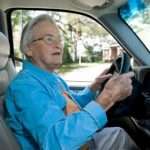
When it comes to ensuring the safety of our senior loved ones and others on the road, knowing how to legally stop an unsafe older adult from driving can be crucial.
This safety guide provides compassionate, practical advice for caregivers and family members facing this challenging situation.
Recognizing The Signs
Before taking any legal steps, it’s essential to recognize the signs that an older adult may no longer be safe behind the wheel.
Here are some indicators:
- Multiple Vehicle Crashes or Near Misses: Frequent accidents or close calls can be a red flag.
- Traffic Tickets or Warnings: An increase in traffic violations can indicate declining driving skills.
- Health Issues: Problems with vision, hearing, or movement can significantly impact driving ability.
- Anxiety About Driving: Reluctance to drive at night or in certain conditions may signal a problem.
Legal Steps To Stop An Unsafe Driver
If you’ve observed these signs and are concerned about a loved one’s driving, there are several legal steps you can take:
Medical Evaluations And Reports
- Consult A Physician: Have a doctor evaluate the senior’s cognitive abilities.
- Get A Driving Assessment: Driving programs and Occupational Therapists certified in driving assessments are the best ones to assess the person’s abilities.
- Second Opinion: It’s often beneficial to get a second opinion from another doctor to strengthen your case.
- Submit Reports To The DMV: Send the medical evaluations to your state’s Department of Motor Vehicles (DMV). The DMV may require the senior to take a driving test or undergo further evaluations.
Filing An Unsafe Driver Report
- Gather Evidence: Document specific incidents and behaviors that demonstrate unsafe driving.
- Submit A Report: You, a physician, or a police officer can file an “unsafe driver” report with the DMV. Be prepared to provide detailed information about the senior’s medical condition and driving incidents.
Power Of Attorney
- Medical Power Of Attorney: If privacy laws prevent access to necessary medical information, consider obtaining a medical power of attorney. This legal document allows you to make medical decisions on behalf of the senior, including sharing health information with the DMV.
Confiscating Keys Or Disabling The Car
In severe cases where cognitive issues prevent the senior from understanding the dangers, some caregivers resort to more direct actions:
- Confiscate The Keys: Take away the car keys to prevent the senior from driving.
- Disable The Vehicle: Consider disabling the car or selling it to remove the temptation entirely.
Having The Conversation
Talking to a loved one about giving up driving can be difficult. Here are some tips for having a compassionate and effective conversation:
Prepare And Plan
- Choose The Right Time: Find a calm and private setting for the discussion.
- Gather Information: Have specific examples and medical reports ready to support your concerns.
Be Compassionate And Understanding
- Express Concern: Focus on safety and well-being rather than criticizing their driving skills.
- Offer Alternatives: Discuss the transportation options available to maintain their independence.
Involve Professionals
- Seek Support: Involve doctors, driving specialists, or counselors to provide professional advice and support during the conversation.
Alternatives To Driving
Ensuring that your loved one maintains their independence and quality of life is essential. Here are some alternatives to driving:
Family And Friends
- Family Rides: Arrange for family members or friends to provide transportation. This can be a great way to spend quality time together.
Public And Private Transportation
- Rideshare Services: Services like GoGoGrandparent offer safe and reliable rides tailored to seniors’ needs.
- Public Transit: Many cities offer senior-friendly public transportation options, including buses and trains equipped for accessibility.
Community Programs
- Volunteer Programs: Many communities have volunteer driver programs that provide transportation for seniors to medical appointments, grocery stores, and social activities.
For many people, not driving is a big change, but it does not have to cost your independence. You may need help from friends and family for some of your transportation needs, but there may also be driving alternatives for seniors in your community.
| Alternative | Description | Benefits |
|---|---|---|
| Family Rides | Family members provide transportation | Personal and reliable |
| Rideshare Services | Services like GoGoGrandparent, Uber and Lyft | Safe, flexible, and senior-friendly |
| Public Transit | Buses and trains with senior accommodations | Affordable and accessible |
| Volunteer Programs | Community volunteer drivers | Supportive and community-oriented |
| 211 Program | Some local 211 programs provide transportation services | Allows seniors the chance to avoid driving altogether |
By following these steps and utilizing the available resources, you can help ensure the safety of your loved one and others on the road while maintaining their dignity and independence.