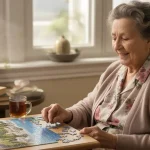
Creating memory collages for seniors is a powerful way to spark joy, stimulate memory, and strengthen connections. These simple, hands-on projects encourage reminiscence therapy, reduce stress, and allow older adults to share meaningful stories in a visual and engaging way.
Whether your loved one has dementia or just enjoys reflecting on their past, memory collages can be deeply healing.
Quick Rundown: Memory Collages for Seniors, Simple Projects That Spark Reminiscence and Joy
- Preserves Memories: Photos, postcards, and keepsakes come together to tell personal stories visually.
- Boosts Cognitive Health: Sorting, arranging, and recalling events stimulate memory and mental engagement.
- Encourages Creativity: Collages can be decorated with stickers, ribbons, or natural elements for unique expression.
- Adaptable for Abilities: Pre-cut shapes, glue sticks, and larger materials make projects easier for seniors with dexterity issues.
- Fosters Social Connection: Creating collages with family or caregivers opens conversations and strengthens bonds.
- Promotes Emotional Well-Being: Looking back on positive life moments provides comfort, joy, and a sense of accomplishment.
I know how overwhelming it can feel when you want to connect with your parent or loved one, but words don’t always come easily anymore.
When I worked as an occupational therapist, I saw how something as simple as arranging photos and keepsakes could open doors to memories and emotions in a way nothing else could.
In this guide, I’ll show you how to create memory collages step by step, covering themes, supplies, setup, and creative tips, so you can make the process safe, meaningful, and truly enjoyable for your loved one. Let’s begin with why memory collages help seniors thrive.

🧠 Why Memory Collages Help Seniors Thrive
Many older adults face memory loss, loneliness, and anxiety. Memory collages do much more than fill time. They provide:
- Cognitive stimulation for memory recall and brain health
- Emotional expression through visual storytelling
- Reminiscence therapy to revisit happy memories
- Stress reduction by creating a calm, mindful experience
- Social interaction with family, caregivers, or groups
- Nonverbal communication especially helpful for those with dementia
Research shows that creative activities like therapeutic art and collage meditation activate brain areas involved in memory, planning, and emotional regulation. This supports both mental health and emotional well-being. 🧩
❓ Why are memory collages good for dementia patients?
💬 Memory collages help dementia patients by stimulating their long-term memory, encouraging emotional expression, and providing gentle sensory input. They can calm anxiety, spark familiar stories, and create positive engagement even when verbal communication is limited.
👥 Who Can Benefit from Memory Collages?
Memory collages are flexible and adaptable. I have used them with:
- Seniors with Alzheimer’s or dementia 🧓
- Older adults in memory care communities
- Seniors recovering from strokes or injury
- Family members seeking meaningful activities
- Individuals with limited mobility or fine motor challenges
Even seniors without cognitive decline enjoy reflecting on their life stories, which reinforces their identity and brings comfort.
🛠 Gathering Supplies for a Successful Project
When selecting materials, focus on safety, simplicity, and accessibility. Here’s what works well:
- Large poster board or cardstock (11×17 inches or bigger)
- Printed photos for reminiscence therapy (use copies to protect originals)
- Glue sticks or double-sided tape (easier for weak hands)
- Rounded safety scissors ✂️
- Large markers for captions
- Stickers, foam shapes, and ribbons
- Tactile materials like fabric swatches, soft yarn, textured paper
- Nature elements like dried flowers, leaves, seashells 🌸
- Lightly scented materials (lavender sachets, vanilla fabric) for tactile memory stimulation
🔎 Tip: For seniors with fine motor skill challenges, pre-cut materials and larger items are easier to handle. Also, take a look at Scrapbooking supplies – there’s a lot there that you can use too.
👉 You can also explore more easy crafts for seniors with limited dexterity to find other simple, safe, and enjoyable projects your loved one may enjoy.
❓ What materials work best for senior memory collages?
💬 Use safe, easy-to-handle materials like large printed photos, glue sticks, fabric swatches, nature items like dried flowers, foam stickers, and lightly scented fabrics. These engage multiple senses while keeping the activity simple and enjoyable.
🌿 Preparing a Safe and Relaxing Environment
A calm setting helps seniors stay engaged and enjoy the experience. I always set up:
- A well-lit table with plenty of space
- Comfortable chair with back support
- Quiet background, minimizing distractions
- Soft, familiar music 🎶 to spark memory triggers
Safety Reminder: All supplies should be non-toxic and safe for seniors with vision or mobility limitations.
📝 Step-by-Step Guide to Creating a Memory Collage
Step 1: Pick a Theme 🎯
Choose a meaningful theme, such as:
- Family and grandchildren 👨👩👧👦
- Weddings or anniversaries 💍
- Vacations and travel ✈️
- Pets or hobbies 🐶
- Military service or career highlights 🎖️
- Favorite seasons or holidays 🎄
When I worked with Mr. Thompson, a retired commercial pilot, we focused on his flight career. Seeing photos of his planes and crew brought back his brightest smiles!
❓ How do I choose the right theme for a senior’s collage?
💬 Pick a theme based on what brings them joy or sparks strong memories, such as family, hobbies, travels, or special milestones. Ask them what they would enjoy looking at every day.
Step 2: Gather Items 🧺
Involve your loved one in choosing:
- Photos (4×6 size for easy handling)
- Postcards, tickets, or certificates
- Magazine cut-outs of hobbies or favorite places
- Soft fabrics or familiar textures 🧶
- Heritage artifacts like recipe cards or holiday ornaments
- Nature elements like pressed leaves or flowers 🌻
- Lightly scented materials to engage multiple senses
Step 3: Plan the Layout 📐
Lay out all items before gluing:
- Place large items at the edges
- Group related items together
- Leave space for labels or emotion mapping captions
Step 4: Attach the Materials 🔗
- Use glue sticks or double-sided tape
- Avoid liquid glue to prevent spills
- Secure heavier items with stronger adhesive
Step 5: Personalize with Finishing Touches 🎨
Add:
- Handwritten notes ✍️
- Stickers or decorative borders
- Captions identifying people, dates, and places
- Small keepsakes like buttons or ribbons
When I helped Mrs. Garcia make her wedding collage, we surrounded her photos with rose stickers. Roses were her favorite flower, and seeing them always brought a lightness to her expression (and mine too)!🌹
🧘 Mindfulness and Stress Relief
Memory collages can double as mindfulness activities. The simple, repetitive tasks of arranging and gluing can bring:
- Relaxation and calm
- Reduced anxiety
- Focus on the present moment
- A gentle rhythm that soothes both caregiver and senior
Encourage your loved one to pause and feel each texture, enjoy the colors, and breathe deeply while working. 🌬️
💬 Encouraging Storytelling and Conversation
Memory collages offer rich opportunities for reminiscence therapy. As you work, gently prompt conversation:
- “Who is in this photo?”
- “What made that vacation special?”
- “Tell me about your wedding day.”
These open-ended questions create emotional connection, stimulate cognitive function, and bring smiles to both of you. 🧡
🤝 Collaborative Collage Variations
Paired Collage Activity 👯
- Each person creates their own small collage
- Combine both pieces to form a larger, shared story
- Switch roles during the process for active participation
Group Memory Collage 🧑🤝🧑
- Multiple seniors contribute to one large display
- Great for community art programs or family gatherings
- Creates opportunities for social interaction and shared storytelling
I once led a holiday-themed group project where each senior contributed a panel. The full display became the centerpiece of the community room, sparking happy conversations every time someone passed by. 🎉
❓ Can memory collages be done in group settings?
💬 Yes, group or community collage activities can be very engaging. Each person contributes personal items, creating a shared memory wall that sparks stories and builds connection among participants.
📍 Displaying and Enjoying the Finished Collage
After completion, proudly display the collage:
- Bedroom walls
- Living room shelves
- Assisted living doors 🚪
- Memory care facility display boards
- Scrapbook-style albums for personal keepsakes 📔
The collage becomes a daily reminder of cherished moments and opens the door to new conversations.
⚠️ Special Considerations for Seniors with Dementia or Limited Mobility
- Pre-select items to avoid overwhelming choices
- Limit sessions to 30–45 minutes to prevent fatigue
- Use large, easy-to-handle pieces
- Add multi-sensory elements for extra engagement
I worked with a woman who could no longer speak due to a stroke. I have to tell you that she would light up when touching the soft velvet we added to her collage. Her family recognized it as the fabric from her church dress!
I just love that story and will always remember her.🩷
🚫 Common Mistakes to Avoid
- Overloading the collage with too many items
- Pushing for specific memories or correcting forgotten details
- Using unsafe or hard-to-handle supplies
- Ignoring signs of fatigue or frustration
Remember, progress matters more than perfection. 💞
💖 Encouragement for Caregivers
Creating memory collages is more than a craft. It’s a chance to give love, time, and attention. Even a small collage can bring:
- Comfort
- Confidence
- Connection
- Cognitive support
- Emotional well-being
You don’t need special skills. All you need is a little time, simple materials, and a caring heart. 💗
Research supports that creative expression through memory collages improves cognition, relieves stress, and strengthens emotional bonds. This simple activity can make a big difference in your loved one’s daily life.