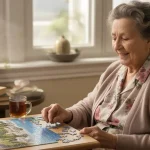
From my experience in working with older adults with dementia, I can tell you that there is a power in using crafts to help improve socialization and engagement.
These creative activities offer a unique blend of cognitive stimulation, sensory engagement, and emotional expression that can be incredibly beneficial for those living with memory loss.
The Power Of Crafting For Dementia Patients
Crafting isn’t just a way to pass the time; it’s a powerful tool for enhancing mental health, improving fine motor skills, and fostering social connections.
When we engage seniors in creative activities, we’re tapping into parts of the brain that might otherwise go unused, potentially slowing cognitive decline and boosting overall well-being.
Benefits Of Arts And Crafts For Seniors With Dementia
| Benefit | Description |
|---|---|
| Cognitive Stimulation | Challenges different areas of the brain, enhancing memory and problem-solving skills |
| Emotional Expression | Provides a non-verbal outlet for feelings and thoughts |
| Sensory Engagement | Stimulates senses through colors, textures, and materials |
| Social Interaction | Creates opportunities for bonding and shared experiences |
| Stress Reduction | Lowers cortisol levels, promoting relaxation and calmness |
Simple Yet Effective Craft Ideas
Let’s explore some craft ideas that are not only enjoyable but also tailored to the abilities of seniors with dementia.
1. Painted Bead Necklaces
This craft combines creativity with fine motor skill practice. Using large wooden beads and non-toxic paint, seniors can create colorful, wearable art. The tactile nature of the beads and the repetitive painting motion can be soothing and satisfying.
2. Memory Boxes
Creating a memory box is a wonderful way to connect with the past. Gather a small box and fill it with photos, trinkets, and mementos. As you work together, encourage storytelling about the items, stimulating memory recall and emotional connection.
3. Sun-Splashed Collages
Celebrate the warmth of summer with a bright, cheerful collage. Use magazine cutouts, tissue paper, and even real pressed flowers to create a sunny scene. This activity allows for creative expression without the need for precise motor skills.
4. Painted Rocks
Transforming ordinary rocks into colorful art pieces can be incredibly rewarding. Use smooth, flat rocks and non-toxic acrylic paints. The varied textures and shapes of the rocks provide sensory stimulation, while the painting process encourages focus and creativity.
5. Simple Collage Making
Cut out pictures from magazines that represent various themes (like nature, food, animals). Seniors can glue these pictures onto construction paper to create themed collages. This activity can be relaxing and allows for creative expression without needing precise fine motor skills.
6. Clay Sculpting
Provide soft clay that can be easily manipulated. Seniors can create simple shapes like balls, snakes, or press cookie cutters into the clay to make different forms. This tactile activity is engaging and allows for sensory stimulation.
Implementing Craft Activities Effectively
When introducing crafts to seniors with dementia, it’s crucial to approach the activity with patience and flexibility.
Here are some tips to ensure a positive experience:
Keep It Simple
Break down activities into small, manageable steps. Avoid crafts with complex instructions or too many components.
Focus On The Process, Not The Product
The joy is in the doing, not in creating a perfect end result. Encourage exploration and self-expression rather than aiming for a specific outcome.
Adapt To Individual Abilities
Be prepared to modify activities based on the senior’s cognitive and physical abilities. What works for one person may need adjustments for another.
Create A Calm Environment
Set up a quiet, well-lit space for crafting. Minimize distractions to help maintain focus and reduce anxiety.
Seasonal Craft Ideas
Incorporating seasonal themes into craft activities can help orient seniors to the time of year and evoke pleasant memories associated with different seasons.
Summer-Themed Crafts
- Paper Flower Bouquets
- Seashell Picture Frames
- Fruit-Shaped Coasters
Fall-Inspired Projects
- Leaf Rubbings
- Pumpkin Painting
- Autumn Wreath Making
The Role Of Sensory Stimulation
Crafts that engage multiple senses can be particularly beneficial for seniors with dementia.
Consider incorporating elements that stimulate touch, sight, smell, and even sound into your craft projects.
| Sense | Craft Element |
|---|---|
| Touch | Textured fabrics, clay, or sand art |
| Sight | Bright colors, contrasting patterns |
| Smell | Scented markers, essential oils in playdough |
| Sound | Adding bells to a wreath, wind chimes |
By engaging multiple senses, we can create a more immersive and memorable crafting experience.
Crafting As A Social Activity
One of the most valuable aspects of crafting for seniors with dementia is the opportunity for social interaction.
Group crafting sessions can foster a sense of community and shared purpose.
Tips For Group Crafting Sessions
- Keep groups small to avoid overwhelming participants
- Encourage conversation and sharing of stories related to the craft
- Celebrate each person’s unique creation
- Allow for breaks and socialization between crafting steps
Adapting Crafts For Different Stages Of Dementia
As dementia progresses, it’s important to adapt crafting activities to match the individual’s current abilities.
Early-stage dementia patients might enjoy more complex projects, while those in later stages may find simple, repetitive tasks more engaging and manageable.
Early-Stage Dementia Crafts
- Scrapbooking
- Knitting or Crocheting
- Watercolor Painting
Mid-Stage Dementia Crafts
- Coloring Books
- Simple Puzzles
- Stringing Large Beads
Late-Stage Dementia Crafts
- Sorting Colorful Objects
- Folding Soft Fabrics
- Finger Painting
By tailoring activities to each individual’s abilities and interests, we can ensure that crafting remains a joyful and beneficial experience throughout their journey with dementia.