Caring for someone you love can be deeply rewarding, but it can also take a serious toll on your own health. You may notice constant fatigue, headaches, or even tension in your shoulders that never seems to go away.
Emotionally, the weight of responsibility can stir up anxiety, irritability, or moments of hopelessness. If this sounds familiar, you’re not alone, these are the hidden costs of caregiver stress.
The good news is, recognizing these effects is the first step toward protecting both your health and your ability to keep caring for your loved one.
With awareness, support, and practical coping strategies, it is possible to find balance again.
Quick Rundown: The Hidden Toll of Caregiver Stress on Body and Mind
- Physical Impact: Fatigue, weakened immunity, high blood pressure, digestive issues, and muscle tension are common outcomes of prolonged stress.
- Mental Strain: Caregivers often face anxiety, depression, irritability, memory problems, and decision-making difficulties.
- Cellular Damage: Chronic stress shortens telomeres, accelerates aging, and disrupts hormones like cortisol.
- Burnout Risk: Unchecked stress can cause social isolation, resentment, and unsafe caregiving conditions.
- Protective Strategies: Boundaries, regular exercise, good nutrition, adequate sleep, and mindfulness help restore balance.
- Seek Support: Respite care, support groups, counseling, and community resources ease the burden and prevent collapse.
With this understanding, let’s look at how caregiver stress affects both body and mind, and the steps you can take to protect yourself while continuing to care for someone else.
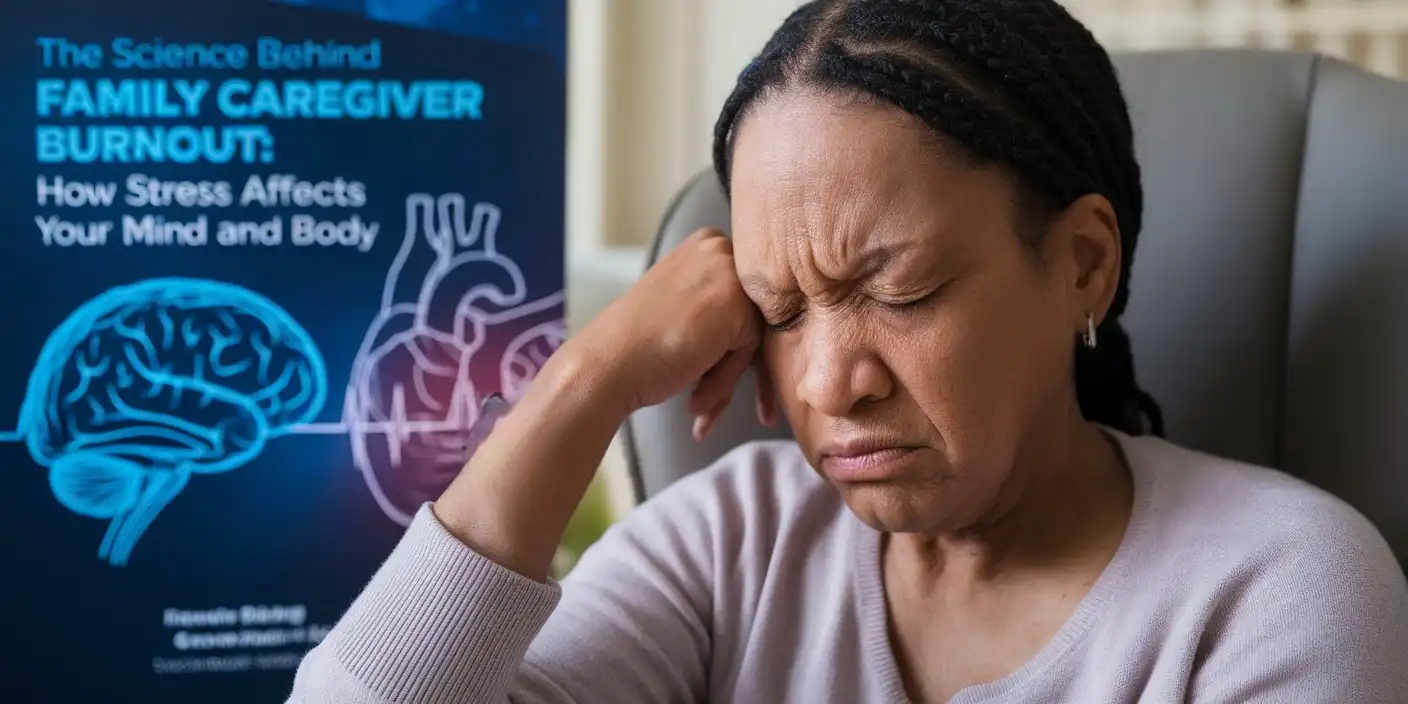
What is Caregiver Burnout?
Caregiver burnout is a state of emotional exhaustion that develops from prolonged exposure to chronic stress. Unlike temporary fatigue, burnout leads to a persistent sense of overwhelm, irritability, and social isolation.
It can also affect cognitive function, making it difficult to concentrate, make decisions, or recall important information.
Who is most at risk?
- Caregivers providing chronic illness care for loved ones.
- Those caring for individuals with Alzheimer’s disease, dementia, or other degenerative conditions.
- People balancing caregiving responsibilities with work and family.
- Individuals without a support network or access to respite care.
Stress of family caregiving for persons with dementia has been shown to impact a person’s immune system for up to three years after their caregiving ends thus increasing their chances of developing a chronic illness themselves.
Recognizing burnout symptoms early can prevent long-term health consequences.
The Science Behind Stress and Its Impact on the Mind
When a caregiver experiences chronic stress, the body continuously releases cortisol, a hormone that helps in short-term stressful situations. However, increased cortisol levels over time can negatively affect the brain.
Effects of chronic stress on the brain:
- Memory loss – High cortisol levels shrink the hippocampus, making it harder to recall information.
- Decision-making difficulties – Stress impacts the prefrontal cortex, leading to confusion and indecisiveness.
- Increased risk of depression and anxiety – Stress disrupts neurotransmitters like serotonin, contributing to mental health challenges.
- Sleep disturbances – Stress hormones interfere with sleep cycles, leading to physical fatigue and worsened emotional exhaustion.
Left unmanaged, these effects can contribute to cognitive impairments and diminish overall quality of life.
The Physical Toll of Caregiver Burnout
Beyond mental health effects, chronic stress causes a cascade of physical health problems, increasing the risk of long-term conditions.
- High blood pressure and heart disease risk – The persistent stress response strains the cardiovascular system.
- Digestive problems – Many caregivers experience stomach ulcers, acid reflux, or irritable bowel syndrome.
- Muscle tension and headaches – Physical fatigue from caregiving can lead to tight muscles and persistent headaches.
- Weakened immune system – Caregivers often suffer from frequent colds or infections due to immune system suppression.
Sustained stress can elevate inflammatory markers (e.g., C-reactive protein), increasing risks for diabetes, cancer, and autoimmune disorders. Some longitudinal studies suggest caregivers experiencing extreme stress have a 63% higher mortality rate than non-caregivers.
Neglecting self-care strategies in favor of caregiving responsibilities can lead to burnout symptoms that worsen over time.
How Chronic Stress Affects Your Cells
Recent research reveals that chronic stress accelerates cellular aging and contributes to long-term health deterioration.
- Shortened telomeres – Telomeres protect chromosomes, but prolonged chronic stress causes them to shorten, leading to premature aging.
- Increased inflammation – Persistent stress triggers inflammation, increasing the risk of heart disease, autoimmune disorders, and chronic pain.
- Hormonal imbalance – Elevated cortisol levels disrupt metabolism, insulin regulation, and immune responses.
Understanding these cellular impacts reinforces the need for self-care strategies to mitigate burnout symptoms.
Recognizing the Signs of Burnout
Early detection of burnout symptoms can help caregivers take preventive action.
Emotional Symptoms:
✔️ Persistent anxiety and depression.
✔️ Feeling disconnected from family and friends (social isolation).
✔️ Sudden resentment toward caregiving duties.
Physical Symptoms:
✔️ Sleep disturbances or insomnia.
✔️ Muscle tension, headaches, or digestive problems.
✔️ Chronic physical fatigue that doesn’t improve with rest.
Behavioral Changes:
✔️ Avoiding support groups or social interactions.
✔️ Neglecting healthy lifestyle choices, such as eating well and exercising.
✔️ Feeling overwhelmed by medical appointment coordination or medication management.
Recognizing burnout symptoms allows caregivers to make necessary changes before their health declines.
Effective Self-Care Strategies for Caregivers
If you’re experiencing burnout symptoms, incorporating stress management and self-care strategies can help restore balance.
Physical Well-Being:
✔️ Regular physical activity – Exercise reduces cortisol levels and boosts mood.
✔️ Balanced nutrition – Avoid processed foods; prioritize adequate hydration, lean proteins, and whole grains.
✔️ Prioritize sleep – Create a bedtime routine to improve sleep disturbances.
Mental and Emotional Self-Care:
✔️ Mindfulness practices – Meditation, deep breathing exercises, or yoga can calm the nervous system.
✔️ Journaling or talking it out – Expressing emotions can alleviate emotional exhaustion.
✔️ Set boundaries – Protect personal time by saying no to extra caregiving responsibilities.
Seeking External Support to Prevent Burnout
Caregivers often feel obligated to do everything alone, but seeking help is crucial.
- Join support groups – Connecting with others in similar situations provides emotional support.
- Utilize respite care – Taking breaks prevents physical fatigue and mental exhaustion.
- Consult professional counseling – Speaking with a mental health expert can help with stress management.
- Rely on community resources – Organizations like the National Alliance for Caregiving offer support programs.
Using available support systems helps caregivers maintain well-being while continuing to provide care.
Conclusion
Caregiving is demanding, but you don’t have to sacrifice your health in the process. Chronic stress can lead to physical fatigue, high blood pressure, digestive problems, and immune system suppression, but recognizing burnout symptoms early can prevent long-term health consequences.
Taking care of yourself is not selfish – it’s necessary. Start by implementing one self-care strategy today, whether that’s prioritizing sleep, deep breathing exercises, or joining a support group.
Your well-being matters just as much as your loved one’s.