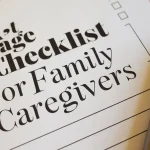
This checklist is not just a collection of tasks; it’s a roadmap to nurturing a supportive, fulfilling relationship with your aging parents, ensuring their needs are met with compassion and respect.
Whether you’re adjusting their home for safety, navigating the healthcare system, or finding ways to communicate effectively, this article aims to equip you with the knowledge and tools needed for this important phase of life.
Here’s a PDF checklist of this information that you can download and print.
Creating A Safe And Comfortable Living Environment
As our parents age, one of the most significant changes we can make to support their independence and well-being is creating a safe and comfortable living environment.
This aspect of elderly care involves more than just a few minor adjustments; it’s about transforming their living space into a haven that not only ensures their safety but also promotes their comfort and ease of living.
Home Modifications For Safety
Safety is paramount when it comes to elderly care at home.
Falls are a leading cause of injury among the elderly, making it crucial to implement modifications that can prevent accidents.
1. Hire a home safety specialist to help you assess the living environment. This professional can identify potential risks and provide tailored solutions to improve the overall safety of the home.
They can offer advice on the best types of assistive devices, such as stairlifts or walk-in tubs, and suggest changes to the layout to facilitate easier movement.
They can evaluate the need for security features like emergency response systems or improved door locks to ensure a secure living environment.
2. Start with installing grab bars in critical areas such as the bathroom, beside the toilet, and in the shower. These provide support and stability, significantly reducing the risk of falls.
3. Consider replacing traditional bathtubs with walk-in showers, which offer easier access and can be equipped with non-slip mats.
4. Wide doorways and no-step entries are also essential modifications.
They accommodate mobility aids like walkers and wheelchairs, ensuring your parents can move freely around their home without the risk of tripping or squeezing through narrow spaces.
5. Ramps can replace steps, providing a smooth transition from one level to another.
Enhancing Comfort Through Design
Beyond safety, the living environment should be a source of comfort.
1. Opt for furniture that combines style with ergonomic design, like chairs with proper back support and beds that are easy to get in and out of.
2. Arrange the furniture to create clear pathways, minimizing obstacles that could hinder movement.
3. Lighting plays a significant role in both safety and comfort.
Ensure that the home is well-lit, with bright, non-glare lights to improve visibility, especially in areas like stairways, hallways, and the kitchen.
Consider installing automatic night lights in bedrooms and bathrooms to help your parents navigate the house safely during the night.
Read more about home modifications for older adults here.
Leveraging Technology For Ease And Safety
Technology can be a great ally in creating a safe living environment.
1. Think about installing smart home devices that can control lighting, temperature, and even lock doors remotely.
These devices not only contribute to safety but also promote independence, allowing aging parents to manage their environment with ease.
I am a big fan of Alexa devices so take some time to look into all the great ways that they can help older adults be safer in their homes.
3. Medical alert systems are another critical component of a safe home.
These wearable devices ensure that help is just a button press away in case of an emergency, providing peace of mind for both the elderly and their caregivers.
Healthcare Management And Medical Care
Navigating the healthcare needs of aging parents is a critical component of ensuring their dignity and quality of life.
This involves not just managing their current medical conditions but also planning for future healthcare needs.
Effective healthcare management encompasses understanding their health insurance, coordinating with healthcare professionals, and ensuring adherence to medication and treatment plans.
Navigating Healthcare Services And Insurance
1. Understanding your parents’ health insurance coverage is the first step in navigating their healthcare needs.
2. Familiarize yourself with the benefits and limitations of their policy, including coverage for prescription medications, outpatient services, and long-term care options.
3. Medicare and supplemental insurance plans can be complex, so consider consulting with a healthcare advisor to better understand the options and ensure your parents are receiving all the benefits they’re entitled to.
Coordinating With Healthcare Professionals
1. Building a strong relationship with your parents’ healthcare providers is essential for effective care management.
2. Accompanying them to doctor’s appointments can help you stay informed about their health status, treatment plans, and any changes in their condition.
It also allows you to ask questions directly and advocate for your parents’ healthcare needs.
3. Keep a detailed record of medical appointments, diagnoses, and medications, as this information can be crucial for emergency situations or when consulting with specialists.
A health record keeper like this one can be very useful.
Managing Medications And Treatment Plans
As parents age, they may be prescribed multiple medications, which can be challenging to manage.
Implementing a system for organizing and tracking medication can help prevent missed doses and adverse drug interactions.
1. Consider using pill organizers or digital reminders to keep track of daily medications.
2. Regularly review your parents’ medications with their healthcare provider to ensure each one is still necessary and that dosages are correct.
3. Staying proactive about health screenings and preventive care can help detect and address potential health issues before they become serious.
4. Encourage and facilitate regular check-ups, screenings, and vaccinations as recommended by their healthcare providers.
Emphasizing The Importance Of A Healthy Lifestyle
Promoting a healthy lifestyle is equally important in managing your aging parents’ health.
1. Encourage a balanced diet, regular physical activity, and adequate sleep, all of which can significantly impact their overall well-being.
2. Plan activities with and/or for them. Encourage them to engage in activities that promote mental health, such as social interactions, hobbies, and cognitive exercises, can also play a critical role in maintaining their quality of life.
Legal And Financial Planning
Legal and financial planning is an essential aspect of caring for aging parents, ensuring their wishes are respected and their assets are protected.
This process involves preparing important legal documents, financial planning for long-term care, and understanding government aid and resources.
Important Legal Documents For Elderly Care
Ensuring that all necessary legal documents are in place is a crucial step in caring for your aging parents.
These documents include (but not limited to):
- Will: Outlines how your parents’ assets will be distributed after their passing.
- Power of Attorney (POA): Grants someone the authority to make legal and financial decisions on behalf of your parents if they become unable to do so.
- Advance Healthcare Directive: Includes a living will and a healthcare power of attorney, allowing your parents to specify their wishes for medical treatment and appoint someone to make healthcare decisions for them if they’re incapacitated.
Here’s a complete legal checklist of necessary legal documents!
Having these documents prepared and regularly updated can prevent legal complications and ensure that your parents’ wishes are followed.
Financial Planning For Long-Term Care
Financial planning for long-term care involves assessing your parents’ current financial resources and understanding the costs associated with their future care needs.
This may include savings, retirement accounts, pension funds, insurance policies, and potential income sources like Social Security benefits.
It’s important to consider the costs of various care options, such as in-home care, assisted living facilities, or nursing homes, and plan accordingly to ensure your parents can afford the care they may need.
Understanding Government Aid And Resources
Several government programs can help cover the costs of elderly care, including Medicare, Medicaid, and veterans’ benefits.
Understanding the eligibility requirements and benefits of each program can help you maximize the resources available to your parents.
- Medicare primarily covers hospital stays, medical procedures, and prescription drugs for people over 65, but it does not cover long-term care.
- Medicaid offers more extensive coverage, including long-term care for those who meet certain financial criteria.
- Veterans’ benefits may also offer additional support for healthcare and long-term care for eligible veterans and their spouses.
Planning for legal and financial matters is a complex but necessary part of ensuring your aging parents are well cared for.
Seeking advice from legal and financial professionals who specialize in elder law can help navigate these processes more effectively, ensuring that your parents’ legal and financial affairs are secure.
Support Systems And Resources For Caregivers
Caring for aging parents can be rewarding, but it also comes with its challenges.
Recognizing the importance of support systems and resources for caregivers is crucial in maintaining the well-being of both the caregiver and the elderly.
Dealing With Caregiver Burnout
Caregiver burnout is a state of physical, emotional, and mental exhaustion that can be accompanied by a change in attitude, from positive and caring to negative and unconcerned.
Signs include fatigue, stress, anxiety, and depression.
Combatting caregiver burnout involves:
- Setting realistic goals: Understand what you can do and accept that you may need help with certain tasks.
- Seeking support: This can be through local caregiver support groups, family, friends, or professional counseling. Sharing your experiences and challenges with others in similar situations can provide comfort and practical advice.
- Taking time for yourself: Ensure you set aside time for your own needs and interests outside of caregiving. This can be anything from exercise, hobbies, or simply resting.
Leveraging Community Resources And Support Groups
Many communities offer resources and support for caregivers and their aging parents.
These can include adult day care services, respite care, meal delivery services, and transportation assistance.
Local senior centers and hospitals often provide programs or can direct you to resources that can help manage the demands of caregiving.
These groups provide a platform to share experiences, advice, and support with others who understand the unique challenges of caring for aging parents.
The Importance Of Self-Care For Caregivers
Self-care is not selfish; it’s an essential part of being an effective caregiver.
Neglecting your own health and well-being can lead to burnout and affect your ability to provide care.
Self-care strategies include:
- Maintaining a healthy lifestyle: This includes eating well, getting enough sleep, and exercising regularly.
- Setting boundaries: It’s important to know your limits and communicate them to others. It’s okay to say no or to delegate tasks.
- Practicing mindfulness and relaxation techniques: Activities such as meditation, yoga, or simply taking a walk can help reduce stress and improve your mental health.
Recognizing the signs of burnout and taking proactive steps to maintain your health and well-being are essential for both you and those you care for.
Effective Communication
Communicating Effectively With Aging Parents And Healthcare Providers
Effective communication is key to managing caregiving challenges and ensuring your parents’ needs are met.
This involves:
- Using clear, simple language: Avoid medical jargon when discussing health issues. Be direct but gentle to prevent misunderstandings.
- Practicing active listening: Show that you are listening by maintaining eye contact, nodding, and summarizing their points to ensure you’ve understood them correctly.
- Being an advocate: When interacting with healthcare providers, make sure your parents’ voices are heard. Prepare questions in advance and take notes during appointments.
Developing a care plan that includes the perspectives of your parents, other family members, and healthcare professionals can help ensure comprehensive care.
Regular family meetings can keep everyone informed and involved in decisions.
Navigating Difficult Conversations
Discussing topics like health care directives, living arrangements, and end-of-life care can be challenging.
Approach these conversations with sensitivity, choosing a suitable time and setting.
Emphasize that your primary concern is their well-being and autonomy.
Effective caregiving is an ongoing process of learning, adapting, and communicating.
By employing these strategies, you can enhance your caregiving experience, ensuring that your aging parents receive the compassionate care they deserve, promoting their dignity and quality of life.