Wandering is one of the most stressful challenges families face when caring for a loved one with memory loss. Dementia wandering prevention products are designed to reduce those risks, offering tools that keep seniors safe while giving caregivers more peace of mind.
From door alarms to GPS trackers, these products provide an extra layer of protection without taking away independence.
The struggle is that wandering can happen suddenly and unpredictably, leaving families worried around the clock.
The encouraging news is that there are many practical, easy-to-use solutions that help prevent dangerous situations and allow loved ones to stay safe at home longer.
Quick Rundown: Dementia Wandering Prevention Products That Keep Seniors Safe
- Why It Happens: Wandering is common in dementia, often caused by confusion, restlessness, or unmet needs.
- Top Tech Tools: GPS watches, smart jewelry, shoe insoles, and car trackers provide real-time location updates.
- Simple Home Aids: Door alarms, motion sensors, and door guards help deter wandering before it starts.
- Smart Locks: Keyless and app-controlled locks add security while still allowing caregiver access.
- Choosing Wisely: Prioritize comfort, battery life, water resistance, and ease of use for your loved one.
- Caregiver Relief: These tools reduce stress by offering peace of mind and faster response in emergencies.
Let’s begin by looking at why wandering happens in dementia and which prevention products are most effective.
GPS Tracking Devices
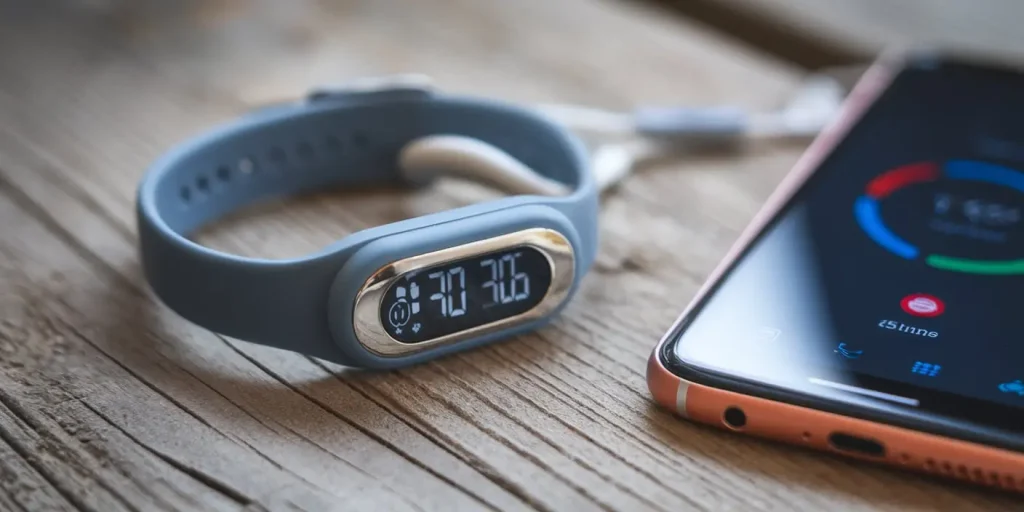
One of the newest wearable tools for helping to keep a dementia patient safe from wandering are tech tools that use GPS to track the location of the wearer.
There are a number of these devices on the market, each with its own features and benefits.
What is a GPS tracking device?
A GPS tracking device is a small, hand-held device (or wearable) that uses the Global Positioning System (GPS) to pinpoint a person’s exact location.
The devices are often used by law enforcement to track criminals or missing persons.
In recent years, GPS tracking devices have become smaller, more accurate and more affordable, making them a popular choice for older adults with dementia who wander.
How do GPS tracking devices work?
GPS technology works by using a network of satellites to pinpoint a person’s location.
The device then uses this information to provide the person’s exact coordinates, which can be used to locate them if they become lost.
Family members and/or caregivers can normally use an app on their smartphone to get the location of their loved one.
These days – there are multiple different types of wearable devices that you could use that provide GPS tracking.
Look through these options for the best tool for your needs.
Invisawear Smart Jewelry

- Meet invisaWear, the most discreet personal safety device – It looks like an everyday accessory (a necklace, bracelet, keychain, fitness band, or even a hair scrunchie) but there’s a button hidden on the back. Double clicking the button allows you to instantly alert your friends, family, or optionally police that you need help. An sms message lets them know you’re requesting help and sends them a link to your live location.
This beautiful necklace is a piece of jewelry that is also a safety device! It’s a good way to contact friends, family, emergency responders as well.
GPS Enabled Watches

from Apple (this particular one also has an anti fall alarm which is pretty cool!).
Another wonderful watch to consider is The Theora Connect™.
Dynotag Medical ID Pendants
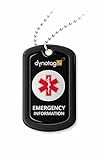
- A MEDICAL ID THAT HOLDS YOUR WHOLE STORY – Any phone camera scans the QR code and opens your online medical profile: conditions, medications, allergies, blood type, doctors, insurance, implants and emergency contacts. Attach documents such as an advance directive or insurance card. Update it from any device when something changes; nothing to re-engrave or reorder.
If your loved one is in the early stages of dementia and can wear this without removing it or losing it, it may prove helpful.
GPS Car Tracker

- LONG-BATTERY VEHICLE TRACKING – Built for cars, trailers, fleets, equipment, boats, and motorcycles, Tracki’s trailer GPS tracker uses a 10,000mAh battery for 2 to 7 months active at 1–5 minute updates or up to 12 months in sleep mode.
The GPS SmartSole

These are patented insoles with a built in GPS tracker inside. They fit into most shoes easily and feel like regular insoles.
Track your loved one’s location via your desktop web browser, tablet or smartphone. You can also set it up to send text and email alerts if your parent leaves their designated area (aka safe zone).
These are a great option for older adults with severe cognitive impairment because they are less likely to remove them.
For more information about these GPS soles and other GPS footwear – click here.
Factors To Consider When Choosing A Wearable Device:
- Ease of use: The product should be easy for both the caregiver and the person with dementia to use.
- Battery life: Choose a device with a long battery life so it doesn’t need to be charged frequently.
- Size and weight: Consider how the device will be worn. It should be comfortable and not too bulky.
- Water resistance: If the person with dementia likes to swim or take baths, choose a water-resistant device.
- GPS tracking: GPS tracking is a helpful feature if the person with dementia tends to wander.
So, here are some products that may help you and your senior loved one!
Other Products To Protect Seniors With Dementia From Wandering
Door Guards
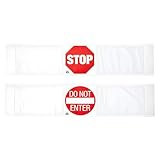
- Stop Sign for Door: The Secure Door Guard Safety Banner is designed with a bright and eye-catching STOP sign on one side and a DO NOT ENTER sign on the other side. This door banner serves as a visual reminder to deter wandering residents or patients from entering restricted areas, ensuring the safety and security of your facility or home. By using this safety banner, caregivers can effectively prevent unauthorized access and keep your residents or patients safe
These are essentially large signs placed ON the door itself or strapped across the door frame.
The reason that these may work is because some elderly with cognitive issues will halt at the STOP sign that is on these products.
Door Locks
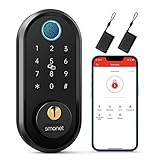
- 7-in-1 Smart Deadbolt – Control your lock with TTLock Smart Phone APP/PC/iWatch, Passcode, Fingerprint, Fob and Key. Smart locks for front door support work with Alexa & Google Home(need a gateway, sold separately). Share the lock by send ekey with family. Generate Permanent, One-time, or Customized passcode, make it more flexible for children, friends or others who wants to entry, bring you a brand-new smart home.
Keyless door locks are one way to help to keep your loved ones safer and hopefully help to keep them from wandering away.
There are multiple options available as you can see by clicking here – and below is a video that goes over the installation of one of these types of locks.
Alarms
There are different types of motion detectors and door sensors with alarms to alert you when and if your elderly loved one attempts to leave the house.
The Smart Caregiver mat can alert you when someone gets off the bed.
The Smart Caregiver floor mat can alert you when someone steps on it – so you would place this in an appropriate place in your home.
Read more about how to secure an exterior door for dementia patients.
You may find that using one or more of these items is necessary to provide your senior loved one with the best possible protection.
However, regardless of your choice, I highly recommend considering a GPS wearable device.
At the end of the day, remember that no solution is 100% foolproof.
Safe Return Program
So, this is not something to help “prevent” wandering but it can be extremely useful if someone with dementia were to wander away.
The Dementia Wanderers Safe Return Program helps caregivers of individuals with dementia who have a tendency to wander and become lost.
The participant is given several forms of identification. A lapel pin, a bracelet, necklace, key chain.
When they are found by someone, they can then contact the number on these forms of ID to get that senior back home to their safe environment.