Regular health screenings for seniors play a vital role in catching problems early and protecting long-term well-being. From blood pressure checks to cancer screenings, these routine tests help older adults stay healthier, longer.
The challenge is knowing which screenings are truly necessary and how often they should be done. The encouraging news is that with clear guidelines, you and your loved ones can create a screening plan that supports safety, independence, and peace of mind.
Quick Rundown
- Routine screenings help detect health issues early when treatment is most effective.
- Recommended tests often include blood pressure, cholesterol, diabetes, and cancer screenings.
- Vision, hearing, and bone density checks are important for senior safety and mobility.
- Personalized screening schedules should be based on age, risk factors, and medical history.
Let’s walk through the most important health screenings for seniors and how they can support a safer, healthier aging journey.
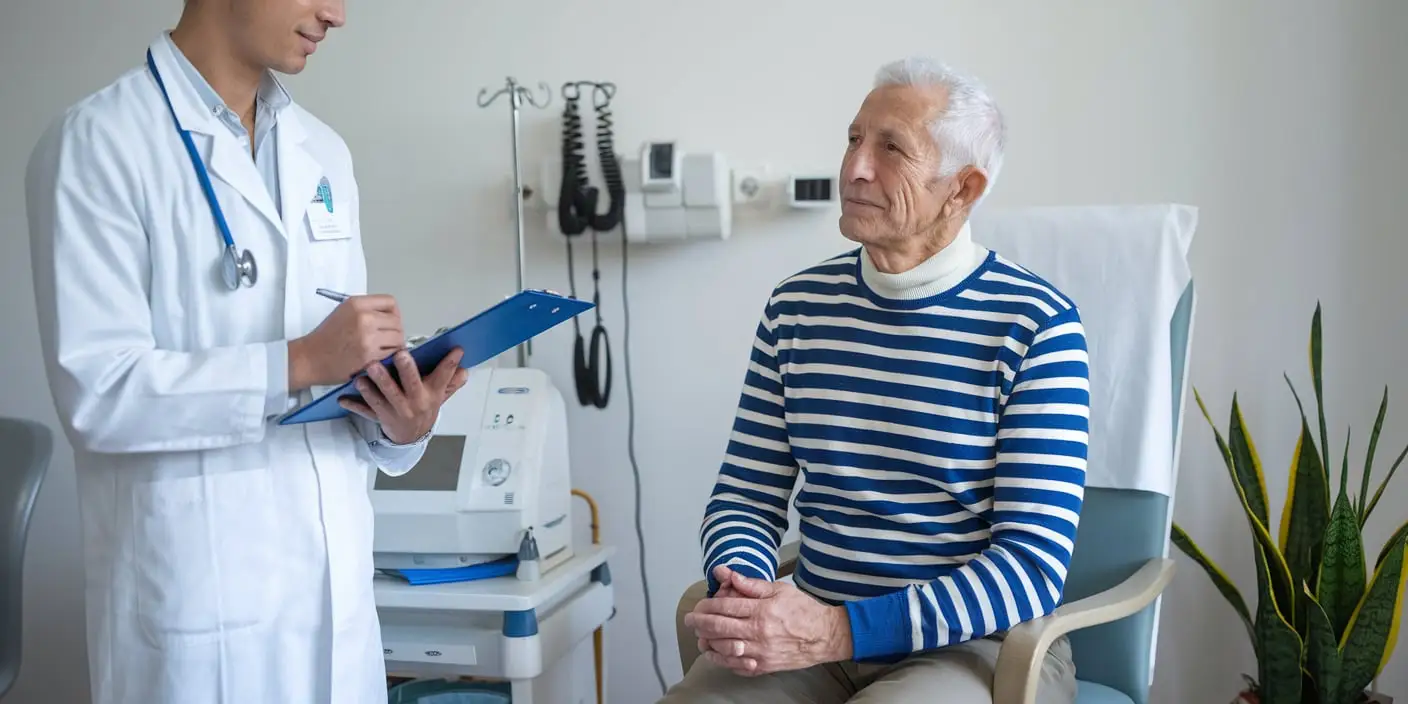
You may not know but Medicare offers Annual Wellness Visits (AWVs) for seniors, which focus on preventive screening and counseling.
Why Regular Screenings Matter
Regular health screenings are your first line of defense against many age-related health issues. They act like an early warning system for your body. Even if you exercise regularly and eat a balanced diet, some health problems can develop silently.
These screenings can detect issues before you notice any symptoms, giving you the best chance at effective treatment or management.
Moreover, regular check-ups give you a chance to discuss any health concerns with your doctor. This ongoing dialogue can help you make informed decisions about your health and lifestyle as you age.
So, let’s go over this list of screenings to help you live a long and healthy, beautiful life.
Comprehensive Preventive Screenings
These screenings form the foundation of senior health care:
Blood Pressure Checks
Your blood pressure can change over time without you feeling any different. High blood pressure, or hypertension, is often called the “silent killer” because it typically has no symptoms. Regular checks can help you and your doctor decide if you need medication or lifestyle changes to keep your blood pressure in a healthy range.
Cholesterol Tests
These tests measure different types of fats in your blood, including “good” (HDL) and “bad” (LDL) cholesterol. Your doctor might recommend these tests more frequently if you have risk factors like diabetes or heart disease in your family history.
Diabetes Screenings
These typically involve a fasting blood sugar test or an A1C test, which measures your average blood sugar over the past few months. If you’re diagnosed with prediabetes, you might be able to prevent or delay the onset of type 2 diabetes through diet and exercise.
Osteoporosis Tests
These tests, often called bone density scans, are painless and quick. They can detect osteoporosis before a fracture occurs, allowing for early treatment that can significantly reduce your risk of breaks.
Additional Tests
Your doctor may recommend other tests based on your health history, such as thyroid function or vitamin D level checks.
Cancer Screenings
The specific cancer screenings you need may vary based on your age, gender, and risk factors:
Breast Cancer (for women)
Besides mammograms, your doctor might recommend breast MRIs if you’re at high risk. Self-exams can also help you become familiar with your breasts so you can report any changes.
Colorectal Cancer
Options include colonoscopy, flexible sigmoidoscopy, or stool-based tests. Each has different benefits and frequencies, so discuss with your doctor which is best for you.
Lung Cancer
Low-dose CT scans are typically recommended for people with a significant smoking history. If you’ve quit smoking, you may still need screening for several years after.
Prostate Cancer (for men)
The PSA blood test and digital rectal exam are common screening methods. However, there’s debate about the benefits vs. risks of prostate cancer screening, so have a thorough discussion with your doctor.
Skin Cancer
While not typically part of routine screenings, regular skin checks by a dermatologist can be crucial, especially if you have risk factors like a history of sunburns or a family history of skin cancer.
Mental Health and Cognitive Screening
Depression
Your doctor might use questionnaires to assess your mood. Be honest about your feelings – depression isn’t a normal part of aging and can be treated effectively.
Cognitive Impairments
These screenings often involve brief memory and thinking tests. They’re not about judging your intelligence, but about catching any changes that might signal early dementia or other cognitive issues.
Anxiety
While not always included in standard screenings, anxiety disorders are common in seniors and can significantly impact quality of life. Don’t hesitate to discuss feelings of worry or stress with your doctor.
Sleep Disorders
Poor sleep can affect both physical and mental health. Your doctor might ask about your sleep habits and potentially recommend a sleep study if there are concerns.
Vision and Hearing Tests
Eye Exams
- These should include tests for glaucoma, which can cause vision loss if untreated.
- Your eye doctor will also check for cataracts, which are very common as we age and can be surgically removed if they significantly impair vision.
- Macular degeneration screening is crucial, as early detection can help preserve your central vision.
Hearing Tests
- Audiologists can perform detailed hearing tests to determine the type and degree of any hearing loss.
- They can also discuss options like hearing aids or assistive listening devices if needed.
- Don’t ignore hearing problems – they can lead to social isolation and are even linked to a higher risk of dementia.
Fall Risk Assessments
These assessments are more comprehensive than you might expect:
Balance and Strength Tests
Your doctor or a physical therapist might ask you to perform simple tasks like standing on one foot or getting up from a chair without using your hands.
Medication Review
Some medications, or combinations of medications, can increase fall risk. Your doctor will review all your medications, including over-the-counter drugs and supplements.
Home Safety Evaluation
Consider having an occupational therapist visit your home. They can suggest specific modifications based on your living space and personal needs.
Footwear Check
Proper footwear can make a big difference in preventing falls. Discuss what types of shoes are best for you.
Additional Unique Screenings for Seniors
While we’ve covered many essential screenings, there are some unique tests that are also important for seniors to be aware of:
Abdominal Aortic Aneurysm (AAA) Screening
- This is a one-time screening recommended for men aged 65-75 who have ever smoked.
- It involves a simple, painless ultrasound of your abdomen to check for a bulge in your aorta.
- Early detection can prevent a dangerous rupture.
Bone Mass Measurement
- While similar to osteoporosis screening, this test specifically measures bone density.
- It’s especially important for women after menopause and men with risk factors for osteoporosis.
- The test can help predict your risk of fractures.
Hepatitis C Screening
- The CDC recommends that all adults born between 1945 and 1965 get tested for Hepatitis C at least once.
- This is a simple blood test that can detect a potentially serious liver infection.
Dental and Oral Cancer Screening
- Regular dental check-ups often include screenings for oral cancer.
- Your dentist will examine your mouth, tongue, and throat for any suspicious areas.
- Early detection of oral cancer significantly improves treatment outcomes.
Peripheral Artery Disease (PAD) Screening
- This test checks for blockages in the arteries of your legs.
- It’s especially important if you have risk factors like smoking, diabetes, or high blood pressure.
- The screening involves comparing blood pressure in your arms and ankles.
Nutritional Screening
- As you age, your nutritional needs and ability to absorb nutrients can change.
- Your doctor may recommend blood tests to check for deficiencies in vitamins like B12 or D.
- They might also assess your risk for malnutrition, which can be a concern for some seniors.
Sleep Apnea Screening
- If you’re experiencing fatigue or your partner notices loud snoring or pauses in your breathing during sleep, your doctor might recommend a sleep study.
- Untreated sleep apnea can increase your risk of heart problems and affect your quality of life.
Thyroid Function Tests
- Thyroid disorders become more common with age and can affect many aspects of your health.
- A simple blood test can check if your thyroid is functioning properly.
Remember, the specific screenings you need may vary based on your personal health history, family history, and risk factors. Always consult with your healthcare provider to determine which screenings are most appropriate for you.
These additional screenings, along with the ones we discussed earlier, form a comprehensive approach to preventive health care for seniors. By staying informed and proactive about these tests, you’re taking important steps to maintain your health and quality of life as you age.
Preparing for Your Screenings
- Keep a health journal: Note any symptoms, changes, or concerns between visits. This can help you remember important points to discuss with your doctor.
- Bring a complete medication list: Include dosages and frequency for all prescription drugs, over-the-counter medications, vitamins, and supplements.
- Know your family history: Some conditions have a genetic component. Knowing your family’s health history can help your doctor determine which screenings are most important for you.
- Fast if required: Some tests, like cholesterol screenings, may require fasting. Confirm any pre-test instructions with your doctor’s office.
- Wear comfortable clothing: Some tests may require you to change into a gown, but comfortable clothes can make the process easier.
Making Your Home Safer
Based on your screening results, consider these additional home modifications:
- Install handrails on both sides of staircases and in hallways.
- Improve bathroom safety with non-slip mats, a raised toilet seat, and a shower chair if needed.
- Ensure good lighting throughout your home, especially on staircases and in hallways. Consider motion-sensor lights for nighttime.
- Organize for accessibility: Keep frequently used items within easy reach to avoid stretching or using step stools.
- Consider medical alert systems: These can provide peace of mind and quick access to help if you do fall.
Taking Charge of Your Health
Remember, these screenings are tools to help you maintain your health and independence. They’re not just about finding problems, but about giving you the knowledge to make informed decisions about your health.
Don’t hesitate to ask questions about your test results or what they mean for your overall health. You’re an active participant in your healthcare, not just a passive recipient.
Consider keeping a personal health record where you can track your screening results over time. This can help you see trends and take an active role in managing your health.
Lastly, remember that a healthy lifestyle – including regular exercise, a balanced diet, social engagement, and mental stimulation – works hand-in-hand with these screenings to keep you healthy and active in your senior years.
By staying proactive about your health screenings, you’re taking important steps to ensure a high quality of life for years to come. Your future self will thank you for the care and attention you’re giving your health today.