Cooking can be a source of comfort and independence for many older adults, but when it comes to gas stoves, safety concerns often rise to the surface.
Maybe you’ve worried about your parent forgetting to turn off a burner, or perhaps you’ve noticed their balance isn’t as steady near open flames. These fears are real, and you’re not overthinking them.
Gas stoves can pose risks for seniors, especially when memory, mobility, or vision challenges are part of daily life.
The reassuring news is that gas stoves don’t automatically have to mean danger. With thoughtful precautions, safety features, and a few smart habits, seniors can often continue to cook with confidence.
This article will guide you through the potential hazards, the protective steps you can take, and when it may be time to consider alternatives.
Quick Rundown: Can Gas Stoves Be Safe for Seniors? Practical Safety Tips
- Understand the Risks: Gas stoves can cause fires, burns, gas leaks, and breathing issues for older adults.
- Health Concerns: Emissions like nitrogen dioxide, carbon monoxide, and benzene worsen COPD, asthma, and dizziness.
- Add Safety Devices: Use auto shut-offs, knob covers, timers, and gas leak detectors for extra protection.
- Support Independence: With good awareness, ventilation, and caregiver oversight, some seniors can safely keep cooking.
- Safer Alternatives: Electric, induction, and countertop appliances reduce fire and air quality risks.
- Know When to Switch: Burned pans, forgetfulness, or frequent smoke signals it’s time for a change.
Let’s begin by looking at the most common dangers gas stoves pose for seniors and how to address them head-on.
Why Gas Stoves Can Be Risky for Older Adults
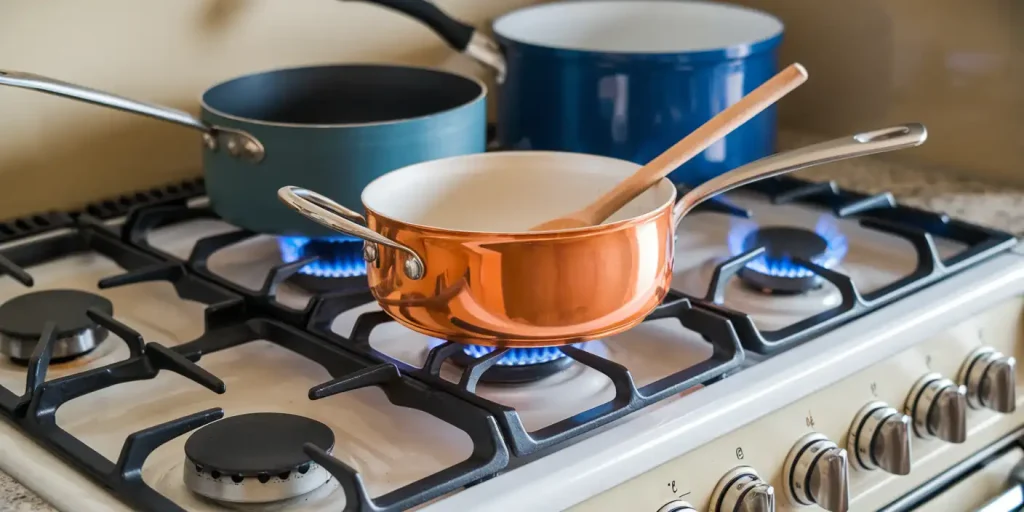
Gas stoves heat fast and cook well. But for seniors, they also come with real risks. I’ve worked with clients who forgot to turn off the burner, didn’t notice a gas smell, or got burned while cooking.
These things don’t happen because someone is careless. Aging changes how our memory, vision, balance, and strength work – and that can make cooking harder and more dangerous.
Common fire hazard risks for older adults include:
- Forgetting to turn off the stove
- Accidental gas leaks
- Clothes catching on fire
- Spills that cause falls or burns
- Arthritis or weakness that makes knobs hard to turn
If your loved one has cognitive impairments, memory loss, vision problems, or poor balance, it’s time to review how safe their stove is.
Health Risks from Gas Stove Emissions
Gas stoves don’t just pose fire dangers – they also release indoor air pollutants. These include:
- Nitrogen dioxide (NO₂)
- Carbon monoxide (CO)
- Methane leakage
- Benzene emissions
These can harm anyone, but especially older adults with asthma, COPD, or other breathing problems. Even a well-working stove can add these gases to your home, especially if there isn’t proper ventilation.
A 2024 study published in Science Advances found that gas stoves emit benzene – a known carcinogen – at levels comparable to secondhand tobacco smoke, even when the stove is off. This highlights the hidden health risks of gas appliances in homes with older adults or those with breathing problems.
Respiratory health risks include:
- Worsening of chronic obstructive pulmonary disease (COPD)
- Asthma exacerbation
- Headaches or dizziness from poor air quality
To lower this risk, always cook with a working range hood that vents to the outside, or add an air purifier to the kitchen.
When a Gas Stove Might Still Be Safe
Not every senior needs to stop using their gas stove. In some cases, it can still be safe – if the person is aware, steady, and supported with the right tools.
One of my past clients, Helen, was 82 and lived alone. She was alert, steady, and loved to cook. After a home visit, we made some simple changes: added a loud timer, installed stove knob covers, and put a big note on the fridge: “Turn Off Stove.” These small changes helped her stay independent and safe.
If your loved one is still doing well, they may just need small safety upgrades.
Tools That Can Make Gas Stoves Safer
There are many stove safety devices that help seniors use gas stoves more safely:
- Knob covers for stoves – Stop burners from being turned on by mistake
- Auto shut-off mechanisms – Devices like:
- FireAvert Gas Stove Auto Shut-Off (turns off gas if smoke alarm sounds)
- Innohome Stove Guard (shuts off stove if left unattended)
- Gas leak detectors – Warn if there’s a leak
- Timer reminders – Loud, easy-to-use timers help with memory
- Stove usage monitoring systems – Like iGuardStove, which alerts caregivers if the stove is left on too long
These are useful for older adults and give peace of mind to caregivers too.
Better Cooking Options for Safety
If gas stoves seem too risky, there are safer choices:
- Electric stove benefits – No flame, easier to turn off
- Induction cooktops – Only heat the pot, not the burner
- Countertop appliances – Air fryers, toaster ovens, and slow cookers are great for simple meals
Many families switch to electric or induction cooking to reduce fire and air quality concerns.
What Health Experts Say About Gas Stoves
Health groups like the American Public Health Association and Environmental Protection Agency (EPA) are speaking out about gas stove emissions. Studies show these stoves can raise indoor pollutant levels and may increase the risk of asthma and breathing problems.
Public health recommendations include:
- Using ventilated range hoods that remove gases from the home
- Avoiding gas stoves if there are kids or seniors in the home
- Replacing old gas appliances with user-friendly stove designs like electric or induction
On a personal note, I myself am in the process of replacing my gas stovetop with an induction. It’s part of my process of making my home as safe as possible as I age in place!
How to Talk to an Aging Parent About Stove Safety
Talking about this can be hard. I’ve helped many families have these talks, and here’s what works:
- Be gentle and show concern
- Say “I’m worried about your safety,” not “You can’t do this anymore”
- Talk about aging in place and keeping independence
- Offer solutions like new tools or appliances
It’s not about control – it’s about elderly independence and kitchen use that’s still safe.
Signs It May Be Time for a Change
Look for these warning signs:
- Burned pans or scorched food
- Forgetting the stove is on
- Frequent smoke or smells of gas
- Feeling nervous about cooking
- Small kitchen accidents or close calls
If you see these, it might be time to replace the stove or add assistive cooking technologies.
Final Thoughts
You’re reading this because you care. And that matters. Gas stoves can be safe for older adults – but only when the person is able, the setup is right, and home modification strategies are in place.
Don’t wait for a fire or illness to make changes. Whether it’s installing a safety device, using a new appliance, or doing a full kitchen safety upgrade, small steps can help your loved one stay safe and independent.
You’re not alone. There are great tools, products, and community resources for senior safety available.
Start small. Take one step. And remember, the goal is safety and freedom.