Caring for someone with dementia often comes with a heartfelt question: How do I keep them busy in a way that feels meaningful, not just distracting?
Maybe you’ve tried giving your loved one small tasks, only to see them grow restless or anxious. Or perhaps you’ve worried that too much unstructured time is leaving them lonely and withdrawn.
Here’s the good news, you don’t need complicated activities to make a difference. Simple, thoughtful options can ease restlessness, give a sense of purpose, and bring moments of calm and joy to their day.
Quick Rundown: How to Keep Someone With Dementia Busy Without Babysitting
- Focus on Engagement, Not Distraction: Meaningful activities reduce restlessness and help your loved one feel valued.
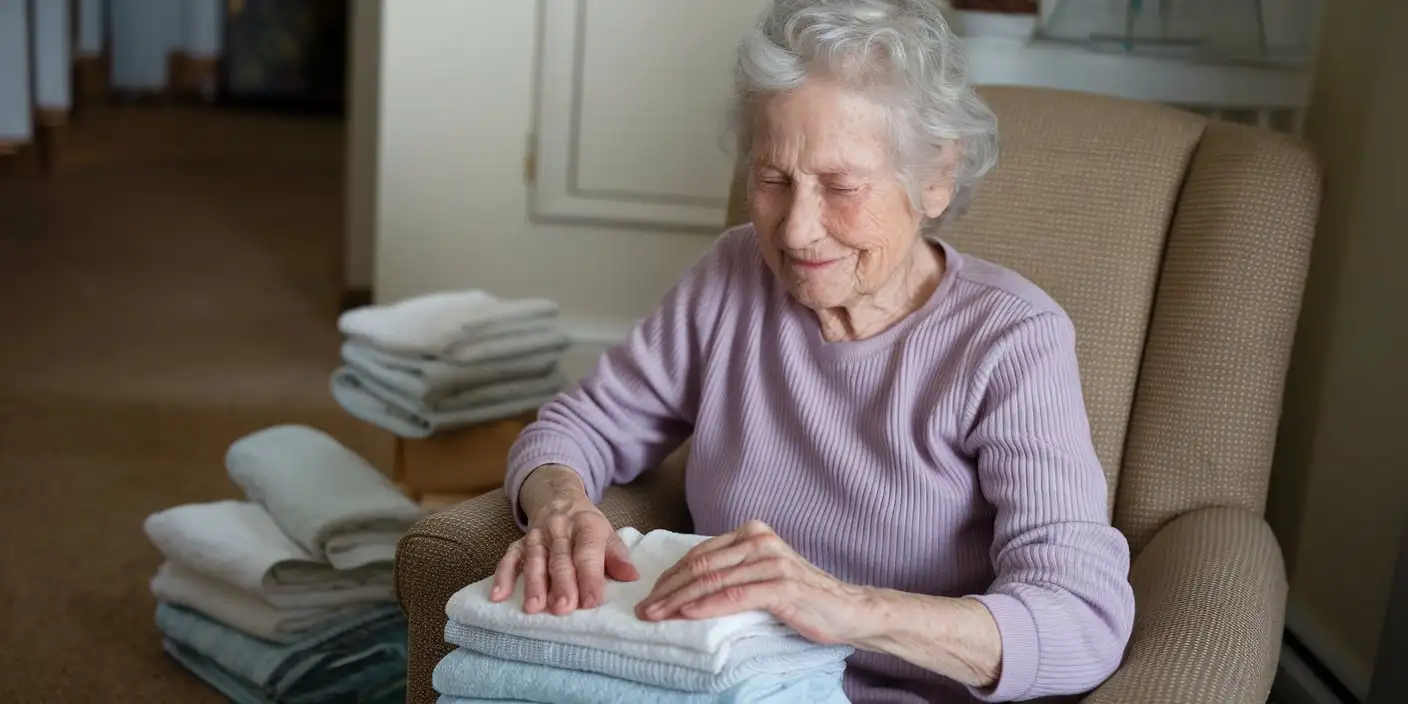
- Tap Into Past Roles: Simple tasks like folding towels, sorting, or setting the table provide comfort through familiarity.
- Soothe With Sensory Activities: Music, touch, scents, and nature sounds can calm agitation and bring peace.
- Spark Joy Creatively: Art, gardening, or flower arranging encourage self-expression—even if projects go unfinished.
- Boost Connection: Games, cooking, and social time help maintain identity and reduce isolation.
- Adapt as Needs Change: Shift from puzzles and reading in early stages to soothing, sensory, and calming activities later.
Now, let’s explore some gentle, practical ways to keep someone with dementia engaged and reassured throughout the day.
❓ How can caregivers tailor activities to different stages of dementia?
💬 As dementia progresses, individuals’ abilities and interests may change. In the early stages, activities that involve problem-solving and memory recall, like puzzles or reading, can be suitable. In the middle stages, focus on activities that involve the senses, such as listening to music or gentle exercises. In the later stages, simple, soothing activities like hand massages or looking through photo albums may be more appropriate. It’s essential to observe and adapt to the individual’s current capabilities and preferences .
Why “Busy” Isn’t the Goal – Engagement Is
When someone has dementia, they may lose their sense of direction and purpose. This can show up as pacing, following you around, or asking the same question over and over. It’s not to bother you, it’s how they’re trying to stay connected.
You may feel like you’re babysitting, but I promise you, you’re not. You’re helping them find moments of peace, pride, and joy. And that starts by giving them meaningful ways to stay engaged, not just “kept busy.”
Start with What They Loved: Life Skills Still Matter
Think about their daily life before dementia. Were they a homemaker? A mechanic? A teacher? These roles helped shape their identity. You can bring pieces of those skills into their day in simple ways.
For example:
- Folding towels
- Wiping off counters
- Sorting coins or buttons
- Setting the table
These life skills and daily routines can offer comfort through familiarity. They may not do them perfectly, and that’s okay. What matters is that they feel useful.
Sensory Activities Can Calm and Soothe
Sometimes, a person with dementia just needs to feel safe in their body. Sensory activities are a gentle way to provide that.
Ideas include:
- Hand massage with lotion
- Running fingers through dry beans or rice
- Listening to nature sounds or favorite music
- Smelling vanilla, lavender, or citrus
I’ve seen people who were agitated become visibly calmer when we focused on comfort through touch, sound, and scent. Sensory work is powerful.
Reconnect Through the Past
Even when short-term memory fades, long-term memories can stay strong. That’s why reminiscence activities can be so meaningful.
You might:
- Look through old family photo albums
- Talk about childhood memories
- Watch classic TV shows they loved
- Sing familiar songs together
Once, I brought in a 1940s magazine for a client. She ran her fingers over the cover, smiled, and said, “I had that dress.” We talked for half an hour.
Creative Activities Spark Joy (Even If They’re Unfinished)
Many people with dementia enjoy making things, even if they don’t finish them. It’s the doing that matters, not the result.
Try:
- Painting with watercolors
- Collaging with old magazines
- Playing with clay or dough
- Arranging artificial flowers
These creative activities help them express themselves and feel proud, even if only for a moment.
Games and Puzzles Can Light Up the Brain
I’ve seen people go from withdrawn to smiling with the right game or puzzle. The key is to keep things simple and familiar.
Great options include:
- Picture bingo
- Matching games
- Large-piece puzzles
- Sorting cards by color or category
When the game feels just right, not too hard or too easy, it brings confidence and connection.
Cooking and Food Prep Bring Familiarity and Comfort
Helping with food, even in small ways, gives your loved one a sense of control. Try things like:
- Washing vegetables
- Stirring a bowl
- Setting out napkins
- Tearing lettuce for salad
Cooking and food preparation connects them to memories and routines, and the smells can spark appetite and joy.
Nature Helps More Than You Think
Being outdoors, even just for a few minutes, can lift a person’s mood, improve sleep, and reduce agitation. Nature is grounding.
Try these outdoor activities:
- Walks in the garden or neighborhood
- Sitting in a sunny spot with a breeze
- Watering plants or picking flowers
- Feeding birds or watching clouds
One client and I used to sit outside each morning and watch the birds at the feeder. She called them her “little friends.”
Don’t Underestimate the Power of Social Time
Even if your loved one forgets names, they still feel connection. Social activities help reduce loneliness and bring joy.
Try:
- Inviting a neighbor over for coffee
- Looking at photos together
- Playing simple games in a group
- Watching a familiar show with others
Even a five-minute friendly chat can make a difference. Isolation can make symptoms worse. Togetherness helps.
❓ What are some effective group activities for individuals with dementia?
💬 Group activities can provide social interaction and cognitive stimulation for individuals with dementia. Activities such as group sing-alongs, art classes, and reminiscence therapy sessions, where participants share memories and stories, can be particularly beneficial. These activities not only engage the mind but also foster a sense of community .
Calming Activities Help Them Feel Safe
Sometimes the day just feels too loud or too much. That’s when comfort and calming activities are helpful.
Good options include:
- Gentle music
- Rocking in a chair
- Warm blankets
- Quiet spaces with soft lighting
I once worked with a man who calmed down every time we gave him a soft fleece blanket and played classical piano music.
❓ How can music therapy benefit someone with dementia?
💬 Music therapy has been shown to have a positive impact on individuals with dementia. Engaging in musical activities, such as singing or playing an instrument, can enhance memory, reduce agitation, and improve overall mood. Research indicates that musical engagement is linked to better cognitive performance in older adults .
Movement Matters, Even in Small Doses
Your loved one may not be able to exercise like they used to, but physical activity is still important for blood flow, digestion, and mood.
Try:
- Seated stretches
- Slow dancing
- Tossing a balloon
- Short walks indoors or outdoors
Even light activity can ease restlessness and improve sleep.
Incorporating Technology into Engagement Activities
Smart tools can open new doors for connection, comfort, and creativity, even for those with memory challenges.
From music apps to interactive games, today’s technology offers simple, user-friendly ways to keep someone with dementia engaged and emotionally supported.
❓ Are there any digital or technological tools that can help keep someone with dementia engaged?
💬 Yes, several technological tools are designed to engage individuals with dementia. For instance, the Tovertafel (“Magic Table”) projects interactive games onto a table surface, encouraging physical movement and cognitive stimulation.
These games are tailored to the abilities of dementia patients and have been implemented in various care settings worldwide .
11 Activity Products For Elders With Dementia
There are many different activities that can be done with elders with dementia.
Even if an elder doesn’t seem interested in participating at first, they may change their mind later on as they start to feel more comfortable with the person who is caring for them.
The first and easiest type of activities are to play the piano or sing a song together. This can help to remind them of their youth and may trigger happy memories.
You could also try painting, cooking, gardening, or working on jigsaw puzzles.
Any of these meaningful activities can be a wonderful way for family members to engage with their senior loved one who is suffering from dementia.
In this article we’ll go over 11 types of activities and some very specific ones that you can do with an older adult with dementia or Alzheimer’s.
Also, check out our ideas of gifts for seniors with dementia.
Arts and Crafts – the first step to helping someone keep busy is usually with arts and crafts. There are some ways that your senior loved one can enjoy their time by working on a crafty project.
Some of the ones that we recommend are:
Metallic Rock Painting
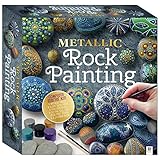
- PERFECT for those who enjoy the creative and meditative pastimes of arts and crafts, Metallic Rock Painting will teach you how to create eye-catching works of art that will stylishly shine and glimmer.
Activities that are repetitive are usually very good for someone with a cognitive deficit. So painting kits work well and can provide a great sense of accomplishment.
Large Lego Blocks
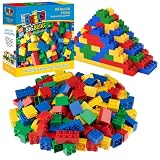
- Strictly Briks Building Fun: Dive into creativity with Strictly Briks building set, which is compatible with LEGO. Perfect for toddlers who love building toys and creating their own colorful cities with ease
Large Lego blocks or PVC pipes or anything that can be put together and then taken apart again can be an activity that can keep someone with dementia or Alzheimer’s busy.
Video Calls
Using Zoom or Amazon’s Echo Show to make video calls with loved ones is a wonderful way to spend some time – especially for seniors in the early stages of dementia.
Purposeful Activities
One thing that we advocate very much is to provide seniors who are suffering from dementia or Alzheimer’s purposeful tasks.
Such activities can be very meaningful and provide a sense of purpose. But it’s important to tap into the person’s previous experience.
Of course, you want to make sure that the meaningful activity is safe. Some types of daily activities that I can recommend are…
- Folding towels, sheets, napkins, etc.
- Tending to a garden (indoor or outdoor garden)
- Making cookie dough, rolling out pie dough, etc.
- Raking the leaves
- Sweeping (indoors or outdoors)
- Organizing a drawer or box of buttons or box of pens, etc.
- Brushing the dog or cat
- Pairing and folding socks
- Any type of sorting activity. Sorting colorful clothes pins or coins or golf balls, etc.
One tip I can give you is to not interfere with how they are doing the task.
They may not fold the socks the way you want it done or sweep the floor perfectly (or well at all) but it’s important that you simply let them do it how they can do it.
Instead of automatically helping with a task, we should adapt activities as needed to allow them to do as much as possible for as long as possible.
Dailycaring.com
For seniors with severe dementia or Alzheimer’s busy boards may be enough to help them feel that they are accomplishing a task.
No products found.
And if you or other family caregivers are very handy at sewing, you may even want to try to make your very own fidget blankets!
Board Games and More
Most everyone enjoys recreational board games and it may be no different with someone suffering from dementia or Alzheimer’s.
Of course though – you have to be careful to make sure that the activity is simple enough so that it’s not frustrating for your senior loved one. Some that we can recommend are…
- Bingo
- Dominoes
- Jenga
- Spinning Tops
- Cornhole
Any games that they have played before or that they are familiar with may also work well.
Large Piece Puzzles

- ESTABLISHED SINCE 2011 – Relish has been dedicated to improving the lives of people with dementia. With our years of experience, we specialise in creating engaging, meaningful dementia activities and games, as well as age-appropriate toys designed to boost wellbeing and bring joy to the elderly, seniors and most importantly, people living with Dementia and Alzheimers. Discover our thoughtful range of dementia products, purposefully created to make every moment more enjoyable.
Most seniors do better with large piece puzzles but of course – you can determine whether or not your loved one would do well with smaller pieces.
Match It Games

- DESIGNED FOR SENIORS WITH DEMENTIA – not childish, age appropriate puzzles, games and toys for elderly with dementia. No mention of “dementia” or “Alzheimer’s” on the product or packaging
Any game that involves matching shapes or words, etc. normally work well with patients with dementia or Alzheimer’s.
Walking and Movement
Of course, walking, tai chi and any physical activity as well as outdoor activities are always excellent as long as they can be performed safely.
It may be that your senior loved one can follow a DVD of simple stretches or chair yoga exercises.
Or just taking a walk with someone in the park or around the neighborhood could be a wonderful way to get some fresh air and some exercise.
These types of physical activities can also provide social interaction which can be very difficult for many older adults suffering from a deficit in their cognitive function.
Music Can Soothe The Soul
There’s no doubt that for many humans (and animals too) music can truly soothe the soul and the mind.
This is also very true for Alzheimer’s patients and anyone suffering from any type of dementia.
So listening to a favorite singer or genre of music can help to pass the time beautifully.

This great mp3 music player is very easy to use and has a 4 GB capacity and holds between 1500 to 2000 songs.
Movies For Entertainment
Choose your favorite genre of movies and TV shows. Collect some DVD’s and spend some time reminiscing about the golden age of Hollywood!
Comedies are my favorite because no matter how bad a day may be – humor can somehow always make it better.

- Factory sealed DVD
Outdoor Picnics / Meals
If the weather is great why not spend some time having a picnic! It could even be just in your own backyard or front porch.
Even better if you have bird feeders and can watch the squirrels and birds.
Make it more fun with an old fashioned basket to pack your meal.

- California picnic newest wood chip design: unmatched in quality and durability features red/white gingham pattern liner. our woven woodchip baskets are best in class.
Check out our article on creating an Activity Calendar for Seniors With Dementia for even more ideas and activities.
There are more activities of course that you can do with your senior loved ones who are suffering from dementia or Alzheimer’s,
I recommend that you do try to find appropriate activities that are best suited for the various stages of dementia that they are going through.
❓ Are there any community resources or programs that support engagement for people with dementia?
💬 Yes, many communities offer programs designed to support individuals with dementia. For example, the Alzheimer’s Association provides resources and organizes events like “The Longest Day” to raise awareness and funds. Additionally, initiatives like “Angie’s Babies” distribute therapeutic dolls to comfort those with dementia . Local senior centers and memory cafes also offer activities and support groups tailored to individuals with dementia and their caregivers.
It can provide you with some wonderful memories of your time together.