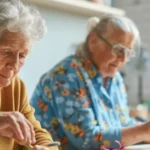
Crafting offers more than just a way to pass the time, it provides therapeutic benefits for seniors that support mental health, memory, and emotional well-being.
Research shows that creative activities like knitting, painting, or scrapbooking can reduce stress, improve cognitive function, and boost overall quality of life for older adults.
Quick Rundown: Therapeutic Benefits of Crafting for Seniors, Healing Through Creativity
- Supports Mental Health: Crafting reduces stress, eases anxiety, and promotes relaxation through mindful activity.
- Boosts Cognitive Function: Projects that involve planning, problem-solving, and memory recall help keep the brain active.
- Improves Fine Motor Skills: Cutting, gluing, knitting, or painting strengthen hand coordination and dexterity.
- Encourages Social Engagement: Group crafting fosters conversation, reduces isolation, and builds a sense of belonging.
- Provides Emotional Expression: Artistic projects give seniors an outlet to express feelings and preserve memories.
- Creates a Sense of Purpose: Finishing a project brings pride, accomplishment, and motivation to stay active.
I know many seniors feel hesitant to start crafting again, especially if your hands aren’t as steady or you’ve lost confidence in your abilities.
I know from experience, with patients and my own aging mother, how even simple projects can bring joy, calm, and a renewed sense of purpose.
In this guide, we’ll explore the therapeutic benefits of crafting for seniors and how you can choose projects that are enjoyable, safe, and deeply rewarding.

Crafting Groups: More Than Just a Social Outing
When someone loses touch with friends or stops going out, their world shrinks. Crafting groups are like bridges to a fuller life. They support social engagement, encourage peer support, and bring a sense of belonging.
I once worked with a woman named Ruth who had lost her husband and felt completely alone.
She came to a crafting class and, at first, barely spoke. But over a few weeks, I saw her open up. She started bringing cookies for the group and even teaching others how to knit.
That group gave her a reason to get out of bed in the morning.
In these settings, people share experiences, learn new skills, and celebrate each other’s little victories. It’s not just fun, it’s meaningful. You feel seen. You feel part of something.
Crafting also preserves family and cultural traditions. I’ve seen grandparents teach younger generations how to make quilts, crochet, or create holiday ornaments. These moments build intergenerational bonds and keep traditions alive.
❓ What are the best group crafts for seniors with mobility issues?
💬 Choose crafts that can be done while seated and require minimal materials, like card-making, coloring, or large-bead jewelry. These offer creativity without physical strain and help maintain dexterity.
Crafting in Therapy and Rehab: Small Steps, Big Progress
Crafting helps rebuild what illness or injury may have taken away. In rehabilitation programs, I often used simple projects like folding cards, painting, or stringing beads to support fine motor skills and hand-eye coordination.
One gentleman recovering from a stroke struggled with muscle control. But when we gave him a paintbrush and watercolor paper, his concentration changed.
Bit by bit, his hand got steadier. The pride on his face when he finished his first painting brought tears to my eyes.
Crafting also strengthens grip, boosts joint flexibility, and supports physical recovery. Tasks like threading beads or shaping clay improve dexterity and help preserve independence.
Each project is a step toward better brain and body connection. Every finished piece is proof of progress.
❓ Can crafts help reduce the risk of dementia?
💬 Yes, studies show that mentally stimulating activities like crafting support cognitive function and may help slow cognitive decline. Crafts that involve memory, sequencing, or problem-solving are especially helpful.
Mental Health and Crafting: A Quiet Way to Feel Better
Anxiety, depression, and grief can weigh heavily, especially as we age. But crafting gives the mind a break.
When you’re focused on creating something, cutting fabric, painting, or building a photo collage, your worries quiet down. That flow state brings calm and mental clarity.
Crafting also supports emotional expression. One woman I worked with had dementia and couldn’t always find the right words. But give her a set of colored pencils and a sketch pad, and she’d draw scenes from her childhood. That was her way of communicating.
Even simple activities like coloring or working on sticker books can reduce stress and bring emotional relief. You’re making something with your hands and creating beauty, and that builds inner satisfaction.
❓ How can I encourage a senior who feels too discouraged to start crafting?
💬 Start small with familiar activities or themes that relate to their interests. Offer to craft alongside them or share a memory connected to the project. Focus on fun, not perfection.
How Caregivers Can Help Without Taking Over
If you’re a caregiver, your role is key. But it’s not about doing everything, it’s about creating opportunities. You can help by organizing supplies, offering gentle guidance, or joining the activity. Just remember not to take over.
Let your loved one take the lead. That sense of autonomy is healing. One daughter I worked with used to cut all the pieces of her mom’s project ahead of time.
But once she stepped back and let her mom try, even if it took longer, it changed everything. Her mom smiled more, talked more, and felt proud.
Crafting together is also a bonding experience. You can laugh, talk, and create side by side. These shared moments bring emotional connection, even on hard days.
Safe, Stimulating Crafts for Cognitive Decline
Seniors with memory loss or cognitive changes can still enjoy crafting. Choose projects that use sorting, matching, or repetition. Try painting by numbers, sticker mosaics, or color-based button sorting.
These activities improve cognitive function without being frustrating. They bring routine and comfort. Doing the same type of project each week builds memory recognition and boosts confidence.
Linking crafts to holidays or seasons also helps with memory recall. Making seasonal decorations or holiday cards can spark joyful recognition and a sense of tradition. 🕯️
❓ Are there affordable crafting options for seniors on a budget?
💬 Absolutely. Many great supplies can be found at dollar stores, thrift shops, or even by reusing materials like magazines, fabric scraps, or greeting cards. Libraries and senior centers may offer free group craft sessions.
Creative Expression Builds Brain and Heart Health
Engaging in arts and crafts supports neuroplasticity, which means the brain stays flexible and keeps learning. Projects that involve decision-making, design, or storytelling boost mental agility and attention span.
Crafting is more than a hobby, it’s brain therapy and emotional support wrapped into one. It nurtures creativity, encourages mindfulness, and helps seniors stay mentally and emotionally strong.
Final Thoughts: Creativity Is a Bridge to Connection and Joy
If you’re feeling disconnected, unmotivated, or unsure of what to do next, I want you to know this: there’s hope. Crafting may seem simple, but it’s a tool for healing. It brings people together. It sparks joy. It builds confidence.
And it doesn’t require perfection, just willingness.
You are still capable of growth, connection, and beauty. And if you’re a caregiver reading this, your support can help bring that light back into someone’s life.
So pick up a glue stick, a pair of scissors, or a ball of yarn. And begin. You never know how far a simple craft can take you.