Yes, seniors can absolutely prevent hypothermia by keeping their homes at a safe temperature, layering clothing correctly, and preparing for cold weather emergencies.
Hypothermia in the elderly is dangerous because aging bodies lose heat faster, medications can blunt warning signs, and confusion may set in before help is called. The hopeful part is that with small, intentional changes, you can stay warm, safe, and independent all winter.
Quick Rundown: How Seniors Can Stay Warm and Safe in Cold Weather
- Safe Home Temperatures: Keep indoor rooms between 68–75°F and use thermometers to monitor living spaces.
- Layer Smartly: Wear moisture-wicking base layers, a warm middle layer, and waterproof outerwear for protection.
- Emergency Planning: Prepare with power outage supplies, clear relocation steps, and an updated contact list.
- Know the Warning Signs: Watch for shivering, fumbling hands, or slurred speech as early indicators of hypothermia.
- Affordable Heating Help: Tap into programs like LIHEAP and local warming centers to keep costs manageable.
Now let’s go step by step, answering the most common questions seniors and caregivers ask about cold weather safety.
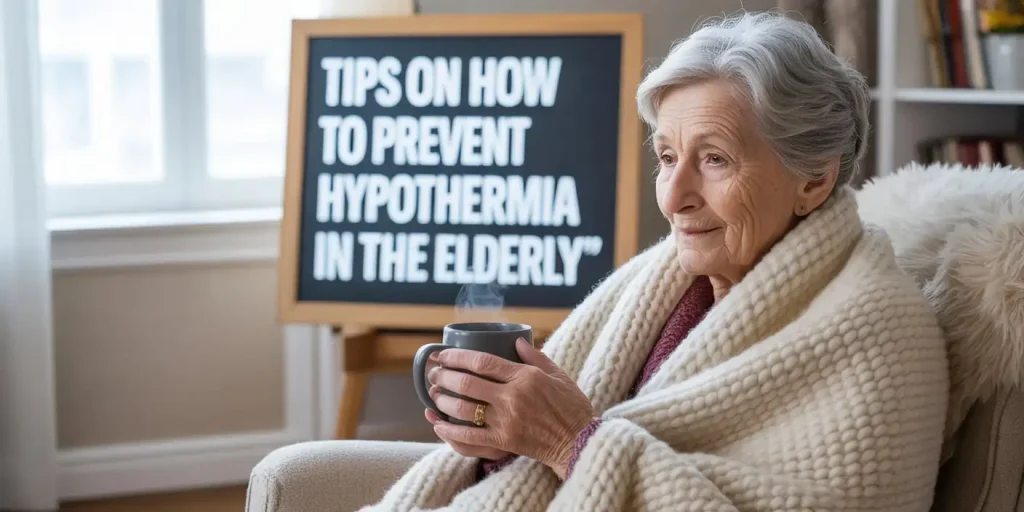
Why Are Seniors More Susceptible to Hypothermia?
Older adults are at higher risk because the body does not regulate temperature as well with age. Fat layers thin, circulation slows, and metabolism does not generate as much heat.
Medications such as sedatives, beta-blockers, thyroid drugs, or diabetes medicines can make it harder to feel cold or shiver when you should.
❓Which medications increase the risk of hypothermia in the elderly?
💬 Common medications like sedatives, beta-blockers, thyroid medicines, and certain diabetes drugs can make it harder to feel cold or regulate body temperature. Always ask your doctor if your prescriptions affect cold sensitivity.
Cognitive conditions like dementia add more risk because the person may not notice how cold they are or may forget to dress warmly.
Another reason is how the body loses heat:
- Radiation: heat escapes from exposed skin like the head and chest.
- Conduction: sitting on cold chairs or touching cold surfaces pulls heat away.
- Convection: drafts and wind speed up body heat loss.
- Evaporation: damp skin from sweat or wet clothing makes cooling faster.
What Is the Safe Indoor Temperature for Seniors?
The safe indoor temperature range for older adults is 68–75°F. Below 68°F, the risk of confusion, slowed reaction time, and hypothermia rises quickly.
Place thermometers in the bedroom, bathroom, and main living room, not just the hallway, because seniors spend most of their time in those areas.
To keep heat in:
- Seal drafts with weather-stripping or rolled towels at the base of doors.
- Use heavy curtains to block heat loss from windows.
- Close off unused rooms to create warm zones where time is spent.
- Manage your home’s heating smartly with a programmable or smart thermostat. For example, the Google Nest Learning Thermostat (4th Gen) adjusts heating schedules and can help maintain safe temperatures automatically.
❓What temperature is too cold for seniors indoors?
💬 Any room consistently below 68°F (20°C) is unsafe for seniors. Prolonged exposure can cause confusion, shivering, and a higher risk of hypothermia. Keep living spaces in the 68–75°F range.
What Daily Habits Protect Seniors from Hypothermia?
Safe habits make the biggest difference day to day:
- Dress in layers. Use a moisture-wicking base layer, add a warm middle layer, and finish with a windproof and waterproof outer layer. Always cover the head, neck, and hands.
- Stay dry. Change out of damp or sweaty clothes right away, even indoors. Moisture on the skin speeds up heat loss.
- Warm before you sit. Put a blanket in the dryer or warm a chair throw before using it. Or use a heated throw blanket designed with safety in mind, something like the Bedsure Heated Blanket (50×60 inches, 6 heat levels, auto shut-off) can help.
- Eat and drink for warmth. Hot soups, tea, and lemon water support steady body heat. Avoid alcohol, it causes your core temperature to drop.
- Choose safe warming. Never place heating pads on numb feet or hands, as this can cause burns.
I remember helping my father-in-law one winter. He kept his thermostat at 64°F, saying it was “warm enough,” but his hands trembled and his speech slowed.
Once we raised the heat and gave him a hot drink, he perked up quickly. That taught me how subtle hypothermia can be indoors.
❓Can seniors get hypothermia even inside the house?
💬 Yes, hypothermia can happen indoors if the thermostat is too low, if drafts are present, or if someone sits still for long periods without enough clothing or blankets. Staying warm indoors is just as important as dressing warmly outside.
How Should Seniors Prepare for Cold Weather Emergencies?
Every older adult should have a cold-weather emergency plan:
- Power outage kit. Store flashlights, headlamps, extra blankets, and a thermos with hot drinks. Keep a charged backup battery for your phone. Here’s a kit you may like!
- Relocation triggers. If the indoor temperature drops below 68°F for two hours, or if power is out for more than four hours, move to a warming center or a family member’s home.
- Emergency bag. Pack ID, medications, dry clothes, and a blanket. Emergency bags are one of those items that most people don’t think about but should absolutely have!
When rewarming after exposure, go slowly. Focus heat on the chest, neck, and groin, not the hands or feet, to avoid “after-drop” shock to the heart. Never use hot baths, space heaters right on the skin, or heat lamps.
I once helped a neighbor whose furnace failed during an ice storm. She resisted leaving, but once she began shivering and her confusion worsened, we moved her into our warm home. Her symptoms improved within an hour!
❓What should you never do when treating hypothermia in a senior?
💬 Never use hot baths, heating pads, or heat lamps to rewarm quickly. Rapid heating can cause heart rhythm problems. Always warm the core gently and call emergency services if symptoms are severe.
How Can Seniors Stay Safe Outdoors in Winter?
Older adults can enjoy the outdoors, but exposure should be short and safe:
- Always check the wind chill chart before leaving.
- Limit outings to 15–20 minutes if it is below freezing.
- Plan errands for the warmest part of the day, not early mornings or late evenings.
- Wear non-slip winter boots with good tread to prevent falls on ice.
- Watch for numb fingers, clumsy hands, or slurred speech, go inside immediately if these appear.
What Resources Help Seniors Keep Warm?
Heating costs can be overwhelming. Programs like LIHEAP provide fuel assistance, crisis funds, and “no-disconnect” protections.
❓What is the LIHEAP program?
💬The Low-Income Home Energy Assistance Program (LIHEAP) is a federally funded program that operates nationwide in all 50 states, the District of Columbia, U.S. territories, and with tribal governments. However, LIHEAP is not administered by the federal government directly to the public; instead, each state, territory, or tribal organization receives the funding and then manages its own program with varying eligibility criteria and benefits
Many communities now run warming centers or designated warm spaces for cold snaps. Caregivers and neighbors can also set up regular check-ins during winter alerts.
❓How can seniors reduce heating costs but still stay safe?
💬 Close off unused rooms, seal drafts, use heavy curtains, and apply for heating assistance programs like LIHEAP. These steps lower costs while keeping living areas warm enough to prevent hypothermia.
What Are the Warning Signs of Hypothermia?
Recognizing hypothermia early is critical:
- Early signs: shivering, pale skin, fumbling hands, and mild confusion.
- Severe signs: no shivering, slurred speech, weak pulse, slowed breathing, drowsiness, and body temperature under 95°F.
❓What is the difference between hypothermia and frostbite?
💬 Hypothermia is a drop in core body temperature below 95°F, affecting the whole body. Frostbite happens when skin and underlying tissue freeze, usually on fingers, toes, ears, or the nose. Both can happen together, but hypothermia is life-threatening and requires emergency care.
If you suspect hypothermia, call emergency services immediately. While waiting, move the person to a warmer space, remove wet clothes, insulate with blankets, and warm the chest, neck, and groin.
What Extra Steps Protect High-Risk Seniors?
For older adults with dementia, poor circulation, or limited mobility, prevention should be automatic, not optional:
- Use smart thermostats locked at safe ranges.
- Add color-coded thermometers (green for safe, red for unsafe).
- Only use space heaters with automatic shut off devices installed.
- Caregivers should keep checklists to confirm blankets, hot drinks, and warm clothes are in place each day.
- Review medications with a doctor before winter, since some increase cold sensitivity.
Final Thoughts
Hypothermia in older adults is a silent danger, but it is preventable. By setting safe indoor temperatures, dressing in layers, staying dry, and planning for emergencies, you can cut the risks dramatically.
Don’t wait for the first cold snap, prepare now, talk with your family, and check your thermostat today.