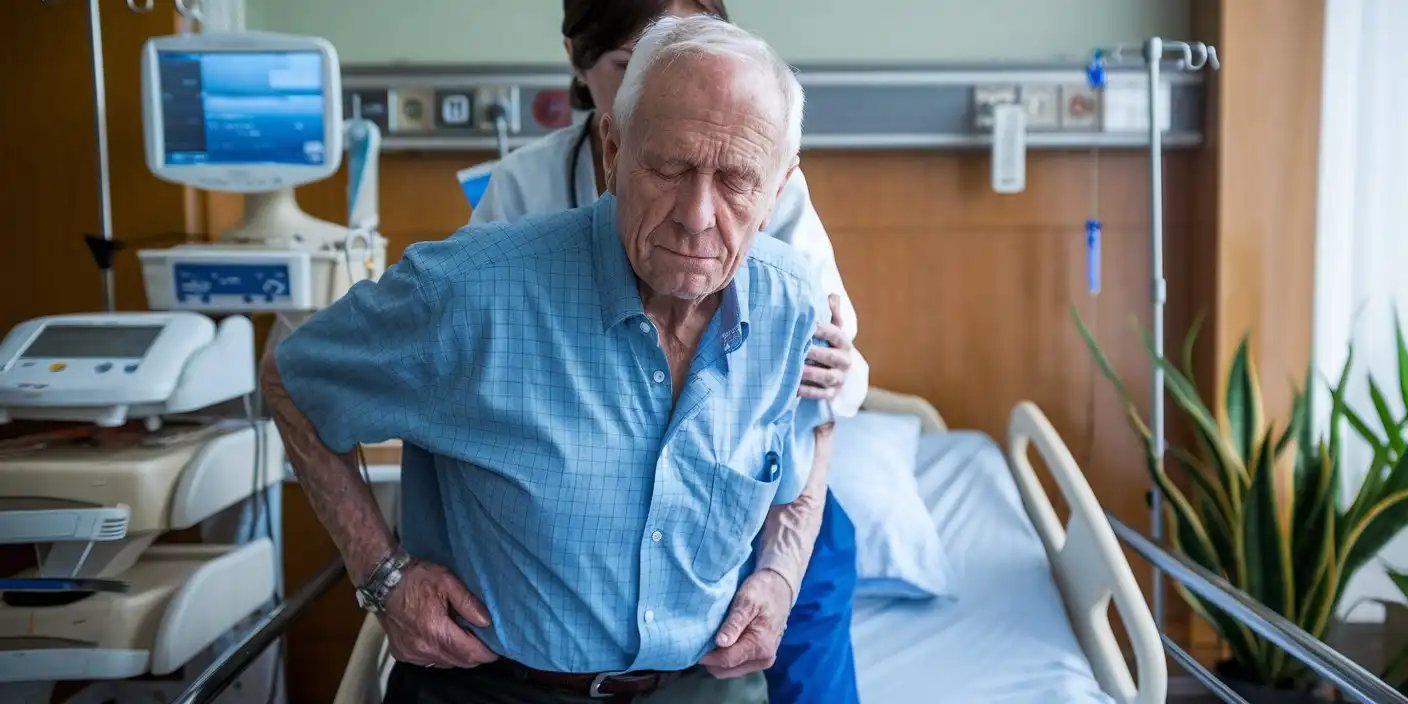
Dementia affects more than just memory, it also increases the risk of dangerous accidents. In fact, dementia and falls often go hand in hand, as confusion, poor balance, and changes in judgment make everyday movements more hazardous for seniors.
Families naturally worry when a loved one with dementia begins to stumble, trip, or lose balance more often.
The encouraging news is that with the right strategies, like home safety changes, supervision, and mobility support, you can lower fall risks and protect independence for as long as possible.
Quick Rundown
- Dementia increases fall risks due to confusion, poor balance, and judgment changes.
- Falls can lead to serious injuries, hospitalization, and loss of independence.
- Simple home modifications and mobility aids reduce hazards.
- Structured routines and close supervision improve safety.
- Caregiver awareness is key to preventing accidents.
With these insights, let’s take a closer look at how dementia contributes to falls, and the steps you can take to keep your loved one safer.
Understanding the Link Between Dementia and Falls
Dementia can affect a person’s balance in several ways:
- Brain damage: Dementia causes damage to various parts of the brain, including areas responsible for coordination and movement. This can directly impact a person’s ability to maintain balance.
- Spatial awareness: People with dementia often have difficulty judging distances and navigating their environment, which can lead to bumping into objects or misjudging steps.
- Slower processing: Dementia can slow down a person’s ability to process information, making it harder to react quickly to changes in balance or position.
- Gait changes: As dementia progresses, people may develop an unsteady or shuffling gait, which increases the risk of tripping and falling.
- Muscle weakness: Reduced physical activity due to cognitive decline can lead to muscle weakness, further compromising balance.
- Medication side effects: Some medications used to treat dementia symptoms can cause dizziness or affect balance.
- Visual perception: Dementia can affect how the brain interprets visual information, making it harder to navigate surroundings safely.
- Cognitive overload: Simple tasks like walking may require more cognitive effort for someone with dementia, leaving fewer mental resources for maintaining balance.
It’s important to note that balance problems can occur at different stages of dementia, sometimes even appearing in early stages or before other symptoms become apparent.
These issues tend to worsen as the disease progresses, increasing the risk of falls and injuries.
Assessing Fall Risk Factors in Dementia Patients
To effectively prevent falls, caregivers must first understand the specific risks their loved ones face.
Some key factors contributing to increased fall risk include:
- Impaired judgment: People with dementia may overestimate their physical capabilities or fail to recognize hazards.
- Reduced spatial awareness: Difficulty in perceiving depth and distances can lead to missteps.
- Medication side effects: Many medications used to manage dementia symptoms can cause dizziness or drowsiness.
- Muscle weakness: As dementia progresses, physical strength often declines, increasing fall risk.
- Gait abnormalities: Changes in walking patterns can affect balance and stability.
- Confusion and disorientation: These common symptoms of dementia can lead to unsafe behaviors.
A 2021 study identified several strong risk factors for future falls in individuals with dementia, including a history of falling, low education levels, aging, mild dementia, and certain mobility limitations.
Home Safety Modifications and Environmental Hazards
Creating a safer environment is key to reducing fall risks. Here are some effective measures:
- Remove throw rugs and secure loose carpeting: These can be major tripping hazards.
- Removing tripping hazards: Clear clutter, secure loose rugs, and remove unnecessary furniture to create clear pathways throughout the home.
- Install handrails on both sides of staircases: This provides support and stability when navigating stairs.
- Improve lighting throughout the home: Ensure all areas, especially hallways and bathrooms, are well-lit.
- Use contrasting colors: This can help with depth perception. For example, use a different color for the toilet seat than the floor.
- Clear clutter and create wide pathways: This allows for easier navigation, especially if using a walker or wheelchair.
- Address nighttime safety: Use motion-sensor night lights to illuminate pathways to the bathroom.
- Installing safety equipment: Add grab bars in bathrooms, handrails on both sides of staircases, and non-slip mats in showers and bathtubs.
- Organizing frequently used items: Keep everyday items within easy reach to prevent unnecessary stretching or bending.
Regular Health Check-ups
Regular health check-ups are crucial in fall prevention. Here’s why:
- Vision checks: Poor vision can significantly increase fall risk. Ensure your loved one’s eyeglass prescription is up-to-date.
- Hearing tests: Hearing loss can affect balance and spatial awareness.
- Medication reviews: Some medications can increase fall risk. Regular reviews can help manage side effects.
The Importance of Proper Footwear and Mobility Aids
Proper footwear can make a big difference in preventing falls. Look for shoes that:
- Have non-slip soles.
- Fit well and provide good support.
- Are easy to put on and take off.
- Have low heels and a wide base.
Avoid backless shoes, high heels, and shoes with slippery soles.
Additionally, consider the use of mobility aids such as walkers or canes, ensuring they’re properly fitted and used correctly.
Nutrition and Hydration
Proper nutrition and hydration play a crucial role in fall prevention:
- Stay hydrated: Dehydration can cause dizziness and confusion, increasing fall risk.
- Maintain a balanced diet: Proper nutrition helps maintain muscle strength and bone density.
- Consider vitamin D supplements: Vitamin D deficiency is common in older adults and can contribute to fall risk.
Fall Prevention Technology and Emergency Response Systems
Modern technology can be a great ally in fall prevention:
- Motion sensors: These can alert caregivers to nighttime wandering.
- Wearable devices: Some can detect falls and automatically alert emergency services.
- Smart home systems: These can automate lighting and other home functions for added safety.
- Emergency response systems: These allow individuals to call for help quickly if a fall occurs.
Exercise Programs and Physical Therapy
Regular exercise is crucial in maintaining strength, balance, and flexibility – all essential for fall prevention.
Consider:
- Tai Chi: This gentle exercise improves balance and body awareness.
- Seated exercises: These can help maintain strength even for those with limited mobility.
- Walking: Regular walks, with proper support, can improve overall fitness.
Work with a physical therapist to develop a safe, personalized exercise plan that addresses coordination difficulties and muscle weakness.
Medication Management and Fall Risk
Proper medication management is vital in fall prevention for individuals with dementia. Caregivers should:
- Regularly review medications with healthcare providers.
- Be aware of potential side effects that may increase fall risk.
- Consider using pill organizers or medication reminders to ensure proper dosing.
Responding to Falls and Preventing Complications
Despite best efforts, falls may still occur. Caregivers should be prepared to:
- Remain calm and assess the situation.
- Check for injuries before attempting to move the person.
- Seek medical attention if there are signs of injury or if the person cannot get up.
- Document the circumstances of the fall to help prevent future incidents.
Caregiver Strategies and Education
As a caregiver, your knowledge and skills are crucial in fall prevention:
- Learn proper transfer techniques: This can prevent falls during daily activities like getting out of bed.
- Understand the progression of dementia: This helps you anticipate and prepare for changing needs.
- Join a support group: Connecting with other caregivers can provide valuable insights and emotional support.
- Implement wandering prevention strategies: Use door alarms or consider GPS tracking devices for added safety.
- Be prepared for behavioral changes: As dementia progresses, new challenges may arise that require adaptive strategies.
Creative Ways To Adapt A Home As Dementia Progresses
Here are some creative ways to adapt the home as dementia progresses:
Create Memory Stations
Set up dedicated areas around the home focused on specific activities or memories:
- A dressing station with a few simple clothing options laid out.
- A hobby corner with materials for a favorite pastime like knitting or painting.
- A reminiscence area with old photos, mementos, and familiar objects to spark memories.
These stations can provide purpose and stimulation while simplifying tasks.
Use Visual Cues
Incorporate visual aids to help with navigation and daily activities:
- Place large, clear photos on doors to indicate room functions (e.g. bathroom, bedroom).
- Use contrasting colors for important objects like toilet seats, handrails, and light switches.
- Add pictorial labels to drawers and cabinets showing their contents.
- Create a visual daily schedule with pictures of activities and meals.
Enhance Sensory Experiences
Appeal to different senses to create a comforting environment:
- Install a bird feeder outside a window for visual interest.
- Use aromatherapy with familiar scents like lavender or vanilla.
- Play soothing background music or nature sounds.
- Provide textured objects for tactile stimulation, like soft blankets or stress balls.
Simplify and Declutter
Reduce visual confusion and overwhelm:
- Remove unnecessary furniture and decor to create clear pathways.
- Use solid color bedding and window treatments instead of busy patterns.
- Store rarely used items out of sight to minimize choices.
- Set up a designated “rummaging drawer” with safe items to explore.
Create Safe Wandering Paths
For those prone to wandering:
- Install motion sensor lights along hallways and to the bathroom.
- Use contrasting floor colors to create a visual path through the home.
- Place familiar objects as “landmarks” along common routes.
- Consider a circular path around a central area for safe pacing.
Incorporate Adaptive Technologies
Utilize specialized products designed for dementia care:
- Install smart home devices that can be voice-activated or motion-triggered.
- Use automatic shut-off appliances in the kitchen.
- Try a digital clock that displays the day, date, and time clearly.
- Consider GPS tracking devices for those at risk of wandering outside.
Create a Multisensory Room
Designate a space for relaxation and stimulation:
- Use color-changing LED lights.
- Incorporate textured wall panels or tactile objects.
- Add comfortable seating with weighted blankets.
- Include a screen for displaying calming visuals or family photos.
By implementing these creative adaptations, you can help make the home environment more supportive, engaging, and safe for someone with progressing dementia.
Remember to introduce changes gradually and involve the person with dementia in the process when possible.
Caring for someone with dementia can be challenging, but with the right strategies and support, you can significantly reduce fall risks and improve quality of life for your loved one.
Don’t hesitate to seek help when you need it – your well-being is just as important as the person you’re caring for.
Take Action Today
Now that you’ve learned about preventing falls in individuals with dementia, it’s time to take action.
Here are three steps you can take today to create a safer environment for your loved one:
- Conduct a home safety assessment: Use our free downloadable “Home Safety Checklist for Dementia Caregivers” to identify and address potential fall hazards in your home.
- Schedule a health check-up: Book an appointment with your loved one’s healthcare provider for a comprehensive evaluation, including vision and hearing tests, and a medication review.
- Join our caregiver support community: Sign up for our free online forum where you can connect with other caregivers, share experiences, and get expert advice on fall prevention strategies.
By taking these steps, you’re not just reducing fall risks – you’re enhancing the overall safety and quality of life for your loved one with dementia.
Remember, you’re not alone in this journey. Our Senior Safety resources are here to support you every step of the way.
Click the button below to download your free “Home Safety Checklist for Dementia Caregivers” and start creating a safer environment today!
Your proactive approach can make a world of difference in preventing falls and ensuring the well-being of your loved one with dementia. Don’t wait – take that first step towards a safer home environment today!


