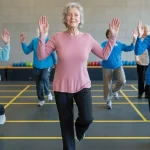
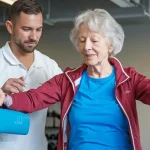
Falling is one of the biggest concerns for older adults, but the gentle movements of tai chi for fall prevention can make a real difference. This mindful practice improves balance, strengthens muscles, and enhances focus, all of which help reduce the risk of dangerous falls.
It can feel discouraging to worry about tripping or losing stability during daily activities. The good news is that tai chi doesn’t require special equipment, and it can be adapted for almost any ability level.
With steady practice, it becomes more than exercise, it’s a tool for building confidence and independence.
Quick Rundown
- Tai chi strengthens core and leg muscles to support steady movement
- Gentle, flowing motions improve balance and coordination
- Regular practice sharpens focus and body awareness, lowering fall risk
- Accessible for beginners, even those with limited mobility
After years of working as an Occupational Therapist, I can honestly say that combining Tai Chi exercises with physical therapy exercises is an amazing combination that should really help with your balance issues.
Let’s look closer at how tai chi works, why it’s so effective for fall prevention, and the simple steps to get started.

Tai Chi Helped My Friends
A friend of mine and her husband, both in their late 70s, noticed they were starting to have problems with their balance and stability. On their daughter’s recommendation, they decided to try Tai Chi classes as part of their fall prevention strategy.
The first class was challenging. Tom struggled with equilibrium, while Margaret found it hard to remember the sequence of gentle movements. But something about the flowing motions and the encouraging atmosphere kept them coming back.
Weeks turned into months. Gradually, they noticed changes. Tom’s balance improved, and he no longer needed his cane for short walks. Margaret found her joints were less stiff, and she could move with more confidence.
The benefits extended beyond physical improvements. The mental focus required for Tai Chi sharpened their cognitive function. They made new friends in the class, broadening their social circle.
Most importantly, they regained their sense of control over their bodies and lives, truly aging gracefully.
The Science Behind Tai Chi’s Fall-Fighting Power
Now, I know what you’re thinking. “Sure, it sounds nice, but would it work for me?” Well, hold onto your hats, because the fall statistics are pretty impressive:
- A 2005 study found that a 6-month Tai Chi program reduced falls by a whopping 38% compared to a control group.
- Fast forward to 2018, and researchers discovered Tai Chi was 58% more effective at reducing falls than stretching exercises, and 31% better than other types of exercise.
- In 2023, a big review of lots of studies confirmed that Tai Chi significantly improves balance in older adults.
That’s some serious fall-fighting power, folks!
How Tai Chi Works Its Magic
So, what’s the secret sauce? Well, Tai Chi isn’t just about waving your arms around (though it might look that way to the untrained eye).
Here’s what it’s really doing:
- Improving Balance and Stability: Those slow, controlled movements are like a workout for your balance system and core strength. If you’re looking for additional ways to improve your balance, check out our guide to balance exercises for seniors.
- Strengthening Muscles: Don’t be fooled by how gentle it looks – Tai Chi gives your legs, core, and upper body a real workout, improving muscle tone. For more on how strength training can help reduce fall risks, read our article on strength training for fall prevention.
- Boosting Body Awareness and Proprioception: It teaches you to be more aware of where your body is in space, which is super helpful for avoiding trips and falls.
- Enhancing Cardiovascular Health: Tai Chi can improve your overall stamina and endurance.
- Sharpening Cognitive Function: Believe it or not, Tai Chi can help keep your mind sharp too!
- Improving Flexibility and Joint Health: The gentle movements help lubricate your joints and increase your range of motion.
- Promoting Mindfulness and Stress Reduction: Tai Chi isn’t just physical – it’s a form of moving meditation that can help calm your mind.
Tai Chi Programs for Fall Prevention
Now, you might be wondering if there’s a specific Tai Chi program designed for fall prevention. Well, you’re in luck!
There’s a program called “Tai Chi for Arthritis and Fall Prevention” developed by Dr. Paul Lam. It’s been shown to reduce recurring falls by nearly 70%! How’s that for impressive?

Getting Started with Tai Chi
Okay, so you’re probably asking yourself, “Sounds great, but how do I start?” Don’t worry, I’ve got you covered:
- Find a Class: Look for Tai Chi classes specifically for seniors in your area. Many senior community centers offer them.
- Start Slow: Rome wasn’t built in a day, and neither is Tai Chi mastery. Take it easy and build up gradually.
- Be Consistent: Aim for at least 2-3 sessions a week, each lasting about 45-60 minutes. Remember, practice makes perfect!
- Be Patient: Tai Chi is a journey, not a destination. Enjoy the process!
If you’re not quite ready for a full Tai Chi class, you might want to start with some simple fall prevention exercises you can do at home.
Tai Chi for Different Groups of Older Adults
Now, you might be wondering, “Is Tai Chi right for me if I’m already at high risk of falling?” Good news!
Research shows that Tai Chi is effective for both healthy older adults and those at high risk of falling. Even if you’re a bit frail, there are modified versions of Tai Chi that can help you improve your balance and reduce your fall risk.
It’s always a good idea to consult with your geriatric care provider or a physical therapist before starting any new exercise program.
Making Tai Chi Part of Your Fall Prevention Strategy
As much as I love Tai Chi (and I really do), it’s not a magic bullet. For the best results, you’ll want to combine it with other fall prevention strategies:
- Home Safety: Clear those tripping hazards and install grab bars where needed.
- Regular Check-ups: Keep up with your doctor and eye appointments for vision care.
- Medication Management: Some meds can affect balance, so chat with your doc about yours.
- Proper Footwear: Wear shoes that provide good support and traction.
- Assistive Devices: Don’t hesitate to use a cane or walker if recommended by your healthcare provider.
Remember, it’s never too late to start improving your balance and reducing your fall risk.
Tai Chi offers a gentle, effective way to boost your physical capabilities and your confidence. So why not give it a try? Your future self might just thank you for it!
And hey, if you’re caring for an older adult, why not suggest trying Tai Chi together? It could be a great bonding experience, and you’ll both reap the benefits. After all, we’re all in this aging thing together!
Ready to Take the Next Step?
Now that you’ve learned about the amazing benefits of Tai Chi for fall prevention, it’s time to take action:
- Sign Up for a Class: Contact your local senior center or community center to find Tai Chi classes designed specifically for seniors or fall prevention. Taking that first step could be the beginning of a transformative journey!
- Consult a Professional: Schedule an appointment with your healthcare provider or an occupational therapist to discuss how Tai Chi can fit into your personal fall prevention strategy. They can provide tailored advice based on your individual needs and health conditions.
- Spread the Word: Know someone who could benefit from Tai Chi? Share this article with them! You might just be giving them the gift of better balance and increased confidence.
- Stay Informed: Want more tips on fall prevention and senior safety? Join our email list! We’ll keep you updated with the latest information and resources to help you stay safe and active.
- Get Started at Home: Download our free guide on “Getting Started with Tai Chi for Fall Prevention” to learn some basic moves you can practice in the comfort of your own home.
Remember, every journey begins with a single step. By taking action today, you’re investing in a safer, more balanced tomorrow.
So why wait? Your journey to better balance and improved mobility starts now!