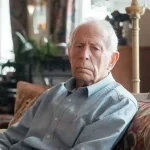
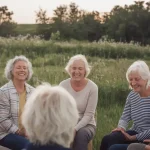
Anxiety and aging – two words that carry a lot of weight individually but combined, they can be a significant source of concern.
Understanding the intricacies of anxiety as it relates to the aging process is crucial in addressing this often overlooked aspect of mental health.
Key Takeaways
- Anxiety is a common but often undiagnosed issue in older adults.
- Various types of anxiety disorders affect this demographic differently than younger people.
- Recognizing the signs and seeking appropriate treatment can significantly improve quality of life.
Anxiety is a natural part of the human experience, affecting people of all ages.
My mother suffered for years with anxiety. She denied it, her doctors mis-diagnosed it and it made the last 15 years of her life miserable.
The truth is, anxiety is a normal reaction to stress, helping us handle problems and avoid danger. However, when anxiety becomes overwhelming, it can severely impact daily life.
This is particularly true, who often face unique challenges that can exacerbate feelings of anxiety.
In older adults, as many as 10-20% may suffer from anxiety disorders, but these conditions frequently go undiagnosed.
General practitioners are often not educated in identifying the signs of anxiety and let’s face it, there is a level of ageism in the medical field.
As a result, older adults may be less likely to receive appropriate treatment, leading to unnecessary suffering and decreased quality of life.
Types Of Anxiety Disorders And Their Impact On Aging
Anxiety disorders can manifest differently in older adults than in younger individuals.
For example, while panic disorder is more common among younger people, generalized anxiety disorder (GAD) is more prevalent in older adults.
This may be due to increased health concerns, loss of independence, and other age-related stressors.
Post-traumatic stress disorder (PTSD) can also affect older adults, often as a result of past trauma resurfacing or new traumas such as illness or the death of a loved one.
Furthermore, anxiety disorders can have a significant impact on physical health in older adults, leading to increased risk of cardiovascular issues and cognitive decline.
This can create a vicious cycle as anxiety symptoms can be mistaken for signs of aging or other medical conditions.
Types of Anxiety Disorders in Older Adults
Anxiety in the elderly can manifest in various forms, each with its own set of challenges:
- Specific Phobias: Intense, irrational fears of specific objects or situations. For older adults, these can include fear of death or medical procedures.
- Social Phobia (Social Anxiety Disorder): Overwhelming anxiety in social situations, often driven by fear of judgment or embarrassment.
- Generalized Anxiety Disorder (GAD): Persistent, excessive worry about everyday life, leading to physical symptoms like fatigue and muscle tension.
- Post-Traumatic Stress Disorder (PTSD): Anxiety resulting from past traumatic events, which can resurface later in life, particularly when triggered by new stresses.
- Panic Disorder: Characterized by sudden, repeated episodes of intense fear, often with physical symptoms like chest pain and dizziness.
Be aware that a minority of older adults have to deal with issues such as anxiety – it’s not a given that just because you’re growing older – you’ll develop anxiety!
Causes and Risk Factors
The onset of anxiety in older adults can be attributed to a combination of factors:
- Chronic illnesses such as cardiovascular disease and diabetes can heighten anxiety.
- Psychological and emotional factors, including a history of trauma or chronic stress.
- Environmental and lifestyle factors, like social isolation or major life changes (e.g., retirement).
Impact of Unaddressed Anxiety
When left untreated, anxiety can severely impact the physical and emotional well-being of older adults.
It can lead to cognitive impairment, decreased functioning in daily life, and a poorer quality of life. Understanding this impact is crucial for encouraging timely and effective intervention.
Managing Anxiety In The Aging Process
As with any mental health concern, seeking professional help is crucial in managing anxiety in the aging process.
Talk therapy and medication can be effective in reducing symptoms and improving overall well-being.
Additionally, there are various self-care strategies that older adults can incorporate into their daily lives to manage anxiety:
- Stay physically active: Exercise has been proven to reduce symptoms of anxiety by releasing endorphins, the body’s natural painkillers.
- Practice relaxation techniques: Activities like yoga, meditation, and deep breathing can help ease anxiety symptoms.
- Stay social: Maintaining connections with friends and loved ones can provide a strong support system for managing anxiety.
- Maintain a healthy diet: Ensuring proper nutrition can play a crucial role in managing anxiety. Avoiding caffeine, alcohol, and fatty or sugary foods may also help reduce symptoms.
Breaking The Stigma And Promoting Better Mental Health In The Aging Process
Despite its prevalence, there is still a stigma surrounding mental health issues in older adults.
This can prevent individuals from seeking help and receiving proper treatment.
It is crucial to break this stigma and promote better mental health in the aging process by:
- Increasing awareness of anxiety disorders in older adults and educating healthcare providers on how to properly identify and treat them.
- Encouraging open conversations about mental health and challenging negative stereotypes associated with aging.
- Providing access to affordable mental health services for older adults, specifically tailored to their needs.
By taking these steps, we can work towards a society where older adults feel comfortable seeking help for their anxiety and living their lives to the fullest.
So, let’s break the silence and start talking about mental health in the aging process!