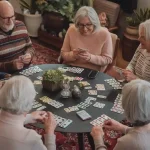
Looking for a fun and stimulating activity for your loved one with dementia? Look no further than board games! While many older people may not immediately think of board games as an activity for seniors, they can actually offer numerous benefits to those living with some form of dementia.
In this article, we’ll explore the best board games for seniors with dementia or Alzheimer’s disease and offer tips for caregivers to make the game time enjoyable and engaging.
One of the best board game activities for older adults with dementia or Alzheimer’s is a classic board game like Checkers, Scrabble, or Yahtzee. Playing these familiar games can allow your loved one to reminisce about childhood memories and give them a sense of purpose.
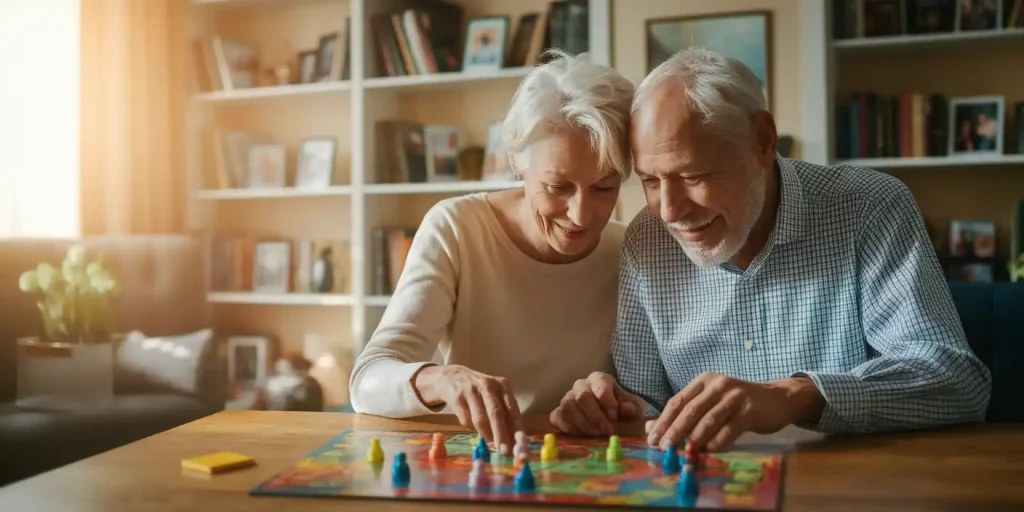
It’s also a great way to strengthen communication skills and encourage strategic thinking.
While long-term research is still needed to determine whether specific games can play a role in keeping the brain healthy — and how or if timing is a factor — preliminary studies appear to show a link between game playing and lower risk or delay of at least one type of age-related memory loss.
everydayhealth.com
Whether you’re a family member or professional caregiver, keep reading to learn how a fun game can enhance cognitive abilities, encourage social interaction, and improve mood in those with dementia.
I truly believe that good games are akin to brain food which is essential for our cognitive health.
The Benefits Of Board Games For People With Dementia
Board games can provide a great way to help people with dementia stay socially active and engaged. Not only do they bring fun into the lives of those living with dementia, but they also offer many health benefits.
Research has shown that playing board games can help reduce stress levels, improve mood, and even mildly boost cognitive functioning in people with dementia.
You want solid proof that board games can do wonders for your brain? A major French study published in BMJ Open has you covered.
They tracked older adults over time and found that folks who regularly played board games were significantly less likely to face cognitive decline. On top of that, they also had a lower risk of developing dementia.
But it’s not just about boosting brainpower, this study showed that playing board games correlated with fewer symptoms of depression, which makes a pretty strong case for how fun and games can actually lift your mood.
Although there is no evidence to show that they can prevent cognitive decline, board games can help to improve brain function and stimulate the mind and encourage people to use their problem-solving skills. This can help reduce feelings of boredom, loneliness and isolation.
Board games can help make communication easier, as they provide a framework for meaningful conversations to take place.
Playing board games with family members or other carers can also promote bonding and social interaction, which is important in helping people with dementia feel more connected to the world around them.
Board games can also be beneficial to physical well-being; they help to improve fine motor skills and hand-eye coordination, as well as stimulate movement. This can help people with dementia remain physically active and alert.
Studies have also revealed that playing board games can help reduce disruptive behaviors in people with dementia, such as aggression or confusion. This is due to the fact that board games provide a structure and a sense of familiarity.
Board games have even been shown to improve memory, as they can boost the ability to remember names, words, and numbers.
This is because board games require you to use strategic thinking and practice problem-solving skills — all of which can help people with dementia retain information for longer periods of time.
Finally, playing board games can help to create meaningful connections and provide an enjoyable activity for people with dementia and their caregivers.
As board games often require players to interact with one another, they can foster positive relationships among those involved. Playing a game together also provides a chance for people with dementia to relax and share stories, which can be a great source of comfort.
Overall, board games are a great way to help people with dementia stay active and engaged both mentally and socially.
Playing board games can provide challenges that help keep the mind sharp and create meaningful connections among family members and friends. So why not give it a try?
What To Consider When Choosing Board Games For Seniors With Dementia
When selecting board games for seniors with dementia, there are several factors to consider to ensure the activity is enjoyable and engaging for them.
Here are some things to keep in mind:
- Level of difficulty: Choose games with simple rules and easy-to-understand gameplay that won’t be frustrating or overwhelming.
- Size and design of game components: Opt for games with larger pieces, bright colors, and high contrast to help with visibility and recognition.
- Theme and familiarity: Consider games that your senior loved one has been playing for a long time. It’s no guarantee that they can continue this game (you may have to modify the rules) but familiarity may help them feel more comfortable.
- Accessibility and safety: Choose games that are easy to set up and play, and that don’t pose a safety risk to the senior. Avoid games with small pieces that could be a choking hazard or games that require complex setups.
By taking these factors into account, you can choose board games that are appropriate and enjoyable for seniors with dementia, and help enhance their quality of life.
The Best Board Games For Dementia Patients
There are many board games that are suitable and enjoyable for dementia patients.
The best games for seniors with dementia are those that the patient is still capable of doing. The right board games should be tailored to the individual’s abilities and limitations, as this can help provide an enjoyable, stimulating experience for the patient.
Here are some top board games for dementia patients:
Bingo
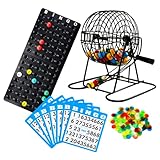
- Quick Setup: This Bingo set is easy to set up, getting you ready for an exciting game in minutes. It includes an 8” steel rotary bingo cage, colorful bingo chips, 18 large bingo cards, 75 bingo balls, a master board, and instructions.
This classic simple game is easy to understand, promotes social interaction, and can help improve cognitive abilities. It’s just a fun activity that can be played with just two people or with a group.
The anticipation and excitement of waiting for the next number to be called can create a sense of joy and fun for individuals with dementia. It’s important to modify the game as needed, such as using larger bingo cards with larger numbers, to ensure that individuals with dementia can fully participate and enjoy the game.
Additionally, it can be helpful to provide additional support or guidance during play, such as reading out the numbers or helping to mark the bingo cards. Overall, bingo can be a fun and rewarding activity for seniors with dementia, providing an opportunity for socialization and enjoyment.
Dominoes

- [Toys games for family]: Dominoes set for adults, for Families and Kids Ages 9 and up, valentines day gifts for him, includes 55 dominoes tiles classic black dotted ivory color dominos set with brown wood case. Double 9 dominoes set is numbered on a standard system, marked blank or with 1-9 recessed dots on both ends as is typical in a classic dominos game
A simple yet engaging game that provides cognitive stimulation in the form of problem-solving, strategy, and counting.
Dominoes can be a beneficial game for seniors with dementia, as it can help to improve cognitive function, including attention, memory, and concentration.
It’s important to modify the game as needed, such as using larger dominoes with larger numbers or symbols to make them easier to read and handle. It may be necessary to provide additional support or guidance during play, such as helping to set up the dominoes or reminding individuals of the rules of the game.
Jigsaw Puzzles
No products found.
Okay, so not exactly a board game but it’s an excellent activity for visual and tactile stimulation, and can help with memory, concentration, and hand-eye coordination.
Overall, jigsaw puzzles can be a fun and engaging activity for seniors with dementia, as long as it is tailored to their individual needs and abilities.
Scrabble
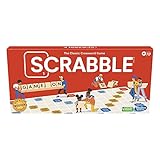
- CLASSIC CROSSWORD GAME: Get family and friends together for a fun game night with the Scrabble board game! Put letters together, build words, and earn the most points to win

Traditional board games like Scrabble can be customized to suit the skill level of the player and helps with vocabulary, spelling, and memory.
Scrabble can be a challenging but rewarding game for seniors with dementia, as it can help to improve cognitive function, including language skills, memory, and concentration.
Again, it’s important to modify the game as needed, such as using larger tiles with larger letters or symbols to make them easier to read and handle.
Yahtzee
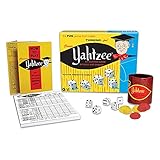
- ALL-TIME FAMILY FAVORITE: Classic Yahtzee is the best-selling and most famous dice game of all-time. Families and friends have been enjoying this American icon since the fabulous 50’s
This classic dice game is a good option for seniors with dementia. It’s a great way to stimulate the mind, and can help with math skills, hand-eye coordination, and concentration.
You may certainly have to modify the game, bend the rules and /or adjust the number of dice used – but your senior will likely still enjoy it.
Before playing, make sure to explain the rules and objectives of Yahtzee to your loved one. Show them how they can roll the dice and use a scorecard to track their progress. As they play, consider providing verbal prompts or reminders if needed.
Checkers

- 2-IN-1 FAMILY FUN: Why settle for one game? This set features a classic Checkers board on one side and a bonus Tic-Tac-Toe grid on the reverse. It is the perfect centerpiece for family game nights, playdates, or rainy weekend activities.
Checkers can be a great game for seniors with dementia, as it is relatively simple and easy to learn. The game can help to improve cognitive function, including memory, attention, and problem-solving skills.
Keep in mind that individuals with dementia may have difficulty remembering the rules of the game or may become frustrated if they are unable to remember how to play.
It may be necessary to modify the game or provide additional guidance or support during play to ensure that the individual can fully participate and enjoy the game.
Tic Tac Toe

- Games for Dementia Patients: The best activities for dementia patients encourage elderly people to play & interact with family members or friends. By simplifying the process, dementia products for elderly can empower your loved ones to play. Memory games for seniors with dementia to play alone or together are the best activity kits for dementia patients! The objective of these activities for seniors to keep busy is to bring more excitement to a Wooden Tic Tac Toe Game, for senior, adult players. One of the best gifts for dementia patients, it provides an enjoyable experience.
Most everyone has played Tic Tac Toe at some point in their lifetime. So, it’s a familiar and very simple game that can be perfect for seniors with some form of cognitive decline.
I recommend to use larger and simpler game boards with bigger X’s and O’s, as well as providing clear instructions for gameplay.
Beat The Box

- A Classic with a Modern Twist: Bring a piece of history to your game room with our Shut the Box Game 12 Numbers wooden board game! First enjoyed in the 18th century by Normandy’s sailors and fishermen, this classic dice game continues to bring friends and family together for endless fun.
Beat-the-Box is a favorite game for many older adults. It can help to sharpen basic math skills. It is described as an easy-to-learn game that can be played with 2-4 players or alone.
It may help to improve concentration and focus, and the luck of the dice keeps seniors entertained for long periods of time.
The game is played by rolling dice into the center section of the box and flipping down the numbers corresponding to the total number of the dice. The objective is to obtain the lowest score and beat the box by flipping down all the numbers.
Simple Card Games

- Exciting Fishing Adventure: Dive into the fun with the University Games Go Fish Card Game! Perfect for kids and families, this game provides hours of entertainment and laughter.
Games such as rummy and snap can help improve hand-eye coordination, while games such as Go Fish can help with counting and memory.
By incorporating these different games into a dementia patient’s daily routine, caregivers can promote socialization, cognitive abilities, and overall well-being.
Tips For Playing Board Games With Dementia Patients
Board games can provide a fun and engaging activity for people with dementia and their caregivers.
Here are some tips to help create enjoyable, positive experiences when playing board games with dementia patients:
Choose The Right Game
Look for simple, straightforward ones that don’t require too much complex thinking or logic. Board games like memory games and matching games are particularly good choices for people with dementia.
Set The Scene
Create a comfortable, inviting atmosphere where everyone can relax and have fun. Make sure there’s plenty of light and make sure the room isn’t too noisy or distracting.
Take Your Time
Don’t rush the game or pressure your loved one to do something they are uncomfortable with. Give them plenty of time and be patient with their responses.
Be Encouraging
Instead of pointing out errors or mistakes, use positive reinforcement and kind words to encourage them throughout the game.
Keep It Light
Make sure everyone is having fun and don’t take the game too seriously.
Adapt The Rules
If necessary, make adjustments to the rules of the game so that your loved one can still enjoy playing without feeling overwhelmed or confused. This is especially true depending on whether your loved one is in the early stages of dementia or any of the later stages.
Invite Others To Join In
Rather than just playing with your loved one, invite other family members, friends, or carers to join in and help your loved one. This could help them feel more comfortable and less isolated.
Reward Progress
Give your loved one small reward for completing the game successfully, such as a hug or a favorite treat, to show them how proud you are of their accomplishment.
Playing board games with your loved one with dementia can be incredibly rewarding and enriching for both of you. It’s a great way to spend quality time together, boost their confidence and self-esteem, and keep them engaged in something fun and meaningful.
So why not give it a go? You never know what surprises might unfold!
Using board games with people who have dementia is a great way to stimulate their brains, help them stay socially connected, and provide meaningful activities. It can also improve their concentration, memory recall, and problem-solving skills.
Plus, it could help them feel more comfortable and less isolated. So why not find some of your loved one’s favorite games or try something new?