Yes, essential oils can be safe for elderly adults when used carefully, and aromatherapy may offer real benefits like better sleep, calmer moods, improved memory, and even gentle support for blood pressure. The key is knowing the right oils, the safest methods, and the risks to avoid.
I’ve seen many families try aromatherapy as a natural way to help a loved one. Some found it soothing, while others ran into problems because they didn’t know about phototoxic risks, medication interactions, or fragrance sensitivity.
This guide will help you understand the facts so you can make safe choices.
Quick Rundown: Are Essential Oils Safe for Elderly? Aromatherapy Benefits at a Glance
- Improves Sleep: Lavender aromatherapy used for short courses (2–4 weeks) helps seniors sleep better, especially through massage or patches.
- Supports Memory: Nightly olfactory enrichment with rotating scents for 2 hours has been shown to improve memory and strengthen brain pathways.
- Calms Agitation: Lemon balm or lavender may reduce agitation in dementia care when guided by caregivers.
- Protects Safety: Wintergreen and birch oils increase bleeding risk with blood thinners, while citrus oils like bergamot can cause burns in sunlight.
- Avoid Oral Use: Ingesting oils like tea tree or eucalyptus can cause toxicity and should always be avoided.
- Safer Diffusion: Passive or intermittent diffusion methods reduce headaches and scent sensitivity in seniors.
Now let’s explore the benefits, safety guidelines, and practical ways to use aromatherapy for older adults.
Why Do Seniors and Caregivers Ask If Essential Oils Are Safe?
Seniors are more sensitive to scents, medications, and skin products, which makes caregivers cautious. The first question is always whether aromatherapy is safe for elderly adults.
I once spoke with a daughter who wanted to use lavender patches to help her 82-year-old mom sleep. Her biggest worry was whether lavender oil would interfere with heart medicine. This shows why clear, research-based guidance is important.
❓ Can essential oils replace prescription medications for seniors?
💬 No, essential oils cannot replace prescribed medications. They may support sleep, comfort, or mood, but they should only be used as complementary care. Always check with a healthcare provider before making changes to prescriptions.
What Are the Real Benefits of Aromatherapy for Seniors?
Research shows that aromatherapy offers practical benefits when used properly and in safe doses.
- Better Sleep: Lavender improves sleep quality in older adults when used for up to four weeks through massage, patches, or intermittent diffusion.
- Memory Support: A nightly scent enrichment program, where one scent is diffused for two hours at bedtime and rotated weekly, boosted memory and strengthened the olfactory-limbic pathway in seniors.
- Dementia Care: Lavender and lemon balm may ease behavioral symptoms of dementia, known as BPSD, such as agitation and restlessness. Home-based caregiver programs show promise.
- Blood Pressure & Stress: Lavender massage or inhalation has been shown to lower systolic and diastolic blood pressure in some seniors.
- Other Uses: Ginger and rosemary are sometimes used for mild discomfort, joint stiffness, or appetite support, though evidence here is limited.
I remember one older gentleman at a senior center who looked forward to a lavender hand massage during activities. He told me he felt calmer for the rest of the evening. That small step gave him peace of mind.
❓ Are essential oils safe to use around seniors with pets in the home?
💬 Some oils, like tea tree, eucalyptus, and citrus, are toxic to cats and dogs. If pets live in the home, stick to safer oils like lavender and use passive diffusion instead of heavy room diffusers.
Are There Times When Aromatherapy Does Not Work Well?
Yes, results can be inconsistent. Lavender may calm anxiety before surgery but not always change vital signs. Dementia-related agitation may improve in some people but not in others. Long-term daily use can also cause sensitization or reduced effect.
The best approach is to treat aromatherapy as adjunct care, not a cure. It works best when paired with routines like good sleep hygiene and calm caregiving environments.
How Does Aromatherapy Work in the Brain?
Essential oils stimulate the olfactory system, which connects directly to the limbic system, the part of the brain that manages memory, mood, and emotion.
This is why certain scents like lavender help promote relaxation, and why olfactory enrichment has shown memory improvement in clinical trials.
Novelty also matters. Studies show rotating scents each week keeps the brain engaged, helping memory and preventing adaptation.
What Safety Concerns Should Caregivers Know About Essential Oils?
The biggest risks for seniors include ingestion, drug interactions, skin reactions, fragrance sensitivity, and respiratory problems.
- Never Ingest Oils: Tea tree or eucalyptus oil can cause central nervous system depression and lung injury if swallowed.
- Drug Interactions: Wintergreen (methyl salicylate) and birch thin the blood, increasing bleeding risk with warfarin or other anticoagulants. Blue tansy and chamomile may affect drug-metabolizing enzymes.
- Phototoxic Oils: Bergamot, lime, and other citrus oils can cause burns on sun-exposed skin. IFRA guidelines limit bergamot to 0.4% in leave-on products. Seniors should avoid sunlight for 12–24 hours after using phototoxic oils.
- Skin Sensitivity: Aging skin is thinner and drier, making it prone to rashes. Always use a low dilution (0.5–1%) and patch test.
- Respiratory Concerns: Avoid diffused eucalyptus oil in seniors with COPD or asthma. A doctor may suggest purified eucalyptol capsules instead.
- Fragrance Sensitivity: In shared living spaces, use personal inhalers or diffuser jewelry instead of room-wide diffusion.
❓ What should I do if a senior has a skin reaction to essential oils?
💬 Wash the area with mild soap and a carrier oil, not just water, since oils dilute better with oil. Stop using that essential oil immediately, and if the reaction is severe or does not improve, seek medical help.
Which Essential Oils Should Seniors Avoid?
Certain oils pose higher risks for elderly adults:
- Wintergreen and Birch: Increase bleeding risk with anticoagulants.
- Blue Tansy and Chamomile: Can interfere with drug metabolism.
- Bergamot, Lemon, Lime: Phototoxic oils that can burn skin in sunlight.
- Camphor and Sage: Linked to seizures when misused.
Stick with safer, well-researched oils such as lavender, lemon balm, and rosemary.
How Can Essential Oils Be Used Safely With Seniors?
Safe use depends on the right oils, proper dose, and correct delivery.
- Sleep Support: Lavender patches, pillow sprays, or massage oils for up to four weeks.
- Memory Programs: One scent per night for two hours, rotated weekly.
- Dementia Agitation: Caregiver-guided aromatherapy, tailored to the individual.
- Stress & Blood Pressure: Lavender massage or intermittent inhalation, with blood pressure monitoring.
- Pain & Appetite: Gentle use of ginger or rosemary under supervision.
Practical Tips for Caregivers:
- Always patch test before use.
- Use half of standard adult dilution (0.5%), about one drop per 2 teaspoons of carrier oil.
- Choose carrier oils like jojoba or sweet almond to moisturize aging skin.
- Reassess after 2–4 weeks instead of using continuously.
- Buy from trusted companies that provide a GC–MS report or certificate of analysis.
❓ How do I know if an essential oil is high quality and safe to buy?
💬 Look for oils sold in dark glass bottles with batch-specific GC–MS testing. Avoid oils that are cheap, unlabeled, or stored in plastic containers. Quality matters more than quantity.
What Are Safer Diffusion Options?
Constant room diffusion can overwhelm seniors. Safer alternatives include:
- Passive Diffusion: Reed diffusers, cotton balls, or diffuser jewelry.
- Intermittent Diffusion: Devices that cycle on and off, such as 30 seconds on, 30 seconds off.
- Personal Inhalers: Small portable inhalers for discreet use at bedtime or on the go.
❓ What is the safest way to store essential oils in a senior’s home?
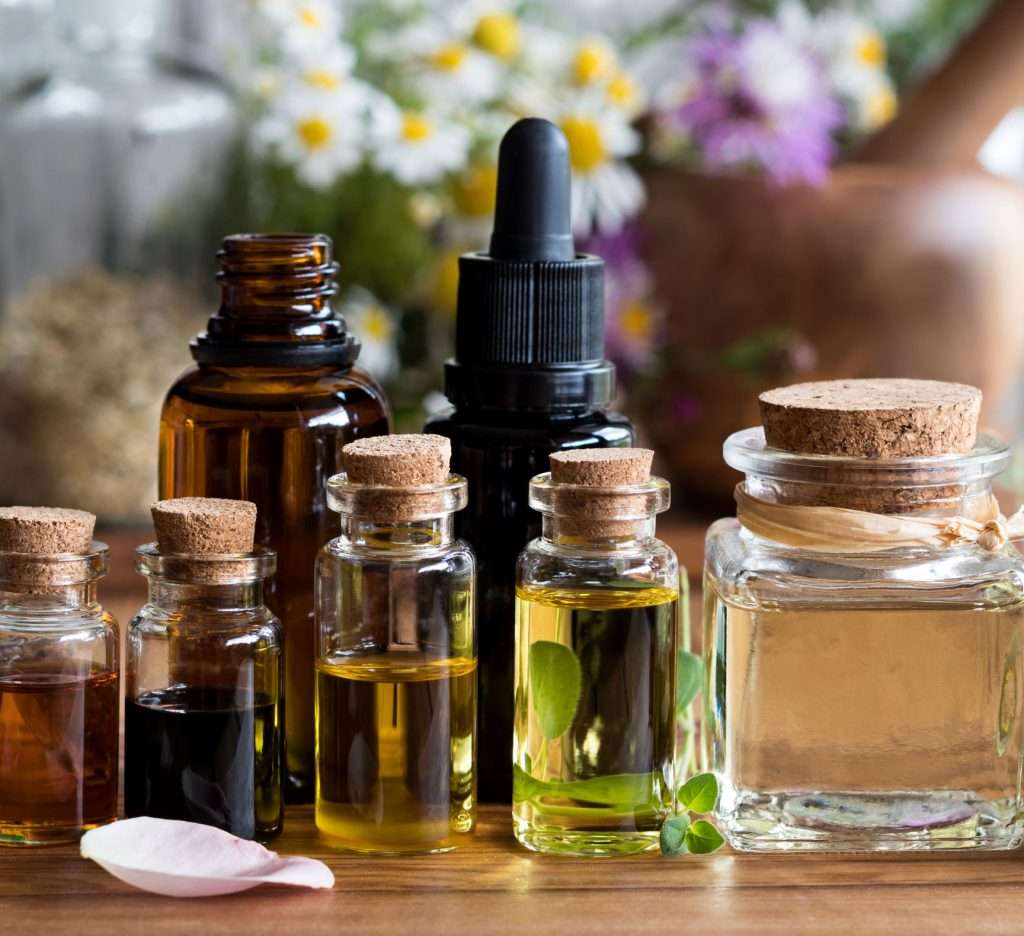
💬 Store oils in dark glass bottles with tight caps, in a cool and dry place. Keep them locked away or out of reach, especially if the senior has memory loss or dementia, to prevent accidental ingestion.
Final Thoughts: Should You Try Aromatherapy With Seniors?
Yes, aromatherapy can be a safe and gentle support for seniors when used with care. It works best as a complementary practice, not as a cure or replacement for treatment.
Start small, use only high-quality oils, and pay close attention to each person’s reaction. Always check with a healthcare provider if your loved one takes prescription medications.
Used wisely, aromatherapy can bring comfort, calm, and even joy to daily life.