Using a walker can make a huge difference in safety and independence, but only if it’s set up correctly. A walker that’s too tall, too short, or not adjusted to the user’s needs can actually cause pain, poor posture, and even increase the risk of falls.
If you’re helping a loved one, you may feel nervous about whether you’re doing it right.
The good news is, fitting a walker doesn’t have to be complicated. With just a few simple steps, you can make sure it’s comfortable, supportive, and safe to use every day.
Quick Rundown: How to Fit a Walker for Seniors Safely
- Correct Height: Handles should align with the wrist crease when standing upright in shoes.
- Elbow Angle: A slight 15° bend in the elbows ensures comfort and control.
- Posture Check: The senior should stand tall without hunching or tiptoeing.
- Even Adjustment: All four walker legs must be level for stability on flat ground.
- Regular Maintenance: Inspect grips, wheels, tips, and brakes to prevent accidents.
With these basics in place, let’s go step by step through how to fit a walker for seniors, so it supports comfort, confidence, and safe mobility.

Why Proper Walker Fit Matters
A walker is more than a mobility aid – it’s a key to maintaining freedom, balance, and confidence. An ill-fitted walker can cause discomfort, poor posture, or even lead to falls. For instance:
- A walker set too low may cause hunching, leading to back or neck pain.
- A walker set too high may force the senior to overreach, increasing the risk of instability.
A well-fitted walker ensures proper posture, reduces strain on the body, and improves safety during everyday activities. (source: OasisSpace.com)
Types of Walkers
Before fitting a walker, it’s important to choose the right type. Here are the most common options:
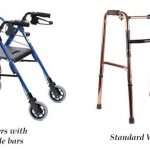
- Standard Walker:
- Features a basic frame with rubber tips on all four legs.
- Provides maximum stability for those who can lift the walker to move it forward.
- Two-Wheel Walker:
- Comes with wheels on the front legs and rubber tips on the back.
- Easier to push than a standard walker and suitable for moderate stability needs.
- Four-Wheel Walker (Rollator):
- Equipped with four wheels, hand brakes, and often a seat.
- Ideal for those who need support but prefer a faster pace or the option to rest.
Selecting the right walker depends on the senior’s mobility level, balance, and physical strength.
Steps to Fit a Walker
Fitting a walker correctly involves four simple steps:
- Measure the Correct Height:
- Have the senior stand upright while wearing their usual shoes.
- Let their arms hang naturally at their sides.
- Measure the distance from the floor to the crease of their wrists. This measurement is where the walker handles should be set.
- Adjust the Walker Handles:
- Align the handles with the wrist crease measurement.
- When gripping the handles, the senior’s elbows should bend slightly (around 15 degrees) for a comfortable grip.
- Check Posture While Using the Walker:
- The senior should stand tall with relaxed shoulders.
- Their back should remain straight, and they shouldn’t need to hunch or lean forward to reach the handles.
- Ensure Stability:
- Confirm all four legs of the walker are evenly adjusted and rest flat on the floor.
- Test the walker on a level surface to ensure stability.
Common Mistakes to Avoid
Here are some errors to watch for when fitting a walker:
- Incorrect Height Settings: Handles that are too high or low can lead to posture issues.
- Uneven Walker Legs: All legs must be adjusted evenly for proper stability.
- Ignoring Hand Grip Comfort: Ensure the grips are easy to hold and do not cause irritation.
- Overlooking Terrain Needs: Choose the appropriate walker for indoor vs. outdoor use.
Maintenance Tips for Walkers
Regular upkeep is essential for maintaining safety and functionality:
- Inspect for Wear and Tear: Check rubber tips, wheels, and grips regularly for damage.
- Tighten Loose Screws: Ensure all parts are secure to prevent instability.
- Clean the Walker: Wipe down the frame and handles to keep it hygienic.
- Replace Worn Parts: Swap out worn tips, glide caps, or wheels as needed.
- Test Brakes (for Rollators): Confirm that the brakes engage properly and are easy to use.
Tips for Safe Walker Use
Once the walker is fitted and maintained, it’s important to follow these safety guidelines:
- Maintain Good Posture: Encourage the senior to stand tall and avoid leaning forward or backward.
- Clear Pathways: Remove clutter, rugs, or other tripping hazards in the home.
- Step Inside the Frame: The senior should always walk within the walker’s frame, not behind or in front of it.
- Navigate Cautiously Outdoors: Choose walkers with appropriate wheels for outdoor terrain.
When to Seek Professional Help
If you’re unsure about fitting a walker or have concerns about your loved one’s specific needs, consider consulting a healthcare professional, such as an Occupational or Physical Therapist.
These professionals specialize in mobility assessments and can recommend adjustments or additional features like padded grips, larger wheels, or walker baskets to improve functionality.
Final Thoughts
Fitting a walker for a senior doesn’t have to be complicated, but it does require care and attention to detail. A properly fitted walker can make all the difference in improving mobility and ensuring safety.
By following this guide, you’re taking an important step to help your loved one maintain their independence and quality of life.
If you have questions or need personalized advice, don’t hesitate to reach out to a professional. Remember, a little effort now can lead to a lifetime of safer, more comfortable mobility.