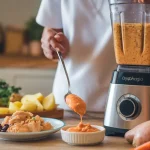
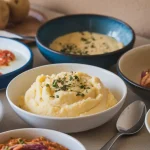
Eating should be both safe and enjoyable, but for many older adults with swallowing or dental problems, regular meals can be difficult. Learning how to puree food for the elderly helps make mealtimes easier, ensuring meals are smooth, safe to swallow, and still full of flavor and nutrition.
The struggle is that many caregivers worry puréed food will look unappetizing or lose its taste. The uplifting news is that with the right techniques, like adding seasonings, using molds, and balancing texture, you can prepare meals that are not only safe but also appealing and dignified.
Quick Rundown: Preparing Nutritious Pureed Meals for Seniors
- Why It’s Needed: Dysphagia, stroke, or dental issues often make regular foods unsafe; pureeing reduces choking and aspiration risks.
- Essential Tools: Blender, immersion blender, sieves, and airtight containers keep meals smooth and safe.
- Step-by-Step Method: Cook foods until soft, cut into small pieces, blend with liquid, and test with the spoon test for consistency.
- Nutrition Boosts: Add protein powder, milk, or nut butters; balance proteins, veggies, and healthy fats.
- Make It Appealing: Use molds, garnishes, and natural seasonings so meals look and taste enjoyable.
- Sample Ideas: Smoothies, pureed soups, mashed potatoes with chicken, and applesauce with cinnamon keep variety alive.
Let’s talk a little about why pureed foods are important and then get into some tips on how to create your own, nutritious pureed meals.

Why Pureed Foods Are Important
Certain medical conditions like dysphagia, stroke, or dental problems can make eating regular foods unsafe or uncomfortable for seniors. Pureed diets ensure food is soft enough to swallow safely while providing essential nutrients.
Adjusting food textures helps reduce choking and aspiration risks, making mealtime safer and more enjoyable.
Tools You Need for Pureeing Food
Having the right equipment makes pureeing efficient. Consider these tools:
- Blenders and Food Processors: Models with powerful motors and adjustable speed settings work best.
- Immersion Blenders: Ideal for small batches and easy to clean.
- Strainers and Sieves: Ensure smooth, lump-free textures by removing unblended particles.
- Airtight Containers: Essential for storing pureed foods in the fridge or freezer.
Budget Tip:
Affordable kitchen appliances can work just as well as premium options. Choose tools that meet your budget and needs.
Step-by-Step Guide to Pureeing Food
1. Choosing the Right Ingredients
Select foods that are easy to puree:
- Best Choices: Soft fruits like bananas and peaches, cooked vegetables, lean proteins like chicken, and grains like rice or pasta.
- Avoid: Foods with seeds, tough skins, or fibrous textures, such as raw carrots or nuts.
2. Preparing Foods for Pureeing
- Cook foods thoroughly by steaming, boiling, or roasting to soften them.
- Cut ingredients into smaller pieces for easier blending.
- Season lightly to enhance flavor without overpowering sensitive palates.
3. Achieving the Right Consistency
- Use liquids to adjust texture:
- Broth, milk, or water for savory dishes.
- Juice or cream for sweeter options.
- Test consistency with the “spoon test”: food should hold its shape but slide off easily.
Nutrition Tips for Pureed Meals
Pureed meals can be as nutritious as solid foods. Here’s how:
- Balance Food Groups: Combine proteins, healthy fats, and vegetables in each meal.
- Introduce Variety: Use diverse ingredients to prevent monotony.
- Fortify Meals: Add powdered milk, protein powders, or nut butters to enhance nutrition.
Safety Guidelines
- Prevent Choking: Ensure foods are blended to a smooth texture with no lumps.
- Reduce Aspiration Risks: Test food textures carefully before serving.
- Proper Storage: Refrigerate pureed foods within two hours and use within 3-4 days. For longer storage, freeze portions in airtight containers.
- Reheat Evenly: Stir well to maintain consistency and safety.
Making Pureed Meals Enjoyable
Presentation Matters
- Use food molds to shape pureed meals into familiar forms, like slices or patties.
- Garnish plates with herbs, sauces, or colorful ingredients for visual appeal.
Flavor Tips
- Use natural seasonings like basil, garlic, or citrus to enhance taste.
- Avoid excessive salt or sugar, and prioritize flavors your loved one enjoys.
Sample Pureed Meal Ideas
Breakfast
- Banana and yogurt smoothie
- Pureed scrambled eggs with spinach
- Creamy oatmeal with blended fruit
Lunch/Dinner
- Vegetable soup pureed to perfection
- Mashed potatoes with pureed chicken and light gravy
- Pasta with marinara sauce blended for smoothness
Snacks/Desserts
- Cinnamon-spiced applesauce
- Silky vanilla pudding
- Creamy peanut butter blended with ripe banana
Detailed Recipes
Here’s a PDF copy of these recipes for you to download and print!
Recipe 1: Creamy Carrot Soup
Ingredients:
- 1 cup cooked carrots
- 1 cup chicken broth
- 1 tablespoon heavy cream
- Salt and pepper to taste
Instructions:
- Blend cooked carrots and chicken broth until smooth.
- Stir in heavy cream and blend again.
- Season with salt and pepper before serving.
Recipe 2: Pureed Chicken and Potatoes
Ingredients:
- 1 cup cooked chicken breast
- 1/2 cup mashed potatoes
- 1/2 cup chicken broth
Instructions:
- Blend chicken and broth until smooth.
- Add mashed potatoes and blend until creamy.
- Heat gently before serving.
Recipe 3: Sweet Banana Pudding
Ingredients:
- 1 ripe banana
- 1/2 cup vanilla yogurt
- 1 tablespoon honey
Instructions:
- Blend banana and yogurt until silky.
- Mix in honey and refrigerate before serving.
Recipe 4: Blended Beef Stew
Ingredients:
- 1 cup cooked beef (lean and tender)
- 1/2 cup cooked carrots
- 1/2 cup beef broth
- 1/4 cup mashed potatoes
Instructions:
- Blend beef and broth until smooth.
- Add carrots and mashed potatoes, blending until creamy.
- Warm before serving.
Recipe 5: Creamy Spinach and Cheese
Ingredients:
- 1 cup cooked spinach (drained)
- 1/2 cup ricotta cheese
- 1/4 cup milk
- Salt and pepper to taste
Instructions:
- Blend spinach, ricotta cheese, and milk until smooth.
- Add salt and pepper to taste.
- Serve warm as a side dish.
Recipe 6: Pureed Sweet Potato and Apple
Ingredients:
- 1 cup cooked sweet potatoes
- 1/2 cup cooked apples (peeled)
- 1/4 cup apple juice
- Dash of cinnamon
Instructions:
- Blend sweet potatoes, apples, and apple juice until smooth.
- Add a dash of cinnamon and mix well.
- Serve warm or chilled.
Recipe 7: Silky Zucchini Soup
Ingredients:
- 1 cup cooked zucchini
- 1/2 cup vegetable broth
- 1 tablespoon cream
- Salt to taste
Instructions:
- Blend zucchini and vegetable broth until smooth.
- Stir in cream and salt.
- Warm gently before serving.
Recipe 8: Smooth Chocolate Avocado Dessert
Ingredients:
- 1 ripe avocado
- 2 tablespoons cocoa powder
- 2 tablespoons honey
- 1/4 cup milk
Instructions:
- Blend avocado, cocoa powder, honey, and milk until creamy.
- Chill before serving as a dessert.
Recipe 9: Pureed Turkey and Gravy
Ingredients:
- 1 cup cooked turkey breast
- 1/2 cup turkey gravy
- 1/4 cup mashed potatoes
Instructions:
- Blend turkey and gravy until smooth.
- Add mashed potatoes and blend again.
- Heat before serving.
Recipe 10: Creamy Pear and Yogurt Blend
Ingredients:
- 1 ripe pear (peeled and cored)
- 1/2 cup plain yogurt
- 1 teaspoon honey
Instructions:
- Blend pear and yogurt until smooth.
- Add honey and mix well.
- Chill before serving.
Using Food Molds
Food molds can make pureed meals more appealing. Shape foods into recognizable forms like slices of vegetables or meats using silicone molds.
Arrange them attractively on a plate to enhance presentation and dignity.
Adaptive Utensils for Seniors
For seniors with limited mobility or grip strength, try:
- Angled Utensils: Help scoop food easily.
- Non-Slip Plates: Prevent spills and sliding.
- Built-Up Handles: Offer better grip and control.
These tools promote independence during mealtime.
Expanding on Dysphagia Management
Supporting someone with dysphagia requires extra care:
- Common Signs: Watch for coughing, choking, or a wet voice during meals.
- Professional Guidance: Consult a speech therapist to evaluate swallowing abilities and suggest suitable textures.
- Use of Thickeners: Add thickeners to liquids to prevent aspiration.
- Serve Smaller Portions: Smaller servings are easier to manage and reduce choking risks.
Addressing Emotional and Social Challenges
Transitioning to a pureed diet can feel overwhelming. Help your loved one by:
- Maintaining Dignity: Serve meals in an appetizing and respectful way.
- Encouraging Interaction: Share mealtimes and involve them in choosing ingredients.
FAQs
Can I Use Store-Bought Pureed Foods?
Yes, but check for added sugars or salts and ensure nutritional content meets their needs.
How Do I Know If the Texture Is Safe?
Use the “spoon test”: food should be smooth, hold its shape, and slide off easily.
What If My Loved One Refuses Pureed Meals?
Offer a variety of flavors and involve them in meal planning to make meals more appealing.
Are Supplements Necessary?
Consult a healthcare provider to determine if additional supplements are needed.
Conclusion
Preparing pureed meals for seniors is an act of care and compassion. With the tips and techniques in this guide, you can create safe, nutritious, and enjoyable meals.
Remember, you’re not alone—resources and support are available to help you every step of the way.