One of the hardest decisions families face is knowing when a person with dementia should stop living alone. In the early stages, many people remain fairly independent, but as memory loss and confusion progress, safety and well-being can quickly become concerns.
It’s natural to feel torn, wanting to honor your loved one’s independence while worrying about their safety. The encouraging part is that there are clear signs and guidelines that can help families recognize when living alone is no longer safe, and what supportive options are available.
Quick Rundown
- Dementia increases risks like forgetting to eat, wandering, or leaving appliances on.
- Warning signs include frequent confusion, falls, or missed medications.
- Living alone can become unsafe when daily routines are no longer managed reliably.
- Family support, in-home care, or assisted living may provide safer alternatives.
- Early planning reduces crisis decisions and helps preserve dignity.
With these insights, let’s look at the warning signs that signal it may be time to consider alternatives to living alone for someone with dementia.
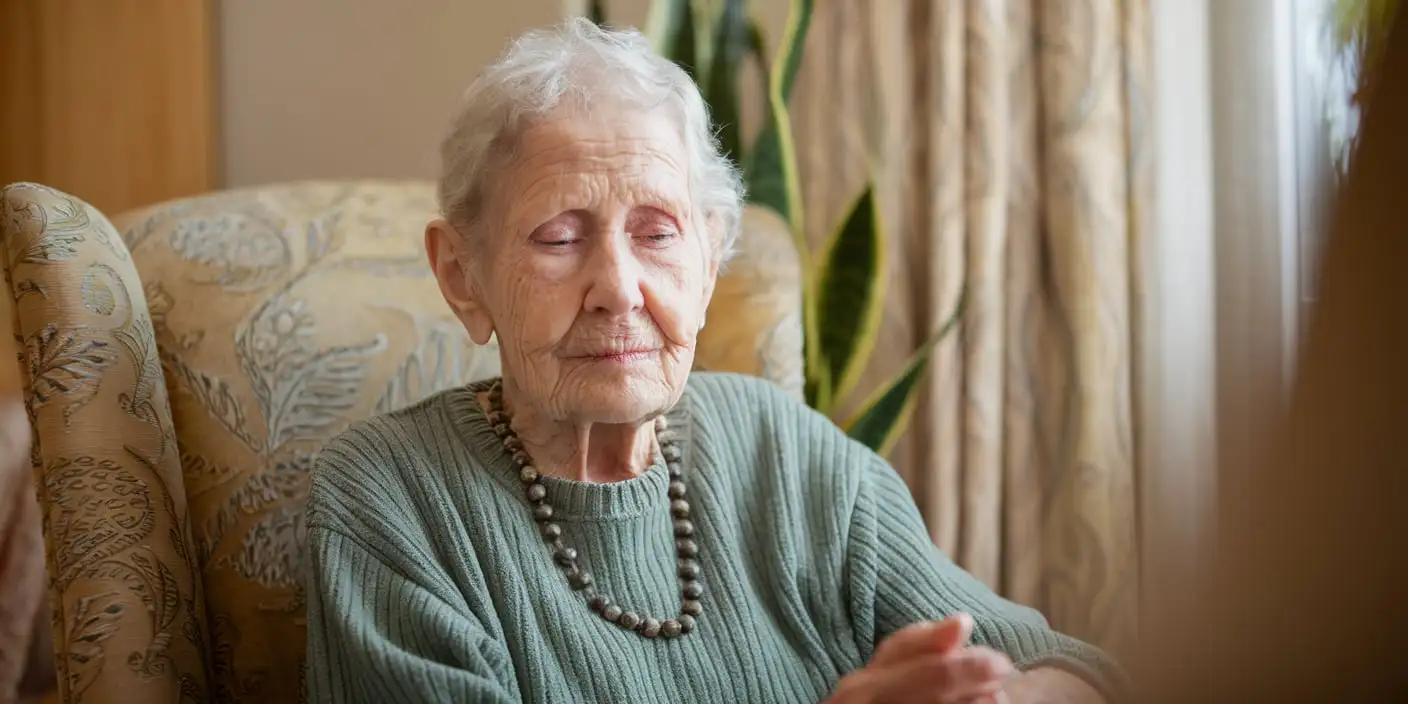
As a dental hygienist for a senior citizen-focused dental practice, I’ve witnessed firsthand how dementia progression can affect an elderly patient’s ability to maintain independent living.
One case that stands out for me is that of my patient, 77-year-old Mr. Silverman, a gentleman with mid-stage dementia who came in for his regular dental cleaning.
During Mr. Silverman’s appointment, I noticed significant cognitive decline compared to his previous visits.
He seemed confused about the dental procedures and had difficulty following simple instructions. He also couldn’t remember our last conversations from 6 months before, when he’d excitedly told me about his grandchildren’s visit.
These observations concerned me for his overall safety and well-being.
After the appointment, I approached his daughter (who’d brought him to the visit) to discuss what I had noticed. It’s never easy to have these conversations, but as healthcare professionals, we often see signs that family members might miss or hesitate to acknowledge.
This experience with the Silvermans reminded me of the importance of recognizing when it’s time for seniors with dementia to transition from solo living to a more supportive environment.
So, let’s take a look at some of the key signs that show it might be time to consider other living arrangements for your loved one with dementia.
Then, keep reading, as we’ll also go over how family caregivers can tackle this tough decision together.
Understanding the Risks
Recent data paints a concerning picture for seniors with dementia living alone:
- In 2022, there were 40,923 fatal fall injuries among adults 65 and older, averaging over 3,000 fatal falls per month.
- Older adults with dementia have twice the risk of falling and three times the risk of serious fall-related injuries compared to those without dementia.
- A study found that fall rates were significantly higher among people living with dementia (45.5%) compared to those without dementia (30.9%).
These numbers really drive home just how risky it can be for seniors with dementia to continue to live on their own after a certain point.
Clearly, for family caregivers concerned about whether their elderly parent can continue to live alone, recognizing the signs of decline is crucial.
Understanding Dementia And Its Progression
Dementia is a progressive condition that gradually impairs cognitive functions such as memory, judgment, and communication.
Initially, individuals might manage daily tasks with minimal assistance, but as dementia advances, living independently can become increasingly unsafe.
| Stage of Dementia | Common Symptoms | Living Situation |
|---|---|---|
| Early Stage | Mild forgetfulness, occasional confusion | Can live alone with support |
| Mid Stage | Increased memory loss, difficulty with daily tasks | Requires part-time assistance |
| Late Stage | Severe cognitive impairment, inability to perform basic tasks | Needs full-time care |
Recognizing The Signs: When Is It No Longer Safe?
Figuring out when it’s no longer safe for your loved one with dementia to live on their own isn’t always easy.
But there are some telltale signs you can watch for that show they might be struggling to manage day-to-day life by themselves.
These signs include:
Frequent Falls or Accidents
If you notice your loved one is falling more often or having accidents around the house, that’s a big warning sign.
Let’s face it, falls can be really serious for older folks. They might end up in the hospital or dealing with long-term health issues.
Keep your eyes peeled for mysterious bruises or if they seem hesitant to move around. These could be clues that they’re having trouble staying steady on their feet.
Difficulty with Daily Tasks
When basic activities of daily living become a struggle, it’s time to consider additional support.
Watch for:
- Neglected personal hygiene
- A messy or unhygienic home may reflect an inability to maintain a safe and organized space
- Difficulty preparing meals or they may be eating spoiled food
- Problems with medication management
If you notice these issues, it’s likely time to explore memory care, assisted living options, or in-home care services.
Cognitive Decline and Confusion
As dementia progresses, cognitive decline becomes more pronounced.
Be alert for:
- Getting lost in familiar places
- Forgetting to eat
- Forgetting to turn off appliances
- Difficulty recognizing family members or friends
- Problems with language and understanding
- Increased paranoia or agitation
Obviously these symptoms can put your loved one at significant risk and may necessitate round-the-clock supervision or memory care.
The Emotional Impact On Families
The decision to transition a loved one with dementia from living alone to receiving more structured care is often filled with emotion.
Families may struggle with feelings of guilt or sadness, but prioritizing the safety and well-being of the individual is essential.
Open communication and involving the person with dementia in the decision-making process, if possible, can help ease the transition.
Resources For Emotional Support
- Support Groups: Joining a support group can provide a sense of community and shared experiences.
- Counseling Services: Professional counseling can help families navigate the emotional challenges of caregiving.
- Online Forums: Engaging with online communities can offer advice and emotional support from others in similar situations.
Remember, the goal is to ensure your loved one’s safety and quality of life. Sometimes, the most loving decision is to transition to a more supportive living environment.
Exploring Care Options
Once it’s determined that living alone is no longer safe, families have several care options to consider:
- In-Home Care Services: Professional caregivers can provide assistance with daily tasks, allowing the person to remain in their familiar environment. If cost is a factor, moving in with family members may be the answer.
- Assisted Living Facilities: These facilities offer a supportive community and access to medical care, catering to the specific needs of dementia patients.
- Memory Care Units: These specialized facilities are designed to provide a safe, structured environment for individuals with dementia, with staff trained to handle their unique needs.
| Care Option | Benefits | Considerations |
|---|---|---|
| In-Home Care | Familiar environment, personalized care | May require modifications to the home |
| Assisted Living | Social interaction, medical support | Cost and availability |
| Memory Care Units | Specialized care, secure environment | May involve relocation stress |
The Importance of Early Planning
It’s crucial to start planning early. This is best done when the person is first diagnosed, even before signs of decline become apparent. This includes:
- Organizing personal affairs and end-of-life wishes
- Setting up power of attorney and healthcare directives (read more on whether a person with dementia can sign legal documents)
- Exploring financial planning options and benefits
Early planning can make the transition smoother and ensure your loved one’s wishes are respected.
Also keep in mind that involving the person with dementia in the decision-making, whenever possible, respects their autonomy and can provide valuable insights into their preferences and needs.
Final Thoughts
Recognizing when a senior with dementia can no longer live alone safely is a challenging but necessary step.
By staying vigilant for signs of decline, assessing risks, and planning ahead, you can ensure your loved one receives the care and support they need.