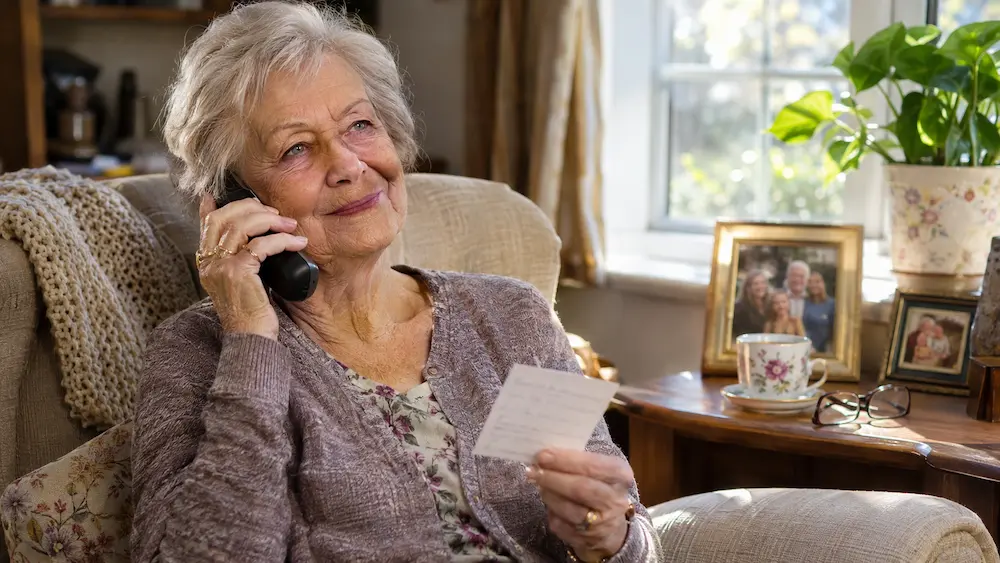
Maybe you have been telling yourself that this is just what getting older feels like. The knot in your stomach before a simple trip to the store. The worries that wake you at 3 a.m. and will not let you go back to sleep. The invitations you turn down because staying home feels safer.
I spent many years as an occupational therapist working with older adults in their homes. I met a great many people who lived this way. Almost none of them called it anxiety. They called it nerves, or stress, or “just my age.” I am writing this for you because I do not want you to settle for that answer.
Anxiety is common as you get older, but it is not a normal part of aging. It is a health condition that can be treated at any age, and you do not have to live with it. Getting help can improve your sleep, your physical health, and your ability to stay independent.
Common Is Not the Same as Normal
These two words get mixed up all the time. Arthritis is common in later life. So are cataracts. We do not shrug and say, “Well, that’s just old age.” We treat them.
Anxiety deserves the same respect. Cleveland Clinic says it plainly: anxiety and depression do not come built into aging, and no one is required to put up with them.
How common is it? One research review in the journal Gerontology, reported by UPMC, found that as many as 15 percent of older adults have an anxiety disorder that could be diagnosed. The true number is likely higher, because so many people never mention it.
So where is the line between everyday worry and anxiety? Everyday worry comes and goes and fits the situation. Anxiety stays most days, feels bigger than the situation calls for, and starts to change what you do.
What Anxiety Feels Like at This Stage of Life
Here is something most people do not know. Anxiety in later life rarely feels like “anxiety.” You may never think, “I am anxious.” You are more likely to think, “Something is wrong with my stomach,” or “I just can’t settle down.”
The Body Speaks First
In older adults, anxiety often shows up in the body before it shows up in words. You may notice:
- A racing or pounding heart
- An upset stomach or loss of appetite
- Tight muscles, headaches, or a shaky feeling
- Trouble falling asleep or staying asleep
- Feeling tired all day but unable to rest
Many people go from doctor to doctor for these symptoms. The tests come back fine, and nobody asks about worry.
The Shrinking World
This is the sign I learned to watch for most closely. You stop driving at night. Then you stop driving on the highway. You skip church because the crowd feels like too much. You avoid the stairs, the shower, or the walk to the mailbox.
Each choice seems sensible by itself. Added together, they make your world smaller and smaller.
“I’ve Always Been a Worrier”
Maybe worry has been with you your whole life, and you managed it. A busy job and a full house kept it in the background. Now the days are quieter, your health has changed, and the worry has more room to grow.
Lifelong worry that gets heavier in later life is still anxiety, and it is still treatable.
Why It Shows Up Now
Later life brings real reasons to worry. A fall. A health scare. The loss of a spouse or a close friend. Money that has to last. Living alone for the first time in decades.
I saw the effect of a single fall many times. A person who walked with confidence would start gripping the furniture and taking small, stiff steps. They stopped going outside.
The sad truth is that moving less makes your muscles weaker and your balance worse, which raises the risk of another fall. If this sounds familiar, I wrote a guide for people who are worried about falling and not being able to get help, and the Aging in Place Directory explains how fear of falling adds to your fall risk.
I want to be clear about one thing. Having a good reason to worry does not mean you have to live with constant worry. Your concerns can be real, and you can still get relief.
Why So Many of Us Stay Quiet
Many of us were raised to keep private things private. You did not complain. You toughed it out. Talking about your feelings was something other people did.
Under that habit, there are usually deeper fears:
- “I don’t want to be a burden to my children.”
- “People will think I’m weak.”
- “They will say I can’t live on my own anymore.”
- “They will think I’m losing my mind.”
So we reach for safer words. Geriatric psychiatrist Dr. Carmen Andreescu has noted that older patients often minimize their symptoms and say “stress” when they mean anxiety or worry.
I understand why. But the safe word has a cost. When you call it stress, your doctor hears something that will pass. You do not get checked, you do not get treated, and you go on feeling this way for years longer than you need to.
Accepting It Is Not Giving In
Think about the day you learned you had high blood pressure, or needed glasses. It was not a judgment of your character. It was information, and it led to something that helped.
Anxiety is the same. Accepting that you have anxiety does not mean you are weak or failing. It means you have named a health problem so that it can be treated.
Acceptance can be as plain as saying to yourself, “This is more than nerves. I have felt this way for a long time, and I would like to feel better.”
If you are not sure, ask yourself these three questions in private:
- Do I feel worried or on edge more days than not?
- Has this been going on for several months?
- Have I stopped doing things I used to do because of it?
If you answered yes to two or three, it is time to talk with someone.
What Getting Help Looks Like
You do not have to start with a specialist. Start with the doctor you already know and trust.
What to Say at the Appointment
It helps to have the words ready. You can say:
“I have been feeling worried and on edge most days for a while now. It is affecting my sleep, and I have stopped doing some things I used to enjoy. I would like to find out if this is anxiety.”
Write it on a card and read it aloud if that is easier. Doctors appreciate a clear statement.
Ruling Out Other Causes
A good doctor will check your body first. Thyroid problems, heart conditions, pain, and some medications can all cause anxious feelings. Bring a full list of everything you take, including over-the-counter pills and supplements.
Treatment Options
Treatment usually means talk therapy, medication, or both. There is no single answer that fits everyone. Dr. Andreescu points out that a mix of approaches may give older adults the most benefit.
Your doctor will help you find what suits you. If medication is suggested, ask about side effects such as dizziness, because some medicines can affect your balance.
Are you too old for therapy? No. Research shows that older adults benefit from therapy, and those benefits can last for many years.
Therapy today is practical. You learn skills for calming your body and handling worried thoughts. Many therapists offer visits by phone or video, and Medicare Part B helps pay for outpatient mental health care.
One more note. If you have chest pain or trouble breathing, call 911, because those can be signs of a heart problem. If you ever have thoughts of harming yourself, call or text 988 at any hour.
What You Gain When You Get Help
This is the part I most want you to hear. Getting help gives you things back.
- Sleep. When your mind quiets down, rest comes more easily, and everything is easier after a good night.
- Steadier health. Constant worry wears on your body. Easing it is good for your heart, your stomach, and your energy.
- Your world. You go back to the card game, the church pew, the grandchild’s recital.
- Your independence. Many people fear that speaking up will cost them their freedom. In my experience, the opposite is true. Untreated anxiety is what keeps people indoors and inactive. Treating it helps you stay strong, steady, and in your own home.
The gains can last. Researchers at Macquarie University followed adults 65 and older for a decade after therapy. They found that 58 percent of those who had the therapy were free of all their disorders ten years on, compared with 27 percent of the comparison group.
If you live alone and are not sure who to lean on while you take this step, my guide to building a support system when you have none can help. If you would like your family to understand what you are going through, you can share my article on the signs of anxiety in older adults with them.
It Is Not Too Late to Feel Better
You have handled hard things your whole life. You have raised families, buried people you loved, and started over more than once. Asking for help with anxiety is not out of character for someone that strong. It is one more sensible thing you do to take care of yourself.
Here is a small first step for this week. Call your doctor’s office and make an appointment. When they ask the reason, say, “I’d like to talk about feeling worried and not sleeping well.” That is all you need to say for now.
Anxiety may be common at our age, but you do not have to accept it as your normal. You can feel calmer, sleep better, and enjoy your days again. I have seen it happen many times, and it can happen for you.