When my mom-in-law started using a walker, I noticed something the doctors did not mention. She was steady in the morning, but by 4 p.m. she was bumping into door frames and grabbing furniture to steady herself. She had not gotten weaker overnight. She was tired.
That simple observation changed how I think about fall prevention. Most safety advice focuses on grab bars, lighting, and balance exercises, which all matter.
But there is a piece almost no one talks about: fatigue is one of the strongest predictors of falls in older adults, and it is often the easiest to fix.
This page pulls the research together in plain language and shows you how to redesign a home, a daily routine, and a calendar so that low energy never turns into a trip to the emergency room.
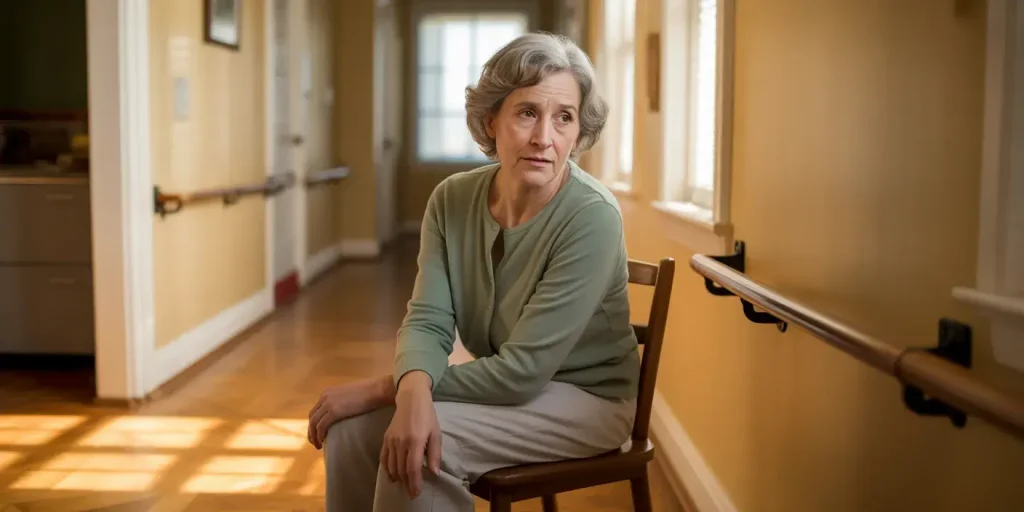
Quick Rundown: Fatigue and Fall Risk
- Fatigue is a direct fall risk factor. Tired older adults walk with shorter strides, more sway, and slower reaction times.
- It works two ways. Fatigue weakens lower-body muscles, and it also lowers “falls efficacy,” the confidence that keeps balance steady.
- Most fatigue is treatable. Sleep apnea, anemia, thyroid issues, dehydration, and medication side effects are the usual suspects.
- Home design can save energy. Seated work zones, lighter tools, and short pathways protect the energy you need for safe movement.
- Pacing beats pushing. The “6 P’s” of energy conservation help seniors do more by doing less at any one moment.
Why Fatigue Belongs in Every Fall Prevention Plan
The CDC reports that about one in four adults age 65 and older falls each year, and falls are the leading cause of injury death in this age group (CDC). Most prevention guides list the usual suspects: poor vision, medication side effects, home hazards, weak legs, and balance problems.
Fatigue is rarely on that list. It should be.
A study in Archives of Gerontology and Geriatrics found that self-reported fatigue is a significant independent risk factor for falls in older women and men, even after controlling for other health issues (ScienceDirect).
Another large analysis used the Pittsburgh Fatigability Scale and found that older adults who scored high on perceived fatigue were more than twice as likely to die within roughly three years, often because of falls and the chain of complications that follow (UPMC Physician Resources).
Researchers in Frontiers in Public Health went further and mapped exactly how fatigue causes falls. They found two main pathways: fatigue weakens lower-limb function, and it lowers “falls efficacy,” which is the confidence a person has in their own balance. Lose either one and the risk climbs (Frontiers in Public Health).
Think of energy like a fuel tank. When the tank is full, the body has the reserves to catch itself, plant a foot, or steady a step. When the tank is low, that margin disappears.
What Happens to the Body When Energy Runs Low
You can feel the difference, even if you cannot always put it into words. Researchers can measure it.
- Shorter stride length and slower walking speed. A systematic review in the Journal of Geriatric Physical Therapy found that muscle fatigue noticeably shortens stride and disrupts the rhythm of walking, especially in seniors who already have mobility limits (ReachMD).
- More postural sway. A controlled study on a treadmill found that even a moderate incline walk significantly raised fall risk in adults 70 to 79, while it did not in younger people (Old Dominion University).
- Less gait stability. A study published in PubMed showed that older adults walk with less local stability when fatigued, while younger, fit adults actually become more stable after exercise (PubMed).
- Cognitive slips, too. Mental fatigue, not just physical fatigue, increases gait variability and postural sway. The brain handles walking and balance as cognitive tasks, so a tired brain stumbles too (Clarkson University review).
The takeaway is simple. Fatigue is not just “feeling tired.” It changes the mechanics of every single step.
Common Causes of Senior Fatigue (And Why a Doctor Visit Matters)
Before you redesign a home, find out why the fatigue is happening. Many causes are treatable, and treating them can drop fall risk faster than any grab bar.
According to the National Institute on Aging and Cleveland Clinic, the most common reversible culprits in older adults are:
- Sleep apnea. Roughly 56% of adults age 65 and older are at high risk for obstructive sleep apnea, and it is heavily under-diagnosed. CPAP treatment has been linked to reduced fall risk markers (NCOA).
- Anemia. Affects about 10% of adults over 65, and fatigue is often the first sign (Cleveland Clinic).
- Thyroid issues. Both underactive and overactive thyroid cause fatigue, and hypothyroidism becomes more common after 60.
- Medication side effects. Blood pressure drugs, antihistamines, statins, opioids, and antidepressants are common offenders. Polypharmacy multiplies the risk (Blue Moon Senior Counseling).
- Dehydration. Thirst signals dull with age, so many seniors are mildly dehydrated without realizing it.
- Chronic conditions. Heart failure, diabetes, COPD, arthritis, and Parkinson’s disease all sap energy (Mayo Clinic).
- Urinary tract infections. In seniors, a UTI often shows up as sudden fatigue, confusion, or behavior changes rather than the usual symptoms.
- Depression and anxiety. Among the most overlooked fatigue causes in older adults.
Action step: If a senior is suddenly tired, falling more often, or both, book a full physical with bloodwork, a thyroid panel, a medication review, and screening questions about sleep. This single visit can change everything.
Home Modifications That Save Energy and Prevent Falls
Standard fall-prevention modifications protect against trips and slips. Fatigue-aware modifications also protect the energy reserve that keeps balance sharp.
The best plans do both at the same time. Many of these ideas overlap with our room-by-room home modifications for fall prevention guide and the home fall prevention guide for seniors.
The Bathroom: Sit Whenever Possible
The bathroom is the highest-risk room for falls, and it is also where most seniors waste energy by standing too long. Occupational therapists recommend completing as much of bathing as possible while seated, because sitting requires far less energy than standing (Wayne State University OT handout).
- Add a sturdy shower bench or transfer bench, plus a handheld showerhead.
- Install a shower caddy at seated height so reaching is not needed.
- Use grab bars near the toilet and in the shower, never towel racks.
- Lower the water temperature a few degrees, since heat worsens fatigue.
- Dry off and dress while seated on a stable bench in the bathroom or bedroom.
The Kitchen: Bring the Work to the Seat
Most kitchens are designed for someone who can stand for 30 minutes at a time. Fatigue-friendly kitchens flip that assumption.
- Add a tall stool or perching chair at the counter for prep work.
- Move daily-use items to waist-to-shoulder height to avoid bending and reaching.
- Use lighter pans and small appliances (toaster oven, electric kettle, mini food processor).
- Keep a wheeled cart to move dishes, groceries, and laundry rather than carrying.
- Plan batch cooking on high-energy days so low-energy days only need reheating.
Bedroom and Sleep Setup
Sleep is the single biggest energy lever. A bedroom that supports deep rest is a fall-prevention tool.
- Adjustable bed frames make getting in and out easier and safer.
- Block light with blackout curtains and keep the room cool.
- Place a lamp, phone, water, and glasses within arm’s reach so a tired senior never has to grope in the dark.
- Add motion-activated nightlights along the path to the bathroom.
- Pair the bedroom with a medical alert with fall detection in case a nighttime fall happens anyway. Our guide to medical alert devices for seniors walks through the options, and the article on Life Alert and whether it is worth the cost compares features side by side.
Pathways, Stairs, and Entrances
Long walking distances drain energy. Short, well-lit, obstacle-free paths conserve it.
- Declutter pathways so the senior is not navigating around furniture.
- Place resting chairs every 15 to 20 feet in long hallways or open layouts.
- Install dual handrails on stairs and consider a stair lift if stairs are a daily fatigue source.
- Use bright, even lighting with no glare; aim for 2 to 3 times the lighting most adults find comfortable.
- For more detail, see the room-by-room guide above and our overview of why older adults fall and how to prevent it.
The 6 P’s of Energy Conservation
Occupational therapists have used the 6 P’s for decades with patients managing fatigue from heart disease, COPD, arthritis, and cancer.
The same framework works beautifully for healthy seniors who simply have less endurance than they used to (Wayne State OT handout, MyOTSpot).
- Prioritize. Pick the two or three things that must happen today. Let the rest wait.
- Plan. Schedule demanding tasks for the time of day energy is highest (usually morning).
- Position. Sit during tasks whenever possible. Bring tools to you, not the other way around.
- Pace. Build in short rest breaks before you feel tired, not after.
- Positive attitude. Focus on what was done, not what was left undone. This protects falls efficacy, that confidence factor research shows is so important.
- Pursed-lip breathing. Inhale through the nose, exhale slowly through pursed lips. It steadies oxygen levels during effort.
A simple rule of thumb: finish each task with about 20% of energy still in the tank. That reserve is what keeps a stumble from becoming a fall.
A Sample Energy-Smart Day
Here is what a fatigue-aware day might look like for an older adult who lives at home. Adjust to taste.
- 7:00 a.m. Wake at the same time daily. A glass of water before coffee.
- 7:30 a.m. Light breakfast and meds. Sit during morning hygiene.
- 9:00 a.m. Highest-energy task: physical therapy exercises, a short walk, or one important errand.
- 10:30 a.m. Seated rest with a snack and water. No screens.
- 12:00 p.m. Lunch prepared the day before. Eat seated, hydrate again.
- 1:00 p.m. Optional 20- to 30-minute rest. Avoid naps longer than 30 minutes (National Institute on Aging).
- 2:00 p.m. Light cognitive activity: reading, puzzles, a phone call.
- 4:00 p.m. This is the danger zone for many seniors. Plan a seated activity here, not stairs, not a shower, not cooking.
- 6:00 p.m. Simple dinner. Sit while preparing.
- 8:30 p.m. Wind-down routine: dim lights, no caffeine, warm shower if energy allows.
- 10:00 p.m. Bed at the same time each night.
Exercise That Builds Energy Instead of Draining It
This sounds backwards. If someone is tired, why add exercise? Because regular, gentle movement is one of the few interventions that reduces fatigue and improves balance at the same time.
A large research analysis found that balance and functional exercises cut falls by 24%, and tai chi cuts fall risk by about 20% (Tufts University School of Medicine). Resistance training has also been shown to reduce gait decline caused by muscle fatigue (ReachMD).
What to focus on:
- Sit-to-stand drills. A short set of 5 to 10 controlled rises from a sturdy chair builds the exact muscles used to catch a stumble.
- Tai chi or chair yoga. Both improve balance and breathing without exhausting the body.
- Heel raises and one-leg stands. Try a few while brushing teeth.
- Short walks broken into pieces. Three 10-minute walks beat one 30-minute walk for many fatigued seniors.
Always check with a doctor before starting, especially after a recent fall or hospital stay.
Warning Signs That Fatigue Is Becoming Dangerous
Call the doctor when you notice:
- A sudden increase in tiredness that lasts more than two weeks.
- More than one stumble, near-fall, or fall in a month.
- Daytime sleepiness even after seven or more hours in bed.
- Loud snoring or gasping during sleep (possible sleep apnea).
- Fatigue paired with confusion, low appetite, or behavior changes (possible UTI or medication issue).
- Dizziness when standing up, which can point to blood pressure or medication problems.
Putting It All Together
Fall prevention has long focused on the floor under your feet. The research is now clear that what happens above the ankles, in the muscles, in the lungs, in the brain, in the energy reserve, matters just as much.
If you take only three things from this page, take these:
- Treat fatigue like a vital sign. Track it. Talk about it with the doctor.
- Redesign the home to save energy, not just to remove tripping hazards.
- Pace the day so the tank never runs empty when stairs, showers, or stoves are still ahead.
When my mother and I built her day around her energy instead of around her schedule, her near-falls dropped sharply. She also smiled more, which mattered just as much.
Free Printable: The Fatigue and Fall Risk Home Checklist
Use the downloadable Fatigue and Fall Risk Home Checklist to walk through the home one room at a time. It pairs each common hazard with an energy-saving fix, so you address both at once.
Frequently Asked Questions
Is fatigue really a fall risk, or is it just a symptom of getting older?
Fatigue is an independent fall risk factor in study after study, and it is often treatable. Sleep apnea, anemia, thyroid issues, dehydration, and medication side effects are the most common reversible causes (Frontiers in Public Health, Cleveland Clinic).
What time of day are tired seniors most likely to fall?
Late afternoon and early evening, when energy is lowest and lighting starts to fade. Plan demanding tasks like showers and stairs for the morning.
Can a medical alert system help if a fatigue-related fall happens?
Yes. A device with automatic fall detection can summon help even if the senior is too dazed to press a button. See our review of medical alert devices for seniors.
What is the single best home change for fatigue and fall risk?
A sturdy shower bench plus a handheld showerhead. It cuts the most fatiguing daily task in half and removes the highest-risk fall scenario at the same time.
Is napping bad for seniors?
A short nap under 30 minutes is fine. Longer naps, especially late in the day, hurt nighttime sleep and can worsen fatigue (National Institute on Aging).