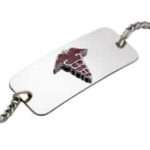
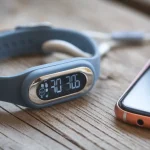
If your loved one has dementia and tends to wander, a reunite tag can mean the difference between panic and relief. Reunite tags for dementia combine simple ID technology with real-time alerts so families and responders can find a missing person fast and safely.
According to the Alzheimer’s Association, 6 in 10 people with dementia will wander at least once, often within a mile of home. Early preparation is the best protection.
Quick Rundown:
- Identifies Quickly: QR or NFC tags provide instant information to anyone who finds your loved one.
- Alerts Caregivers: Scans trigger texts or emails within seconds, notifying family or responders.
- Works Without Wi-Fi: RF and GPS tags can function even in low-signal areas.
- Prevents Long Searches: Police and registries use stored data to locate seniors faster.
- Maintains Dignity: Stylish bracelets or keychains avoid a “medical” appearance.
Let’s explore how reunite tags truly work, what options exist, and how to build a system that keeps your loved one safe while preserving independence.

What Is a Reunite Tag for Dementia?
A reunite tag is a smart identification and tracking device that helps caregivers quickly locate and reunite with someone who has wandered.
These small devices, often wristbands, pendants, or key tags, use different types of technology to keep your loved one safe.
- QR codes and NFC chips can be scanned with a smartphone to show your loved one’s emergency contacts and medical information.
- GPS trackers send live location updates to your phone so you can see where they are in real time.
- Radio-frequency (RF) devices connect directly with local responders, helping police or search teams locate someone even if there’s no cell service.
Pairing a reunite tag with other wandering prevention tools creates an even stronger safety network.
❓How do I know if my loved one is ready to start wearing a reunite tag?
💬 If your loved one has started forgetting familiar places, wandering at night, or getting lost during daily routines, it’s time to consider a reunite tag. Early introduction, while they can still understand its purpose, makes it easier for them to accept and consistently wear it.
Why Do People With Dementia Wander?
People with dementia may wander because of confusion, restlessness, or a search for familiar surroundings.
I’ve seen families struggle when a parent simply wanted to “go home,” even though they were already there.
This type of behavior often appears at night, (may be due to Sundowning) which is why pairing a tag with bedtime safety strategies can reduce risk while improving comfort.
What Types of Reunite Tags Are Available?
You can choose from passive ID tags, active trackers, or responder-linked programs depending on your needs.
Products for each of these mentioned below:
Passive ID tags (like QR or NFC bracelets) don’t track movement but can be scanned by anyone who finds your loved one to access contact and medical information.
Active trackers (such as GPS watches or RF bracelets) send live location updates or alerts if your loved one wanders outside a safe area.
Responder-linked programs connect these devices directly with emergency services or police registries, ensuring a coordinated response if your loved one goes missing.
- QR/NFC Tags: Simple to scan, providing quick access to health details and contact info.
- GPS Smartwatches: Offer live tracking, geofencing, and instant alerts. (See also GPS shoes for dementia for discreet options.)
- RF Bracelets: Work well in rural areas and through walls or dense environments.
- Responder-Linked Programs: Such as Project Lifesaver or MedicAlert + Safe Return, which connect directly to police databases.
RF Bracelets
- SecuLife GPS Tracker Bracelet for Seniors: A GPS-enabled wristband with SOS call button, real-time location tracking, strong for active tracking but may rely on cell service.
- Theora Care GPS Tracker Watch for Alzheimer’s Seniors: Premium dementia-focused watch with GPS, fall detection, caregiver alert system, higher cost, full feature.
- BuddyBand Wearable Tracker for Dementia & Special Needs: More affordable wearable tracker, good for special-needs and dementia with geofence features.
- Oba Security Rescue GPS Bracelet Elderly SOS: Waterproof SOS bracelet with GPS and possibly RF fallback; more rugged design for outdoor/rural settings.
- RF‑433 MHz Panic SOS Bracelet Radio Frequency: A bracelet explicitly labeled RF (433 MHz), suits the “radio-frequency (RF) bracelet” category especially for low-signal/rural environments.
Combining these devices with caregiver-friendly dementia tools gives you a holistic safety plan.
❓Can reunite tags work when traveling or in another country?
💬 Yes, most GPS and QR-based reunite tags work internationally, as long as there’s cellular or internet access for tracking. If you’re traveling, update your contact numbers and emergency info in the online profile and verify coverage with the device provider before departure.
Passive ID Tags:
- MedicAlert QR Code Embossed Medical ID Bracelet: A durable stainless steel bracelet with an embedded QR code linking to your medical profile. Waterproof and available in multiple wrist sizes.
- MedicAlert Silicone QR Code Medical ID Band: A more affordable silicone band version of the QR-code ID protection. Latex-free, waterproof, good for everyday wear.
- Divoti Custom Engraved Alzheimer’s Dementia Medical ID Bracelet: Stainless steel, engraved for Alzheimer’s/dementia use, tamper-resistant clasp and text customization, very dementia-care focused.
- American Medical ID Eternity Medical ID Bracelet: A stylish premium ID bracelet option. While not explicitly QR/NFC in the basic model, the vendor strongly supports dementia ID use and high-quality materials.
- Contact Co Smart Emergency ID Band (NFC/QR): A tech-smart wristband that supports NFC + QR scanning. Good for caregivers who want modern features and smartphone integration.
GPS Smartwatches
- Apple Watch Ultra 3: Top-end watch with strong GPS features, rugged build, water resistance, great for high reliability, though higher cost.
- Apple Watch Series 10 GPS: Flagship Apple model with improved battery and GPS, suitable for caregivers familiar with iOS ecosystems.
- Samsung Galaxy Watch8: Strong non-Apple option, GPS and tracking features, good if your loved one uses Android.
- Apple Watch SE: More budget-friendly Apple watch with many tracking features, though fewer premium features.
- Theora Care GPS Tracker Watch: Specialized for seniors with dementia, marketed with fall detection and GPS tracking tied to elder-care scenarios.
- 4G Senior GPS Tracker Watch: Affordable 4G tracker watch designed for seniors, includes GPS + SOS button + geofencing.
- SOS Smartwatch with GPS Tracker: Entry-level GPS smartwatch offering tracking and alerts, a good secondary option.
- Senior Smart Watch with GPS Service Plan: A GPS watch bundled with a service plan for monitoring, useful when you want caregiver alerts and subscription support.
Which Reunite Tag Works Best for Your Situation?
The right choice depends on environment, comfort, and how likely your loved one is to remove it.
Match by Dementia Stage
| Dementia Stage | Recommended Device | Why It Works |
|---|---|---|
| Early Stage | QR/NFC ID tag + phone app | Lightweight, non-invasive, easy for self-use |
| Middle Stage | GPS watch or tamper-proof bracelet | Live location, geofence alerts, comfort fit |
| Late Stage | RF bracelet + registry program | Doesn’t rely on phone signal or charging |
When a patient of mine began wandering outside, we started with a QR wristband. Later, a GPS watch added another safety layer. That combination provided both reassurance and freedom.
How to Keep Your Loved One From Removing the Device
Make the device blend naturally with their personal style and comfort level.
Choose locking straps, silicone comfort bands, or stylish watch designs that don’t look medical.
If your loved one resists, consider sensory comfort options, sometimes pairing devices with calming activities like therapy dolls for dementia helps reduce agitation and increase cooperation.
❓What if my loved one refuses to wear a tracking device?
💬 Start with empathy, not enforcement. Involve them in choosing the style or color, frame it as a safety bracelet instead of a tracker, and introduce it gradually. If resistance continues, consider discreet options like GPS shoes or ID keychains.
How Do Reunite Tags Work in Indoor or Low-Signal Areas?
Indoor or rural settings can interfere with GPS signals, so plan accordingly.
GPS accuracy drops inside buildings or in wooded areas, while RF bracelets (used in Project Lifesaver) can be tracked by trained responders with handheld receivers.
Some newer tags now combine Bluetooth Low Energy (BLE) for indoor use and GPS for outdoor tracking, an innovation improving reliability in 2025.
How Do You Set Up a Reunite Tag System That Works?
A reliable system includes setup, registration, and routine testing.
Step-by-step:
- Register with a responder-integrated program like Project Lifesaver or MedicAlert + Safe Return.
- Create a profile with updated photos, routines, and medications.
- Secure the tag so it stays comfortable yet tamper-resistant.
- Set alerts for texts or emails when the tag is scanned or leaves a geofence.
- Test monthly to confirm the system is still active.
If you’re already using assistive tools such as smart home voice devices, link them with these systems to add real-time voice reminders or alerts.
Are Reunite Tags Safe, Private, and Ethical?
Yes, when used transparently, they protect both dignity and safety.
Ethical and Legal Considerations:
- Always seek consent when possible, even in mild stages of dementia.
- Avoid detailed explanations and say something like: “Let’s put your bracelet on before we head out,” or “This is your favorite band, remember? It looks nice with your watch.”
- Review privacy settings to control what’s publicly visible.
- Check local laws on personal tracking and data storage.
- Document consent under power of attorney if your loved one cannot decide.
In one study from Science and Engineering Ethics (2024), researchers stressed that ethical tracking requires empathy and oversight, not hidden surveillance.
Many tags let you hide personal data while still allowing contact via a phone number or emergency profile. Families often complement this with door safety locks for dementia to prevent nighttime exits without removing freedom.
❓Do reunite tags store sensitive health or location data permanently?
💬 Most modern reunite systems only store essential contact and safety details. Location data is temporary and auto-deleted after a set period, usually 24–48 hours. Always choose reputable providers with encryption and clear privacy policies to protect your loved one’s information.
What Should You Do If the Device Fails?
Have a secondary safety plan ready.
Keep recent photos, medical notes, and emergency contacts accessible for responders. Register these details with your local police or in digital caregiver systems.
For extra protection, explore aromatherapy calming options or essential oils that support memory and relaxation to help minimize restlessness that leads to wandering.
Community Success Story: The West Yorkshire ReUnite Program
Real-world programs show how these systems save lives.
In 2024, West Yorkshire Police launched a “ReUnite” wristband project that used NFC tags linked to a secure registry. Over 150 families enrolled in the first year, and officers reported a 60 percent faster recovery rate for missing dementia patients.
This model inspired similar programs in several U.S. counties.
What Do Caregivers Say About Reunite Tags?
Caregivers report that layered systems provide real security and peace of mind.
One family shared that a passerby scanned their father’s QR tag, alerting them within minutes. Another said their RF bracelet helped officers locate their mother during a storm.
For additional emotional comfort, some caregivers pair technology with robotic companion pets or therapy dolls to ease anxiety and prevent restlessness that can trigger wandering.
❓Can reunite tags connect to smart home systems for extra safety?
💬 Yes, many caregivers pair their tracking devices with Alexa voice alerts and reminders or smart home hubs. This setup can announce when doors open, remind your loved one to wear the bracelet, and send you real-time alerts if they leave home unexpectedly.
How Much Do Reunite Tags Cost?
Prices vary by type and service.
| Device Type | Typical Cost | Subscription | Notes |
|---|---|---|---|
| QR / NFC Tag | $25–$50 | None | No battery, lifetime use |
| GPS Watch | $150–$300 | $8–$15 / month | Requires charging |
| RF Bracelet | $250–$400 | Often subsidized | Works in low signal |
| Registry Program | ~$60 / year | Included | Supports police alerts |
Responder programs like Project Lifesaver or MedicAlert + Safe Return often cost about $60 per year and may be subsidized through local agencies. Balancing cost with reliability ensures your system doesn’t fail when you need it most.
How Can You Maintain Dignity While Using Tracking Devices?
Be open, compassionate, and inclusive in the conversation.
Use language that reinforces trust: “This will help me find you if you need help.” Combining reunite tags with comfort tools such as understanding doll therapy techniques helps preserve emotional security while keeping your loved one safe.
What’s the Best Routine to Keep the System Reliable?
Routine checks prevent problems before they happen.
- Inspect fit and comfort weekly.
- Recharge or replace batteries monthly.
- Re-test notifications every 90 days.
- Update caregiver contact details anytime they change.
- Keep emergency paperwork near entry points for first responders.
Simple consistency turns these tools into dependable lifelines rather than forgotten gadgets.
Future Technology Trends in Dementia Tracking
Emerging technologies are making reunite systems smarter.
Developers are testing AI-powered pattern recognition that alerts caregivers if movement becomes unusual, and vehicle-based detection networks that read BLE or RFID tags from passing cars.
While still in pilot stages, these advances may soon provide faster location results without needing a smartphone nearby.
Final Thoughts: Why Reunite Tags for Dementia Are Worth It
Reunite tags are small tools that make a life-changing difference.
Every family fears that one phone call saying, “We can’t find them.” These systems replace that fear with preparedness. Combine your reunite tag with hydration aids like Jelly Drops or gentle engagement tools like the best dementia dolls to create a full circle of safety, comfort, and dignity.
Start today, register your loved one, apply a tag, and test your system. A few minutes of setup can mean the difference between hours of searching and one quick phone call that says, “They’re safe, and they’re coming home.”